 /
/ 




















Receive our latest arrivals of 1989 Wine by email!
Sign up and be the first to know about new arrivals.

Would you like to create your own composition? Contact us!
 Contact us

The 1989 vintage ranks among the century's great warm, sunny years in Bordeaux. A hot, dry summer brought the grapes to exceptional ripeness and prompted a very early harvest, producing full, generous wines with supple tannins. The year's hierarchy is clear: the Right Bank leads the way, with Pomerol at the forefront thanks to Petrus, followed by the best Saint-Émilion wines, while the Graves wines of Pessac-Léognan reach great heights around Haut-Brion. The Médoc produced rich, fleshy wines, with results varying more from plot to plot. Alongside the reds, the sweet wines of Sauternes and Barsac enjoyed a great year, helped by high-quality botrytis, or ‘noble rot’. To place 1989 among the great vintages and choose the right bottle, consult our Vintage Guide.
Read moreFiltrer
Products (48)
Sign up and be the first to know about new arrivals.
Yes, 1989 was an outstanding, sun-drenched vintage, particularly successful on the Right Bank and in Graves. The hot, dry summer brought Merlot to exceptional ripeness, producing rich, full-bodied wines with ripe tannins. Pomerol and the best Saint-Émilion wines lead the field, followed by Graves and a more uneven but generous Médoc. Estates such as Château Haut-Bailly in Pessac-Léognan show just how successful the year was. Most of these wines are now at their best.
Absolutely. A 1989 wine makes a lovely gift to mark a birth year or an event from that year. The great red wines of Bordeaux and sweet wines of Sauternes, now mature, are particularly well suited to a special-occasion tasting. For a gift you can give with confidence, choose a bottle with an excellent fill level and a presentable label. A 1989 bottle combines the emotion of the vintage with the pleasure of a wine ready to drink.
For both quality and ageing potential, look to the classified growths of Bordeaux from the Right Bank and Graves, which are at the heart of the vintage. The sweet wines of Sauternes and Barsac offer remarkable drinking pleasure and reassuring longevity. Among age-worthy reds, the great Syrah wines of the Northern Rhône are an ideal addition to a selection. Finally, Alsace late-harvest wines offer a less obvious but very reliable choice among the year's sweet wines.
1989 is one of the great warm, sunny years of the late 20th century. A hot summer and marked drought brought the grapes to unusual ripeness and led to some of the earliest harvests of the era. Richness defines the vintage: full, generous wines whose balance favours fleshiness over austerity. The most striking successes came on Bordeaux's Right Bank and in Graves, extending to the sweet wines of Sauternes, an opulent Champagne vintage and excellent wines from the northern Rhône, and culminating, more quietly, in Alsace's late-harvest wines. It is a vintage to choose both for the immediate pleasure of its mature reds and for the ageing potential of its finest bottles.
In Bordeaux, 1989 was above all Merlot's year. Heat and drought brought the grape to exceptional ripeness, with alcohol levels high for the time and ripe, supple tannins. Pomerol was the first to benefit: it is the vintage's leading appellation, closely followed by the best Saint-Émilion wines. The Graves wines of Pessac-Léognan also reach great heights, led by reds with remarkable length. In the Médoc, the picture is more mixed: the wines are rich and fleshy, but some estates harvested their Cabernet a little early, and it is the finest terroirs that produced the most profound bottles.
On the Right Bank, the great Pomerol wines set the standard for the year, while in Saint-Julien Château Gruaud Larose delivers a dense, flavoursome wine typical of 1989's full-bodied style. In Saint-Estèphe, Château Montrose ranks among the Left Bank's finest successes, showing rare precision for the vintage. Lovers of Graves will find deep, distinguished reds around Haut-Brion and Haut-Bailly that do Pessac-Léognan proud.
Ageing potential: most of the great 1989 reds are now at their peak and a pleasure to drink; well-stored bottles from the best terroirs of the Right Bank and Graves can wait longer. Check the fill level and the condition of the cork before buying.
1989 was a great year for the sweet wines of the Sauternes region, the third part of a trilogy with 1988 and 1990. A hot summer followed by a favourable autumn allowed botrytis to develop and concentrate the grapes. The result is rich, opulent Sauternes and Barsac, with generous sweetness and just enough acidity to keep them balanced. Their style is one of power and candied fruit rather than tautness: wines for immediate enjoyment as well as ageing.
In Barsac, Château Doisy-Védrines illustrates the vintage's aromatic finesse, with its signature notes of apricot, honey and candied citrus. The leading names in Sauternes produced dense, distinguished wines worthy of their reputations in a warm, sunny year like this. These sweet wines are a pleasure to drink today and will keep with ease.
Ageing potential: ready to drink, the 1989 sweet wines will keep for many more years in the cellar; a sound cork and a good fill level are enough to indicate bottles in fine condition.
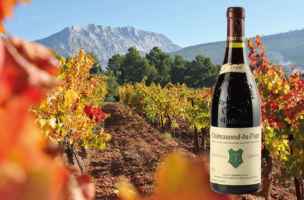
In the Rhône Valley, 1989 was most successful in the north. The year's warmth produced ripe, structured Syrah in Hermitage, Côte-Rôtie and Cornas, yielding deep wines with firm tannins and aromas of black olive, pepper and dark fruit. In the south, the Châteauneuf-du-Pape wines are generous and sun-ripened, befitting a fine vintage, though not always as consistent as those from the north.
In Hermitage, Chapoutier's La Sizeranne cuvée captures the depth and vitality of Syrah in this warm vintage. The greatest northern reds have aged well and, among the best cuvées, still have real potential to develop; in the south, the most concentrated Châteauneuf wines rank among the year's finest.
Ageing potential: the great northern Rhône reds are in a fine drinking window and can still be cellared; favour bottles with an excellent fill level.
In Champagne, 1989 enjoyed a warm, sunny summer that ripened the grapes with ease. Widely declared as a vintage by the houses, it has a rounded, generous profile, more sun-ripened than taut. The third part of the 1988–1990 trilogy, it has evolved faster than its neighbours and is now fully mature.
The year's cuvées charm with aromas of ripe fruit, brioche and dried fruit, carried by a mellow mousse. Pommery and other leading houses produced Champagnes made for the table, ready to open for a special occasion.
Ageing potential: drink now. These vintage Champagnes are at their peak; choose well-stored bottles, ideally kept away from light.
Often overlooked in vintage guides, Alsace deserves special attention in 1989. Recognised as a great year by the region's wine trade body, its success owes much to a fine late season and exceptionally high-quality noble rot. Conditions were ideal for late-harvest wines and Sélections de Grains Nobles — Alsace wines made from overripe, sometimes botrytised grapes, carefully crafted to concentrate sweetness and aromas.
The result combines power, luscious sweetness and the Alsatian acidity that keeps everything fresh and taut. It offers an accessible, reliable introduction to great medium-sweet and sweet wines, with considerable rarity, as these cuvées are produced only in the best years. Late-harvest Gewurztraminer and Pinot Gris are the most sought-after expressions.
Ageing potential: the great 1989 sweet wines of Alsace are ready to drink now and age remarkably well; the more concentrated Sélections de Grains Nobles have the greatest staying power.
Choosing a 1989 wine means looking first to the great reds of Bordeaux's Right Bank and Graves, now in a fine drinking window, without overlooking the sweet wines of Sauternes and Barsac, the year's generous Champagnes, northern Rhône Syrah and rare Alsace late-harvest wines. It is a vintage that combines immediate pleasure with ageing potential in its finest bottles. To compare 1989 with neighbouring years and find the right bottle, consult SoDivin's Vintage Guide.