 /
/ 





















Receive our latest arrivals of 2021 Wine by email!
Sign up and be the first to know about new arrivals.

Would you like to create your own composition? Contact us!
 Contact us

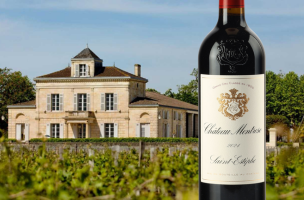
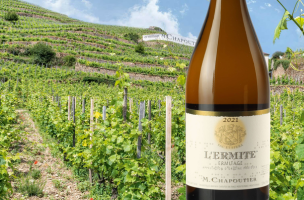
After three sun-drenched summers, the 2021 vintage brings a cool, demanding year to France: severe spring frost followed by a wet growing season reduced yields and alcohol levels. The vintage is defined above all by its whites, which lead the way: taut Alsace Rieslings, unusually energetic Hermitage whites, and Bordeaux dry whites and sweet wines of great purity. Among reds, the successes come from terroirs able to preserve freshness, yielding elegant, easy-drinking, fragrant wines. On Bordeaux's Left Bank, Château Montrose confirms Saint-Estèphe's high standards in a classic, refined style; in the northern Rhône, M. Chapoutier's great Hermitage wines take the year's whites to their peak. To see how 2021 compares with recent vintages, keep the SoDivin Vintage Guide close at hand.
Read moreFiltrer
Products (24)
Sign up and be the first to know about new arrivals.
2021 is a year of contrasts, best judged by wine style rather than as a whole. The whites — Alsace Rieslings, Northern Rhône whites, and dry and sweet whites from Bordeaux — are among the most successful of the decade, with vibrant acidity and great purity. The reds, lower in alcohol and more classical in style, appeal for their freshness and can be enjoyed sooner than those from warmer years. Spring frost sharply reduced yields, so the best bottles are scarce and sought after by wine lovers. A Saint-Estèphe wine such as Château Calon Ségur is a fine example of this fresh, precise style.
A 2021 wine makes an especially personal gift when it marks a birth, wedding or other significant event. To celebrate a birth, age-worthy 2021 whites — Alsace Rieslings or Hermitage whites — will keep for many years, until the child reaches adulthood. The great reds of the Médoc offer similar ageing potential in a more structured style. You can browse all our bottles by birth year to put together a personalised gift.
The rule for 2021 is simple: the whites are already a pleasure to drink but can also age, while the finest reds deserve a few more years in the cellar. Alsace Rieslings and Northern Rhône whites offer both immediate enjoyment and the potential to age for ten years or more. Elegant reds from the Languedoc and Southern Rhône can be enjoyed for their fruit right now. The structured wines of the Médoc will benefit from more time: among the Bordeaux Classified Growths, the 2021 Saint-Estèphe and Saint-Julien wines will come fully into their own in five to ten years.
The 2021 vintage marks a clear break from the hot summers that preceded it. An April frost, one of the most severe in decades, followed by a cool, wet growing season, reduced yields in almost every region. The result is lower-alcohol, more taut wines in a style many winemakers describe as classic. For buyers, the pecking order is clear: whites and sweet wines lead the way, while the most successful reds come from terroirs that retained their freshness. Here, region by region, are the year's finest successes.
In Bordeaux, 2021 marks the return of a classic style not seen for several years: moderate alcohol levels, lively acidity and fresh aromas of red fruit, cedar and graphite. The Left Bank was the most consistent, with late-harvested Cabernet grapes gaining in ripeness; Saint-Estèphe, Saint-Julien and Pauillac were among the most consistently successful communes. The dry whites of Pessac-Léognan and the sweet wines of Sauternes are among the year's great successes, buoyed by vibrant acidity. Botrytis, the ‘noble rot’ that concentrates the finest sweet wines, produced precise wines, but in limited quantities.
In Saint-Estèphe, Château Montrose produced one of the Left Bank's most acclaimed wines, with classic poise and depth, while Château Calon Ségur shows finesse and exceptional purity; the Saint-Estèphe appellation confirms its consistency in 2021. In Saint-Julien, Château Gruaud Larose rediscovers a fragrant elegance, true to the vintage's light touch. More broadly, the Médoc classified growths show that 2021 rewards terroir and precision more than power.
Ageing potential: dry whites and sweet wines are already appealing and capable of ageing for many years; the great Médoc reds need another five to ten years, then should offer pleasure for one to two decades.
In the Rhône Valley, 2021 was a testing year for reds: frost followed by a cool, rainy season produced Syrahs that are often light and need careful selection. The whites, by contrast, rank among the decade's finest from north to south, with remarkable freshness, precision and length. It is in the northern Rhône, on the great slopes of Hermitage and Condrieu, that the vintage shows its best in white. These are taut, saline wines built to last, the opposite of recent opulent vintages.
On the hill of Hermitage, M. Chapoutier takes the 2021 whites to an exceptional level with single-parcel cuvées of striking density and energy — the epitome of what Marsanne can offer in a cool year. For reds, it is best to turn to the most reliable names: Château Rayas, through its Domaine des Tours, retains a delicate, fragrant touch in the Vaucluse. In this vintage, white takes precedence over red almost everywhere.
Ageing potential: Hermitage whites can be opened now or kept for ten years or more; for reds, choose the most reliable cuvées and enjoy them while their fruit is fresh.
For Alsace, 2021 is one of its most classic vintages in a long time. After frost and a cool growing season, yields fell, but healthy grapes produced dry, taut wines of great purity, led by Riesling. High acidity brings verve and real ageing potential; lovers of finely etched, saline whites will find plenty to enjoy. Few sweet cuvées were made that year, so attention centres on the great dry wines.
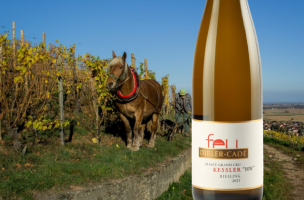
In the Haut-Rhin vineyards, Domaine Dirler-Cadé produces a series of remarkably precise grand cru Rieslings, in which the minerality of the terroirs shines through without excess. Domaine Marc Kreydenweiss builds on that success with its grand crus, producing taut, vibrant whites that reward a little patience. Together, they show why Alsace is one of the standout regions of a vintage made for white wines.
Ageing potential: Rieslings are already delicious but built to last; around ten years in the cellar will enhance the grand crus, thanks to their acidity.
In the South too, 2021 was a cool, late year that reshuffled expectations. Where southern vintages sometimes have sunshine in abundance, the best estates made the most of this season to produce balanced reds with restrained alcohol and clear fruit flavours. Higher-altitude terroirs and appellations known for their freshness — Terrasses du Larzac and Pic Saint-Loup — fared particularly well. This is a vintage for anyone seeking southern wines that are easy to drink, precise and already enjoyable.
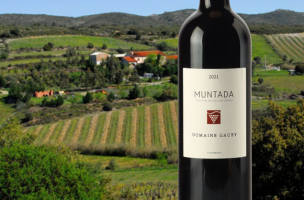
In Roussillon, Domaine Gauby crafts wines of uncommon finesse and tension for the region on its Calce marl soils, underpinned by exacting viticulture. In the Gard, Roc d'Anglade shares that pursuit of elegance and drinkability, with fragrant, fresh reds. Around Pic Saint-Loup and Terrasses du Larzac, this generation of winemakers devoted to purity gives the 2021 vintage an unexpectedly fresh southern character.
Ageing potential: reds are approachable now and best enjoyed over the next five to eight years; there is no need to wait, as 2021's charm is immediate.
The 2021 vintage is for those who prefer finesse to power and freshness to concentration. It is the ideal year to stock up on great whites — Alsace Rieslings, Hermitage whites, and Bordeaux dry whites and sweet wines — which already offer plenty of pleasure yet will age for years. For reds, look to terroirs that preserved their balance: Médoc classified growths for cellaring, wines from the South and the Rhône for immediate enjoyment. To compare 2021 with other years and find bottles at their peak, consult the SoDivin Vintage Guide. All our 2021 bottles are checked and stored in our cellars, then dispatched with the utmost care.