 /
/ 















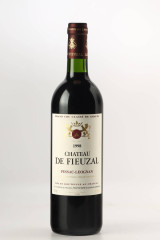

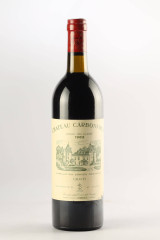


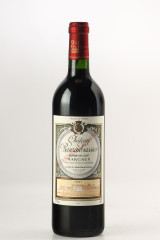

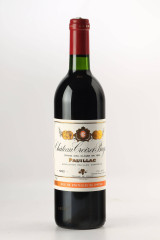
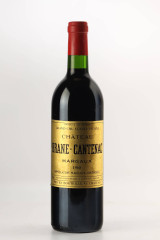


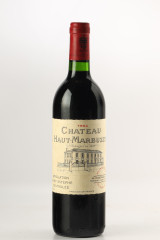


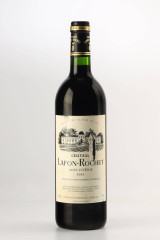
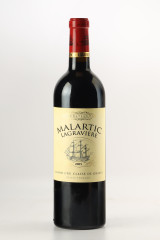


Receive our latest arrivals of Classified Growths of Bordeaux by email!
Sign up and be the first to know about new arrivals.

Would you like to create your own composition? Contact us!
 Contact us

The Grands Crus Classés de Bordeaux bring together the most prestigious wines from the appellations of Médoc, Sauternes, Graves and Saint-Émilion. The 1855 classification distinguishes the crus of the Médoc and the sweet wines of Sauternes, including Château d'Yquem. The Graves classification (1953) identifies the finest red and white wines of Pessac-Léognan. In Saint-Émilion, a revisable classification distinguishes the Grands Crus Classés and the Premiers Grands Crus Classés. These wines combine terroir, tradition and excellence.
Read moreFiltrer
Products (486)
Sign up and be the first to know about new arrivals.
Retrouvez NOS SELECTIONS
The term "Grand Cru Classé" refers to a wine recognised for its superior quality, according to an official classification. In Bordeaux, this designation is based on several historic classifications, each corresponding to a specific region of the vineyard. The most famous remains the 1855 classification, established at the request of Napoleon III for the Paris Universal Exhibition. This classification ranks the châteaux of the Médoc (and only one from Graves) into five quality levels, from Premier to Cinquième Cru.
The grands crus classés of Bordeaux are synonymous with consistency, exceptional terroir and ancestral expertise. Their long ageing potential, aromatic complexity and rarity make them collector's wines, often prized internationally. Investing in a grand cru classé also means investing in a safe bet, both in terms of taste and heritage.
To choose a Grand Cru Classé from Bordeaux well, several criteria should be considered. Firstly, the vintage plays an essential role: certain years are particularly successful, such as 2000, 2005, 2009, 2010 or even 2016 and 2020. Next, the appellation is important, as each terroir offers a distinct style: Pauillac wines are powerful, those from Margaux more elegant, whilst Saint-Émilion often offers round and velvety wines. Finally, consider the ageing potential: certain crus require several years of ageing to reach their peak.
Among the most prestigious wine regions in the world, Bordeaux holds an exceptional place. A true symbol of French winemaking expertise, the Bordeaux vineyard is famous for its grands crus classés, exceptional wines that captivate enthusiasts and collectors alike.
Created for the Paris Universal Exhibition, the 1855 classification established the hierarchy of the finest crus of the Médoc, Sauternes and Graves. This classification distinguishes 61 classified red wines (mainly from the Médoc), divided into several levels from Premier Cru to Cinquième Cru.
Among the iconic names are Château Lafite Rothschild, Château Margaux, Château Latour, Château Haut-Brion and Château Mouton Rothschild, the latter having been promoted to Premier Cru status in 1973.
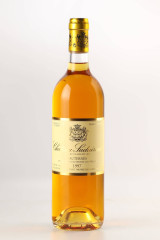
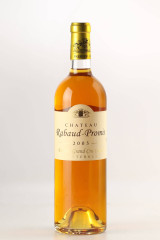
Within the 1855 classification, the sweet wines of Sauternes and Barsac enjoy particular recognition. This classification distinguishes 27 classified crus, divided into two levels: Premiers Crus and Deuxièmes Crus. At the top of this hierarchy, a single estate occupies a unique position: Château d'Yquem, the only one to have received the designation of Premier Cru Supérieur.
Unlike the 1855 classification, that of Saint-Émilion is regularly revised, giving it a unique dynamic. Established in 1955, this classification distinguishes three categories:
Recent revisions have highlighted iconic estates such as Château Figeac, Château Pavie, Château Canon and Château Bélair-Monange, which today embody the elite of Right Bank wines.
Officially established in 1959, the Graves classification concerns red and dry white wines produced in the current Pessac-Léognan appellation. All classified châteaux are now located there, including the legendary Château Haut-Brion, the only estate to also appear in the 1855 classification. This classification highlights the balance and finesse of wines from southern Bordeaux, at the crossroads of tradition and innovation.
The Grands Crus Classés of Bordeaux owe their reputation to unique terroirs. From the gravelly soils of Pauillac to the limestone clays of Saint-Émilion, each appellation develops its own identity. The region's temperate oceanic climate allows the iconic grape varieties — Cabernet Sauvignon, Merlot, Cabernet Franc, Sémillon and Sauvignon Blanc — to flourish fully.
This alchemy between soil, climate and grape variety gives rise to complex, powerful or delicate wines capable of lasting for decades.
Appreciated in the finest cellars around the world, the grands crus classés of Bordeaux are objects of tasting, collecting and investment. Their rarity, ageing potential and consistency make them safe values in the fine wine market.


