 /
/ 



















Receive our latest arrivals of 2019 Wine by email!
Sign up and be the first to know about new arrivals.

Would you like to create your own composition? Contact us!
 Contact us

Born of a hot, dry summer tempered by cool nights, the 2019 vintage produced ripe, concentrated wines with fine acidity and tension across almost every region. It was a remarkably consistent year, ranking alongside the finest recent vintages for both reds and whites. Structured reds — Bordeaux from both banks, Côte de Nuits and Côte-Rôtie — need a little patience in the cellar, while dry whites and sweet wines reveal themselves sooner. The northern Rhône Valley reached exceptional heights with Delas La Landonne 2019, while Burgundy channelled all its vitality into rare grands crus such as Mugneret-Gibourg Ruchottes-Chambertin 2019. To see where 2019 stands among the great years, keep the SoDivin Vintage Guide close at hand.
Read moreFiltrer
Products (17)
Sign up and be the first to know about new arrivals.
2019 was an excellent year: warm but balanced, with successful wines across most French regions. The summer heat produced ripe, rich wines, while cool nights preserved the acidity that gives them freshness and longevity. The most structured reds — Côte de Nuits grands crus, Côte-Rôtie and Bordeaux reds — benefit from a few years in the cellar to soften. Dry whites, such as those from Domaine Marcel Deiss in Alsace, and sweet wines are already a pleasure to drink and can also be kept for years. Every bottle is checked and stored in our cellar conditions before dispatch.
It’s an ideal choice to mark a birth year. Still young in 2026, 2019 wines have a long evolution ahead of them: giving a bottle from that year means giving a wine that will grow alongside the person it celebrates. For a gift to open soon, a fine Alsace white or a Condrieu already offers plenty of brilliance. For long-term ageing, a red Burgundy grand cru or a Côte-Rôtie can accompany a child born in 2019 through life’s major milestones. Every bottle is dispatched with the utmost care.
It all depends on what you have in mind. To build a cellar for ageing, the ripe, structured 2019 Bordeaux classified growths are among the year’s most reliable choices, alongside the great reds of the Côte de Nuits and Côte-Rôtie wines from the northern Rhône. For more immediate enjoyment, Alsace grands crus, Condrieu and sweet wines are already appealing. To compare 2019 with other great years and identify bottles at their peak, consult our vintage guide.
The 2019 vintage will be remembered as one of the great recent successes of French winegrowing. After a mild winter, a hot, dry summer set in, with heat spikes in June and July, tempered by cool nights through to harvest. This alternation allowed the grapes to ripen fully while retaining the acidity that gives the wines freshness and the ability to age. The results are remarkably consistent across regions: concentrated, balanced wines made to last, from Bordeaux to Alsace. Where winemakers managed the heat well, 2019 produced bottles among the decade’s most accomplished.
In Bordeaux, 2019 was a warm, sun-drenched year that produced rich, dense wines with fine tannic structure. The left bank, from the Médoc to Pessac-Léognan, produced reds that are more structured and classical than in 2018, led by ripe Cabernets from Pauillac and Saint-Julien. On the right bank, the Merlots of Pomerol and Saint-Émilion achieved fine ripeness, yielding generous, fleshy wines lifted by slightly more pronounced acidity than the previous year. The Institute of Vine and Wine Sciences ranked 2019 among Bordeaux’s very great years, though not quite at the heights of 2016 or 2010. It is therefore a dependable, consistent vintage for ageing, best approached without haste.
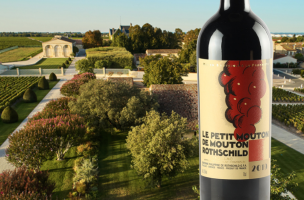
SoDivin’s Bordeaux selection is deliberately focused and discerning. It highlights L’If, a Saint-Émilion of great purity from the Thienpont family, considered one of their finest successes in this vintage, alongside Le Petit Mouton, the second wine of Château Mouton Rothschild, which offers an elegant introduction to the Pauillac style. The year’s classified growths feature among the great Bordeaux wines, best reserved for those who enjoy long-term cellaring.
Ageing potential: still young, the great 2019 reds will keep for ten to twenty years; decant them well in advance if opening them today.
Burgundy experienced drought and very low yields in 2019, and that is precisely where the vintage’s strength lies. Frost in early April, especially in the Côte de Beaune, followed by flowering disrupted by a cold snap in June reduced the harvest and produced small, thick-skinned berries. The resulting wines have rare concentration, with rich fruit accompanied by lively acidity that keeps them taut and precise. For reds, the Côte de Nuits shines especially brightly, with wines combining finesse, vibrancy and depth. The less plentiful whites are ripe and balanced, richer than in 2017.
The red grands crus of the Côte de Nuits are at the heart of the year’s Burgundy selection. Domaine Anne Gros produces a Richebourg with a wonderfully long finish, while Mugneret-Gibourg crafts a taut, refined Ruchottes-Chambertin destined to develop over many years. The Grands-Echezeaux from Domaine Gros Frère & Sœur emphasises power, while the Vosne-Romanée from Domaine Arnoux-Lachaux expresses the vintage’s velvety character in a more immediately appealing style. These are rare bottles sought after by lovers of great Burgundy.
Ageing potential: the red grands crus need ten to twenty years in the cellar; village-level cuvées open up sooner, showing their fruit.
In the northern Rhône, 2019 was a warm, powerful vintage, a clear step up from 2018. The heat produced dense, ripe Syrahs, and Côte-Rôtie fared best, with some of the finest wines of the entire year. Freshness made all the difference: the best terroirs produced profound reds that are both fleshy and balanced. For whites, Condrieu was more variable, but the great slopes yielded rich, saline Viogniers with fine precision. It is a standout region of the vintage for lovers of characterful wines.
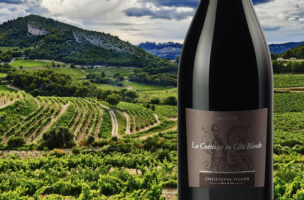
Côte-Rôtie naturally leads the selection. Delas produces a dense, smoky Landonne from the schist soils of the Côte Brune, built to age, while Domaine Christophe Pichon offers a softer, more floral expression of the Côte Blonde. Among the whites, Coteau de Vernon de Georges Vernay takes Condrieu Viognier to exceptional heights in a generous, mineral style made to age.
Ageing potential: the great Côte-Rôtie Syrahs need five to ten years and will last twenty; Condrieu is best enjoyed young.
Alsace is one of the regions where the strengths of the 2019 selection shine most clearly. It was a warm, sunny year, but cool nights late in the season preserved the wines’ tension, producing ripe, concentrated whites without heaviness. The Riesling and Gewurztraminer grands crus gained fine depth, supported by terroirs such as Schoenenbourg, Altenberg de Bergheim and Spiegel. In the most favourable plots, extended ripening made it possible to produce rare late-harvest wines: sweet wines made from overripe grapes, sometimes affected by botrytis, the noble rot that concentrates sugars and aromas. It is an approachable, dependable region, ideal for discovering great age-worthy whites.
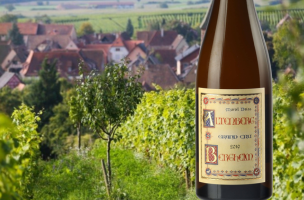
Domaine Marc Kreydenweiss showcases the year’s finesse in its Gewurztraminers, while Domaine Dirler-Cadé expresses Spiegel in both a finely crafted dry Riesling and a late-harvest Gewurztraminer. Domaine Marcel Deiss, true to its practice of co-planting, produces remarkably dense grands crus from Schoenenbourg and Altenberg de Bergheim. These bottles offer an appealing and rewarding introduction to the whites of 2019.
Ageing potential: the great dry grands crus will keep for ten years or more; late-harvest wines, already delicious, will last for several decades.
In the South, 2019 was a sunny, dry year that produced concentrated, generous wines. Success depended on estates retaining freshness despite the heat, helped by altitude, schist terroirs and old vines. In Roussillon and the Languedoc hinterland alike, the best wines combine the density of ripe fruit with welcome tension. It is a distinctive style that rewards curious wine lovers.
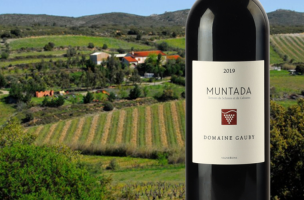
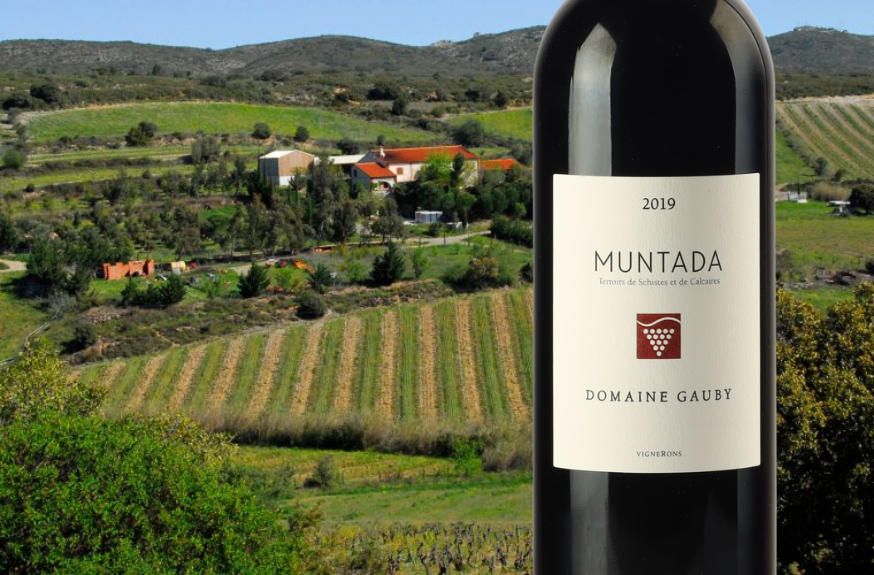
In Roussillon, Domaine Gauby tends its old vines on the schist slopes above Calce: its Vieilles Vignes cuvée and La Muntada single-vineyard wine are profound, structured and surprisingly fresh for the vintage. Further west, Domaine Alain Chabanon produces precise, easy-drinking Languedoc wines. These cuvées carry the ripe, balanced signature of 2019 into the South.
Ageing potential: drink now for their fruit or keep old-vine cuvées for five to ten years.
The 2019 vintage is for anyone who loves ripe, generous years without sacrificing balance. It is a dependable choice: the finest bottles — Côte-Rôtie, Côte de Nuits grands crus and Bordeaux reds — will continue to improve, while Alsace grands crus, Condrieu and sweet wines already offer real pleasure. To compare 2019 with other great years and find bottles at their peak, keep the SoDivin Vintage Guide close at hand. Every 2019 bottle is selected, inspected and stored under our cellar conditions before prompt, careful dispatch, so you can buy with confidence.