 /
/ 











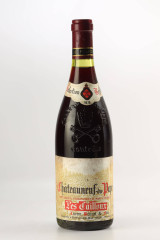
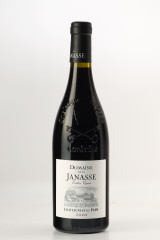


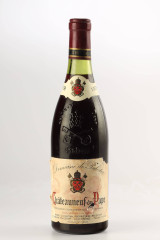
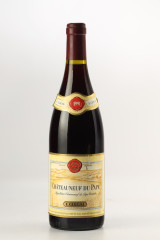
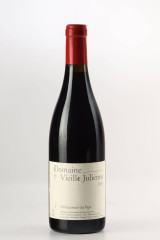


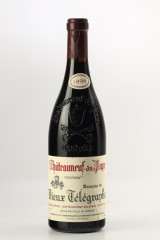
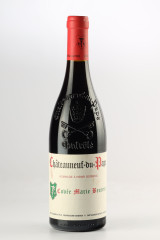







Receive our latest arrivals of Châteauneuf du Pape appellation by email!
Sign up and be the first to know about new arrivals.

Would you like to create your own composition? Contact us!
 Contact us


The Châteauneuf-du-Pape appellation is located in the southern part of the Rhône Valley, between Orange and Avignon.
It is famous for its powerful and full-bodied red wine, composed largely of the classic southern Rhône trio of grape varieties: Grenache, Syrah and Mourvèdre. Châteauneuf-du-Pape is also distinguished by its use of 13 grape varieties typical of the region, reflecting the richness and diversity of its vineyards. The appellation's specific soils, such as rounded pebbles (galets roulés), gravel and sand, also contribute to the uniqueness of the wines produced there.
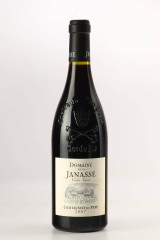
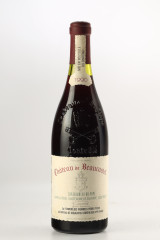
Today among the best known producers in the Châteauneuf-du-Pape appellation: Château de Beaucastel, Henri Bonneau, M. Chapoutier, Clos des Papes, Domaine de la Janasse, Domaine de La Mordorée, La Nerthe, Rayas, Roger Sabon, Domaine du Vieux Télégraph.
>> See our article 'The Châteauneuf-du-Pape appellation, an exceptional terroir'
Read moreFiltrer
Products (56)
Sign up and be the first to know about new arrivals.
The Châteauneuf du Pape appellation territory is famous for its powerful and full-bodied red wine, composed largely of the classic Southern Rhône trio of grape varieties: Grenache, Syrah and Mourvèdre.
The Châteauneuf du Pape appellation takes its name from the time when Avignon was the seat of the Papal court in the 14th century. However, it wasn't until the 1920s that the wine from this region became prestigious. Baron Le Roy, owner of Château Fortia, established quality-focused wine production conditions, which eventually gave birth to the French appellation system. In 1929, the Châteauneuf du Pape appellation was officially recognised, becoming one of the first French appellations and remaining one of the most prestigious. Initially, thirteen grape varieties were allowed, but this number was increased to eighteen after a review in 2009.
The soils of the Châteauneuf-du-Pape appellation, located in the southern half of the Rhône Valley, are characterised by their stony and sandy composition, typical of the region. These soils were formed from ancient river beds, with the town and its vineyards situated east of the Rhône.
The Châteauneuf-du-Pape vineyards are famous for their large pebbles, also known as "galets roulés". These stones play an essential role in preventing water evaporation at the soil surface and reflecting sunlight onto the vine leaves.
Despite having a Mediterranean climate, the Châteauneuf-du-Pape appellation is technically the driest in the entire Rhône Valley. This characteristic makes the strict prohibition of irrigation or watering during the growing season even more significant. In extreme conditions, wine estates must obtain special permission from the French government to water their vines.
Châteauneuf-du-Pape is distinguished by its tradition of creating wines from thirteen different grape varieties, each bringing their unique characteristics in terms of colour, structure, fragrance, freshness and longevity. These varieties include Grenache, Syrah, Mourvèdre, Cinsault... Grenache, of Iberian origin, predominates in most wines, providing structure, power and ageing potential. It is often blended with Mourvèdre, Syrah and Cinsault to create balanced wines.
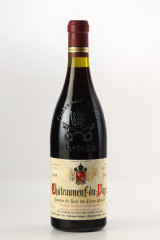
The emblazoned Châteauneuf-du-Pape bottle, created in 1937, plays an essential role in promoting and establishing the reputation of the appellation's wines. It also represents a collective trademark. The coat of arms adorning the bottle symbolises a papal tiara above Saint Peter's keys, with the inscription "Châteauneuf-du-Pape contrôlé" in Gothic letters surrounding this emblem. This iconic bottle is widely recognised, contributing to the promotion of the appellation's wines and attesting to their authenticity. Indeed, legally, the emblazoned bottle benefits from collective trademark status and is protected by intellectual property rights.
Today among the best-known producers in the Châteauneuf-du-Pape appellation: Château de Beaucastel, Henri Bonneau, M. Chapoutier, Clos des Papes, Domaine de la Janasse, Domaine de La Mordorée, La Nerthe, Rayas, Roger Sabon, Domaine du Vieux Télégraph.
The best vintages of the Châteauneuf du Pape appellation are: 1929, 1943, 1945, 1947, 1961, 1978, 1985, 1988, 1989, 1990, 1995, 1998, 2000, 2005, 2011.
Châteauneuf-du-Pape red wines are often paired with red meat dishes, such as beef stew, pepper steak, hare civet, venison haunch and veal chop with chanterelle mushrooms. They also pair well with mushroom risotto, shellfish, grilled salmon and salt cod brandade.
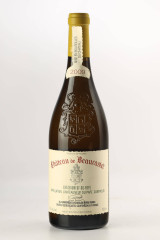
Regarding Châteauneuf-du-Pape white wines, they pair perfectly with fish and seafood dishes, such as grilled shellfish or salmon preparations. They can also accompany poultry dishes such as roast chicken or turkey escalopes. Their freshness and elegance are particularly enhanced in these pairings.
The Estates of the Appellation are: Château Rayas Rouge, Henri Bonneau, Château de Beaucastel, Domaine du Pegau, Domaine de Marcoux, Roger Sabon, Vieille Julienne, Clos Saint Jean, Château Rayas Blanc, Domaine de la Janasse, Clos des Papes, Usseglio Pierre, Domaine Saint Prefert, Domaine Grand Veneur, Le Clos du Caillou,...


