/


















Receive our latest arrivals of 1970 Wine by email!
Sign up and be the first to know about new arrivals.

Would you like to create your own composition? Contact us!
 Contact us

After two difficult years, the 1970 vintage marked the return of a great Bordeaux harvest: plentiful and, unusually, of consistent quality across all appellations. The reds are classic, well-structured and long on the palate, with most now at maturity. The Right Bank produced the year’s finest wines, led by Pomerol, while the Médoc offers a consistent line-up of distinguished classified growths. Sauternes sweet wines, more honest than opulent in the absence of abundant botrytis, retain fine balance. Among the year’s most reliable choices, Château Ducru-Beaucaillou 1970 from Saint-Julien and Château La Fleur-Pétrus 1970 from Pomerol illustrate the vintage’s finesse; to compare 1970 with other years, consult our vintage guide.
Filtrer
Products (16)
Sign up and be the first to know about new arrivals.
Yes. 1970 is a classic Bordeaux vintage: a plentiful, healthy harvest with consistent quality across the appellations. The reds, initially firm and full-bodied, have developed into harmonious wines, most of which are now ready to drink. It is also a vintage noted for its longevity, with the best bottles lasting well over fifty years. A classified growth such as Château La Lagune shows just how successful a classic yet approachable Médoc can be.
In 1970, the usual pecking order holds, though there are some pleasant surprises. On the Right Bank, Pomerol leads the way with wines of great finesse. In the Médoc, the Bordeaux classified growths of Saint-Julien, Pauillac and Saint-Estèphe offer structured, dependable reds, often at their peak. Among the sweet wines, the Sauternes first growths remain reliable choices, depending on how much botrytis you prefer. For a first purchase, a classified growth that has reached maturity avoids some of the uncertainty that comes with very old bottles.
Absolutely. A bottle from the same year as a loved one's birth makes a rare, personal gift, and 1970 is particularly well suited to the occasion thanks to its mature, ready-to-drink wines with excellent ageing potential. To find a bottle from the desired birth year, choose a mature Médoc or Pomerol red, or a sweet Sauternes that will last for decades to come. Always check the fill level and the condition of the label, both indicators of good storage.
1970 began the decade on an optimistic note. After the difficult harvests of the late 1960s, the year brought a generous, healthy crop ripened by a hot, dry summer. This rare combination of high volume and consistent quality made it one of Bordeaux’s first modern vintages. At SoDivin, the 1970 selection focuses on the year’s three defining styles: Médoc reds, Right Bank Pomerol and Sauternes sweet wines.
In 1970, the Médoc produced reds in the classic Bordeaux mould: deep colour, an initially firm tannic structure and aromas of cedar, tobacco and dark fruit. Closed and slightly austere at first, these wines called for patience; half a century later, the best have softened their tannins and found a fine balance. Consistency is the hallmark of the year: from leading appellations to more modest growths, quality remains even. It is a vintage built to age, and its finest bottles continue to mature well.
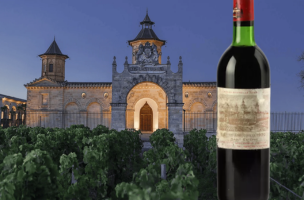
In Saint-Estèphe, Château Cos d’Estournel embodies the commune’s firm, classic style. In Pauillac, Château Duhart-Milon and Château Pichon-Longueville Baron offer well-structured classified growths worthy of their standing. Saint-Julien remains a benchmark for finesse and consistency, while several classified growths in Haut-Médoc and Margaux complete the selection with wines already drinking well. Together, they make for a dependable 1970 Médoc selection, ideal for a first introduction to fine mature Bordeaux.
Ageing potential: most 1970 Médoc classified growths are ready to drink now; check the fill level and favour well-preserved bottles, decanting them for an hour before serving.
It is on the Right Bank that 1970 reaches its heights. In Pomerol, Merlot ripened perfectly, producing wines of remarkable finesse and fullness, often cited among the year’s finest successes. The appellation’s leading wines, notably Pétrus and Trotanoy, rank among the great Pomerols of the twentieth century: powerful in their youth, then blossoming over time. Saint-Émilion was less consistent, making careful selection all the more important on this bank.
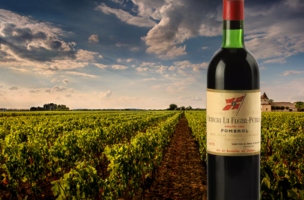
Château La Fleur-Pétrus perfectly illustrates the appellation’s style in 1970: built on finesse rather than power, with a silky texture and mellow tannins that make it a remarkably approachable Pomerol. Its aromas have evolved towards truffle, woodland floor and fine leather, hallmarks of mature Right Bank Merlot. More broadly, the wines of Pomerol appeal for their roundness and balance at maturity; these are bottles sought after by lovers of fine mature Merlot.
Ageing potential: 1970 Pomerols are at their peak; the greatest still have staying power, but most are best opened now, after an hour in a decanter.
In Sauternes, 1970 did not see ideal conditions for noble rot. A lack of rain and humidity late in the season limited the development of botrytis, the ‘noble rot’ that concentrates sugars and aromas. The year’s sweet wines are therefore more restrained than opulent: they have fine balance, measured sweetness and acidity that has given them surprising longevity, but less complexity than in the greatest botrytised years. It is an honest vintage to choose for its freshness rather than its richness.
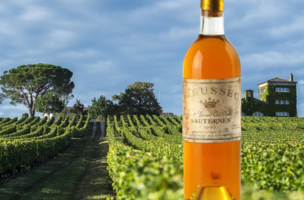
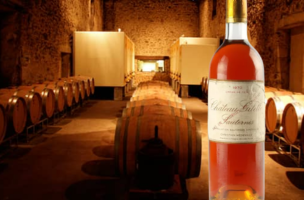
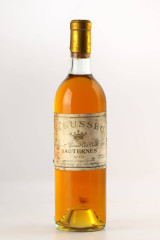
The First Growths remain reliable benchmarks: Château Rieussec has retained an amber hue and notes of orange marmalade, honey and caramel, underpinned by lovely freshness. The vintage’s exception has a name: Château Gilette Crème de Tête, aged for nearly twenty years in concrete tanks before bottling. This unique approach to ageing shields the sweet wine from the vagaries of its vintage and makes it a highly sought-after rarity. More broadly, the Sauternes of 1970 offer an accessible, reliable introduction to Bordeaux’s great sweet wines.
Ageing potential: these sweet wines can be enjoyed now for their freshness and can be kept for many more years; Gilette, meanwhile, is a collector’s bottle.
Although SoDivin’s 1970 selection focuses on Bordeaux, it is worth looking at other wine regions to understand the year fully. In Burgundy, the harvest was plentiful and the reds were light and charming from the outset, made for drinking rather than ageing. Champagne saw its highest yields of the century, producing wines in a generous style. In the Rhône Valley, 1970 is a serious vintage, with the south outperforming the north.
For buyers, the picture is straightforward: in Bordeaux, 1970 is primarily about reds, from the Right Bank to the Médoc, followed by sweet wines for their longevity; elsewhere, the wines should now be enjoyed without delay. This clear regional hierarchy is precisely what makes for a confident buying decision.
Ageing potential: outside Bordeaux, 1970 wines should be opened soon; in Bordeaux, reds and sweet wines may still have time ahead of them, depending on the bottle.
The 1970 vintage brings together everything one hopes for in a fine mature Bordeaux: classic reds that have reached maturity, Right Bank refinement, sweet wines with impressive longevity and a reputation for ageing borne out by more than fifty years in bottle. It is an ideal year for buying your first mature wine or marking a special date, provided you check the fill level and condition of each bottle. To refine your choice and compare 1970 with other great years, consult the SoDivin vintage guide, then use our detailed notes on each wine.