 /
/ 























Receive our latest arrivals of Domaine Gauby by email!
Sign up and be the first to know about new arrivals.

Would you like to create your own composition? Contact us!
 Contact us


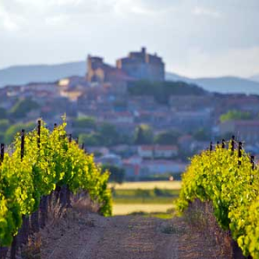
In Calce, a small village in the Pyrénées-Orientales north-west of Perpignan, Domaine Gauby has redefined the ambitions of Roussillon wine. On a terroir of limestone, marl and schist rising in almost vertical strata, old vines tended using biodynamic and mixed-farming practices produce reds and whites of taut finesse and saline minerality, far from the sun-drenched power expected of the South.
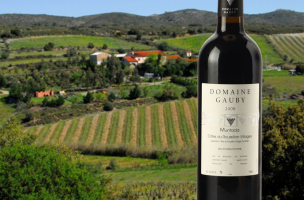
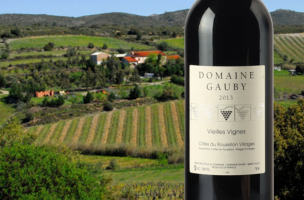
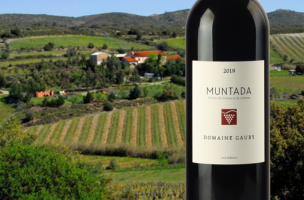
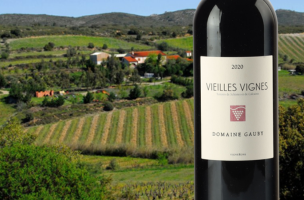
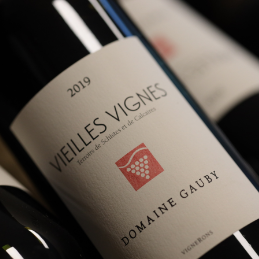
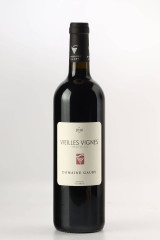
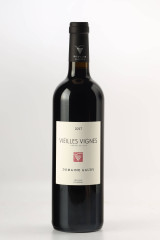
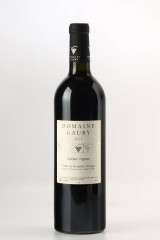
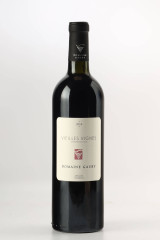
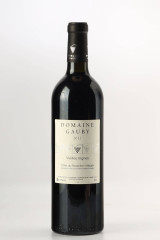
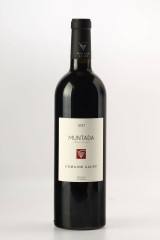
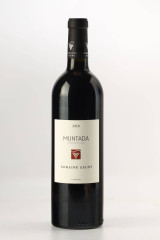
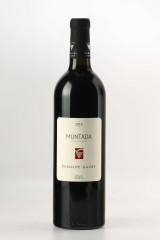
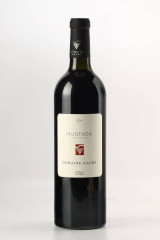
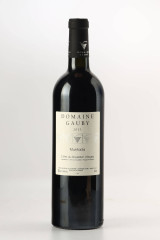
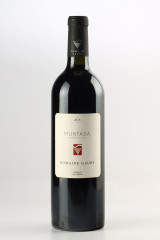
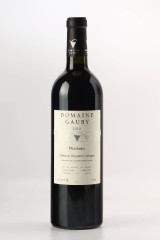
The range runs from the approachable Calcinaires through Vieilles Vignes to the pinnacle, Muntada, and the white Coume Gineste. The 2016 vintage and 2019 illustrate this pursuit of balance and freshness, while the more recent 2021 confirms the precision of an estate that has become a benchmark for Languedoc-Roussillon wines.
Read moreFiltrer
Products (26)
Sign up and be the first to know about new arrivals.
Our selection of great vintages from Domaine Gauby...
Their freshness. On Calce’s limestone, marl and schist terroir, farmed biodynamically with a mix of crops, the estate seeks finesse and minerality rather than power: taut, saline and elegant reds and whites, far removed from the traditional image of southern French wines.
Among the reds, Les Calcinaires offer a supple introduction, the Vieilles Vignes bring greater depth, and La Muntada crowns the range. Among the whites, Coume Gineste is the benchmark, alongside Vieilles Vignes Blanc. Most are now labelled IGP Côtes Catalanes.
The entry-level cuvées are best drunk young, but the Vieilles Vignes and La Muntada benefit from several years in the cellar and are best enjoyed after decanting. The finest whites also age remarkably well.
The story of Domaine Gauby begins modestly in Calce, a village long overlooked on the wine map, perched some twenty kilometres north-west of Perpignan. The family’s first vines were grown for the co-operative winery: the grapes were sold in bulk, and no one yet imagined that this patch of garrigue could produce great wines. The turning point came with Gérard Gauby. In the mid-1980s, he decided to make his own wine, released his first bottles under his own name and began patiently buying up plots of old vines. In around fifteen years, the small estate of just a few hectares grew into a substantial property. The 1990s vindicated his decision: Calce’s reds became known far beyond Roussillon and put the village on the map of significant terroirs. His son Lionel joined him in the 2000s and took charge of winemaking towards the end of that decade, further refining the estate’s style towards greater freshness, precision and drinkability.
If Domaine Gauby wines have such depth, it begins with the soil. The name Calce itself comes from limestone, and the area’s subsoil layers limestone, marl and schist in tilted, almost vertical strata. The roots of the old vines reach deep in search of water and minerals, giving the wines their taut, saline minerality and a freshness unusual in a Mediterranean climate. The setting plays a major part too. The vineyard lies within a large estate of around 85 hectares, some 40 of which are planted with vines; the rest is a mix of oak woods, meadows, crops and garrigue. This mosaic, together with the altitude of the slopes and the dry wind that sweeps the region, moderates the heat and preserves the grapes’ natural acidity. This is far from the image of a South defined solely by sunshine: here, terroir shapes freshness as much as power.
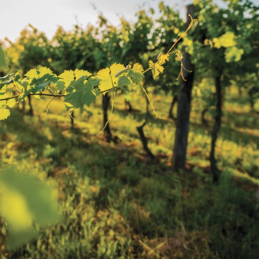
Domaine Gauby was one of the pioneers of environmentally responsible viticulture in Roussillon. Early on, the family abandoned synthetic chemicals in favour of organic farming, before adopting biodynamics around the turn of the 2000s: plant-based preparations, compost and working the soil instead of using herbicides. The approach extends beyond the vines. The estate practises mixed farming and agroforestry: trees are planted between and around the plots to provide shade, shelter beneficial wildlife and regenerate the soil, while the property also produces olive oil and almonds. In the winery, the same thinking applies: ripe grapes are harvested, the estate’s native yeasts are used, fermentations are slow, and the wines are aged in concrete vats and old wooden vats rather than steel, with no chaptalisation or acidification and, for the most part, no fining or filtration. The idea is simple: intervene as little as possible to let the place speak, and bottle only the fruit of the estate’s own vines.
The range follows a clear progression. Among the reds, Calcinaires offers the most approachable introduction; Vieilles Vignes brings together old-vine Grenache, Carignan, Syrah and Mourvèdre in a deeper style; and Muntada — whose name means ‘the ascent’ or ‘the mountain’ in Catalan — crowns the range. It is the most ambitious cuvée, made from the finest old-vine plots. The estate’s whites are just as sought-after, with blends of Grenache Gris and Blanc, Macabeu, Muscat, Vermentino or Chardonnay. Coume Gineste is the benchmark: generous, saline wines with remarkable freshness. Long labelled under the Côtes du Roussillon appellation, most cuvées are now presented as IGP Côtes Catalanes, a choice that gives the estate freedom to let the blend and terroir take precedence over appellation rules. At the table, the reds pair with grilled meat, game or slow-cooked dishes, while the whites call for fish, shellfish and cheese.
Should you wait before opening a Gauby? The entry-level cuvées can be enjoyed fairly young, but Vieilles Vignes and especially Muntada reward patience: a few years in the cellar, and often decanting, allow their notes of ripe fruit, spice and garrigue to unfold while retaining their signature tension. The great whites also benefit from ageing and surprise with their longevity. This ability to stand the test of time has built the estate’s reputation: for decades, its vintages have won critical acclaim in France and internationally, making it one of the South’s most sought-after names and a driving force for Roussillon as a whole.
Comparing Domaine Gauby with its neighbours brings its distinctive character into focus. Nearby, in Vingrau and the Fenouillèdes, Domaine du Clos des Fées also cultivates finesse on the steep terroirs of Roussillon. Further west, near Nîmes, Roc d'Anglade shares its taste for freshness and restraint, in contrast to overly showy southern wines. In the Terrasses du Larzac, Mas Jullien is a benchmark for quality Languedoc wines, while Mas de Daumas Gassac pioneered the idea of great age-worthy wines in the region back in the 1970s. Among these estates, Domaine Gauby holds a place of its own: it was the first to prove that Calce and Roussillon could rival the very best.