 /
















Receive our latest arrivals of 1940 Wine by email!
Sign up and be the first to know about new arrivals.

Would you like to create your own composition? Contact us!
 Contact us
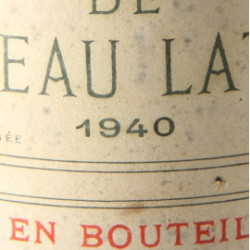
The 1940 vintage was the first harvest brought in under the Occupation, German troops having entered Bordeaux by late June. Despite shortages of corks, bottles and labour, the year proved a step above 1939: Bordeaux reds were sound, if uneven, and sometimes precise and well defined, while Burgundy produced fine, graceful Pinots. The Rhône, meanwhile, suffered from unfavourable weather. The great terroirs made the difference: Château Mouton Rothschild and Château Cheval Blanc were among the year’s finest successes, alongside the sweet wines of Sauternes and the long-aged colheitas of Port, made to last. To place 1940 among the other years of its century, consult our Vintage Guide.
Filtrer
Products (3)
Sign up and be the first to know about new arrivals.
1940 was a respectable but uneven year, clearly better than 1939 without reaching the heights of the following decade. In Bordeaux, the warm year produced well-defined reds where the terroir and rigorous grape selection were up to the task, with the Right Bank and the best Graves estates making the most of the vintage. In Burgundy, the Pinot Noirs from the finest sites are delicate, graceful and aromatically elegant, and have aged well. A Château La Mission Haut-Brion with good provenance remains one of the most reliable examples of what Bordeaux could produce that year. As always with old vintages, the individual bottle makes the difference: provenance and storage matter more than the year’s reputation.
Yes, the best 1940 bottles are still alive when they have been stored in good conditions: they have reached full maturity, but wines from great terroirs retain remarkable, mellowed finesse. At this age, everything hinges on the fill level, colour, condition of the label and any recorking; favour bottles with an impeccable, traceable history. Among the reds, the left-bank Bordeaux classified growths, with their firm tannic structure, are among those that have best weathered the decades. To compare 1940 with neighbouring vintages and assess its true potential, consult our Vintage Guide.
Yes: made in the same year the recipient was born, a 1940 bottle carries a special emotional and historical weight, from a harvest gathered in the midst of war. Someone born in 1940 does not have a milestone birthday in 2026, but it is precisely the sort of birth year worth marking with a bottle from the same vintage. The most reliable gifts are styles that improve with time — sweet Sauternes, colheita port and old spirits — because they keep well beyond eighty years and endure the passing decades better than the year’s fragile reds.
The 1940 vintage marks the beginning of the war years in French vineyards. The harvest took place under the Occupation, amid the shortages of labour, corks and bottles that defined the period. The year lacks the consistency of great vintages but is distinctly better than 1939: Bordeaux and Burgundy excelled on their finest terroirs, while the Rhône suffered from adverse weather. As with any old vintage, quality depends first on origin and storage. This account therefore considers each region in turn, distinguishing wines still worth opening from those best kept for a collection.
In Bordeaux, 1940 was a warm year that produced a sound vintage, distinctly better than 1939 but uneven in quality. The best reds are precise and well defined, with reasonable ripeness and a tannic structure that has sustained the most serious wines. Success depended above all on careful selection and the quality of the terroir: the great Graves vineyards of the Left Bank and the best parts of the Right Bank had the advantage. Sauternes produced only small quantities of sweet white wine, but surviving bottles retain the balance sought from botrytis, the ‘noble rot’ that concentrates the grapes’ sweetness.
On the Left Bank, Château Lafite Rothschild and Château Haut-Brion, along with Château Latour, are among the estates whose well-kept 1940 wines still merit attention, alongside the previously mentioned Mouton Rothschild. In Margaux, Château Palmer demonstrates the consistency of an estate capable of producing an age-worthy wine in a difficult year. The Right Bank, led by Cheval Blanc, and the great Graves vineyards of Pessac confirm that the year’s quality hierarchy largely follows that of its terroirs. Every bottle remains an individual case, to be judged more by its fill level and provenance than by the vintage’s reputation alone.
Ageing potential: fully mature; well-kept first growths and great Graves wines remain lively if the fill level is high. Other reds are best left to collectors, after checking the fill level and any recorking.
In Burgundy, 1940 produced fine, light reds without the substance of great years, but not without charm in the best vineyards. Pinot Noirs from the great terroirs stand out for their delicacy and tertiary aromas — woodland floor, dried fruit and gentle spice — which have aged well. Wartime yields and labour shortages took their toll, but estates able to vinify with care produced graceful wines of understated elegance. This is a terroir-driven year, in which the quality of the vineyard matters more than the generosity of the vintage.
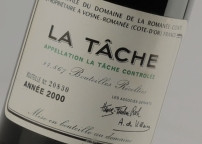
Domaine de la Romanée-Conti produced the year’s finest wines, with rich bouquets and refined finishes; La Tâche and Richebourg are particularly delicate and elegant. In Chambolle, the Chambolle-Musigny appellation confirms its gift for exquisitely delicate wines, among the most appealing of 1940. Often bottled amid wartime shortages, these wines are appreciated more for their aromatic development than their power, and require careful provenance.
Ageing potential: exceptionally rare bottles; the grands crus from the best sources remain surprisingly lively, but should only be opened if their storage history is impeccable.
The Rhône Valley was the biggest casualty of 1940. Unfavourable weather hit the harvest hard, and overall quality was poor, far from the age-worthy wines the region can produce in good vintages. The cooler north yielded lean Syrahs, while the south lacked the ripeness that gives Grenache its generosity.
The very few surviving bottles of 1940 owe their longevity more to firm structure and exemplary storage than to the quality of the year. They are curiosities for enthusiasts and collectors, rather than a reliable introduction to the vintage.
Ageing potential: a poor, almost unobtainable vintage; best left to collectors, its value lying more in rarity than drinking pleasure.
Compared with the fragile still wines of 1940, Port is the year’s safest bet. A colheita is a single-vintage Port aged for a long time in cask — often for several decades — before bottling, giving it mellow maturity and great stability. Its natural sugar content and the strength of fortified wine act as preservatives: a 1940 Port reaches its eightieth year far more comfortably than a red table wine of the same age. It is an accessible, dependable introduction to the vintage and needs no lengthy decanting.
Port from 1940 ranks among the fine years for colheita, and several leading Portuguese houses have shown just how long this vintage can last. An old 1940 Porto velho from Portugal, aged for many years in cask, illustrates this longevity: balance, notes of candied fruit, walnuts and caramel, and freshness preserved by acidity. These bottles are as suitable for discovering old fortified wines as they are for a birth-year gift, since they are more dependable to drink than the reds of that year.
Ageing potential: ready to drink now and very stable; a 1940 colheita is the vintage’s safest choice and needs barely any aeration.
Like Port, this spirit is spared the fragility of 1940’s still wines. A Cognac from that year was distilled and then aged in oak casks before bottling, and its high alcohol content protects it from the passage of time: once bottled, it changes very little and keeps indefinitely. That makes a vintage 1940 Cognac an entirely dependable choice for keeping, whereas the year’s reds demand the greatest care.
The Cognac of 1940 now shows the full character of an old spirit: rancio, dried fruit, spice and mellow oak, with remarkable length. A carefully bottled, original release aged for many years before bottling is an excellent introduction to the vintage for anyone seeking a dependable bottle that is easy to serve and ideal for marking a birth year. Unlike the reds, it can be enjoyed without risk or ceremony, simply at room temperature.
Ageing potential: unlimited; a bottled 1940 spirit will keep indefinitely and can be enjoyed without delay, making it a dependable choice for a gift or a treat for yourself.
Choosing a 1940 wine means accepting the rule of wartime vintages: quality depends less on the year’s reputation than on its terroir and storage conditions. Bottles from this harvest become available only as we acquire cellars; set up an alert on this page to hear about each new arrival, and place 1940 among the other years of its century with the SoDivin Vintage Guide. Every bottle offered is assessed and checked — fill level, label and provenance — then dispatched the same day for orders placed before 2 pm, in secure packaging and accompanied by high-definition photographs.