 /
/ 





















Receive our latest arrivals of 2012 Wine by email!
Sign up and be the first to know about new arrivals.

Would you like to create your own composition? Contact us!
 Contact us

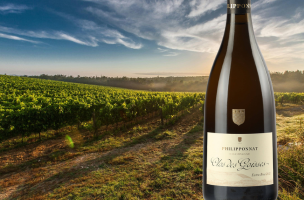
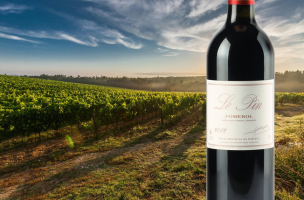
The 2012 vintage is above all an outstanding year for Champagne: after a spring beset by frost and hail, an ideal August brought the grapes to full ripeness, producing deep wines with lovely freshness. Elsewhere, the year calls for careful selection but rewards the discerning buyer. In Bordeaux, the right bank and its Merlots produced precise reds that are already delicious; in Burgundy, low yields resulted in rare, concentrated wines; in southern France, the terroirs of the Languedoc, Roussillon and Provence yielded characterful cuvées. Two places to start: Philipponnat Clos des Goisses in Champagne and Le Pin in Pomerol. To put 2012 in context alongside other years and choose with confidence, explore our Vintage Guide.
Read moreFiltrer
Products (25)
Sign up and be the first to know about new arrivals.
It all depends on the region. In Champagne, 2012 is one of the finest years of recent decades, praised by Decanter for its depth and balance. In Bordeaux, the vintage is uneven but successful on the Right Bank and for dry whites; it is generally best enjoyed relatively young. In Burgundy, yields were tiny, but the grapes that survived produced concentrated wines. The South of France is another of the year's strengths: Domaine Peyre Rose in Languedoc is a fine example. So 2012 is a vintage that rewards careful selection, where the choice of estate makes all the difference.
Yes, for a simple reason: a wine from the same year the recipient was born creates an immediate connection. As a gift, 2012 offers some lovely options that are ready to drink, from vintage Champagne to reds from the South of France and Bordeaux's Right Bank. It is also recent enough to remain accessible, yet mature enough to mark the occasion. To give a bottle from someone's birth year, simply choose a style they will enjoy. A 2012 bottle is just as fitting for a birthday as for another milestone worth celebrating.
Start with Champagne: the vintage cuvées from the major houses are the year's standouts and are drinking beautifully today. For reds, Bordeaux's Right Bank — Pomerol and Saint-Émilion — fared best, alongside the most exacting Bordeaux Classified Growths. Burgundy lovers will find rare, concentrated bottles, though it is best to stick to the most reliable estates. Finally, the South of France (Languedoc, Roussillon, Provence) offers the vintage's best value for enjoyment, with characterful wines that are already approachable. In short: Champagne to cellar or celebrate with; the Right Bank and the South to drink now.
The 2012 vintage tested winegrowers across France: spring brought frost, hail and downy mildew, before a summer that often saved the year. The results are mixed, but the message for buyers is clear. Champagne produced a benchmark vintage; southern France and Bordeaux’s right bank offer flavourful wines ready to drink; Burgundy offers rare, concentrated bottles. Here is what to seek out, region by region, and what to leave for those willing to wait.
Champagne is the great success of 2012. Spring was difficult — frost, hail and disease — but a remarkable August brought the grapes to full ripeness, a rarity in this northerly climate. Yields fell sharply, by around a third, concentrating the fruit. The wines combine depth, freshness and aromatic precision, with acidity that supports ageing. Decanter ranks 2012 among Champagne’s finest vintages of recent decades. Pinot noir and the Montagne de Reims are among the year’s strengths.
The houses that waited before releasing their wines have produced vintage Champagnes of great purity. Philipponnat’s Clos des Goisses 2012 exemplifies this success: a dense, vinous Champagne built to last, from one of the appellation’s most celebrated slopes. Blanc de blancs from the Côte des Blancs and prestige cuvées from the major houses are also among the year’s highlights. For buyers, this is a vintage to purchase with confidence, whether for the table or the cellar.
Ageing potential: most cuvées are ready to drink now; the great blanc de blancs and prestige cuvées will benefit from another ten to twenty years of ageing.
What makes SoDivin’s 2012 selection distinctive is that southern France lies at its heart. In the Languedoc, Roussillon and Provence, the year produced ripe, balanced reds without heaviness, underpinned by lovely freshness. These schist, pebble and limestone terroirs suited the vintage, which rewarded estates attentive to yields and harvest dates. The best wines combine concentration with drinkability, an ideal pairing for enthusiasts who want to drink now without sacrificing depth. They are also often the most accessible and reliable way into the vintage.
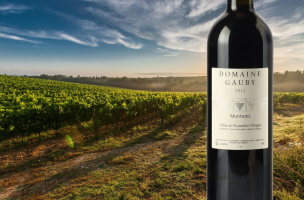
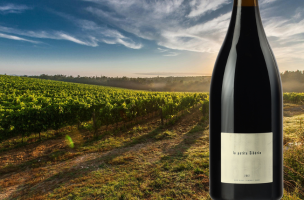
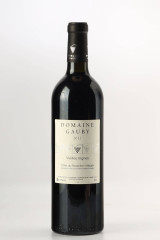
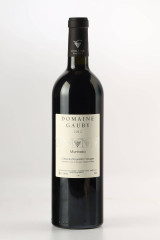
In Roussillon, Domaine Gauby makes exceptionally refined old-vine cuvées that are benchmarks for their appellation. Also in Roussillon, Clos des Fées produces La Petite Sibérie, one of southern France’s most sought-after bottles. In the Hérault, Mas Jullien in Terrasses du Larzac and Roc d’Anglade near Nîmes exemplify a precise approach focused on age-worthy wines. Domaine Peyre Rose, whose wines are aged for a long time before release, reaches a standard praised by La Revue du Vin de France, which ranks the estate among the Languedoc’s elite. In Provence, Domaine de Trévallon, with its distinctive blend of Syrah and Cabernet, completes this southern selection.
Ageing potential: most reds are ready to drink now; wines made for ageing (Peyre Rose, Gauby Muntada, Clos des Fées) can last another ten to twenty years. Check the fill level and label before buying.
In Bordeaux, 2012 is a winegrower’s vintage rather than a collector’s: difficult to manage and uneven, but successful where Merlot could be harvested before the rains. The right bank — Pomerol and Saint-Émilion — and the early-ripening sites of Pessac-Léognan fared best; the late-ripening Cabernets of the Médoc required rigorous selection. Dry whites are an often underrated success of the year. The sweet wines of Sauternes, by contrast, suffered badly: noble rot (botrytis) did not develop sufficiently, and several leading names, including Yquem, produced no wine in 2012. This is therefore a vintage to explore through right-bank reds and whites.
In Pomerol, Le Pin confirms the success of the great right-bank Merlots, in a precise, distinguished style. Neighbouring estates in the appellation and in Saint-Émilion produced fleshy reds with supple tannins, made to be enjoyed young. On the left bank, the best classified growths nevertheless made fine wines: Château Lynch-Moussas in Pauillac is an accessible, reliable example. Taken together, these are Bordeaux wines to enjoy now, chosen estate by estate rather than by the reputation of the appellation.
Ageing potential: drink right-bank reds over the next five to ten years; the most serious Médoc classified growths can last another ten to fifteen years; 2012 sweet wines are best left to enthusiasts and drunk sooner rather than later.
Burgundy endured a punishing season: frost, hail and poor fruit set reduced yields, sometimes by more than half. But the surviving, thick-skinned berries produced highly concentrated wines. The Côte de Nuits fared better than the hail-hit Côte de Beaune; its reds are structured and made for cellaring. Chablis, largely spared, produced taut, distinguished whites. This is a scarce vintage in which quality depends above all on the producer’s skill: it pays to seek out the most reliable names.
In the Côte de Nuits, Domaine Dujac produces a remarkably refined red in its Clos Saint-Denis Grand Cru, typical of the year’s great concentrated Pinots. In Chambolle-Musigny, Jacques-Frédéric Mugnier’s Musigny Grand Cru ranks among the vintage’s finest wines. In Chablis, Domaine Raveneau makes exceptionally taut premiers crus, among the most accomplished whites of 2012. These rare bottles are for patient enthusiasts, willing to wait or to choose them for a special occasion.
Ageing potential: the grand cru reds of the Côte de Nuits are worth waiting another five to fifteen years for; Chablis premiers crus are already delicious and can last another ten years.
The Rhône had a good to very good year in 2012, more consistent than was thought on release. The northern Rhône is the stronger half: its Syrahs are elegant and concentrated, with a fine structure suited to ageing. In the south, Châteauneuf-du-Pape and its neighbours offer supple, fresh and fragrant wines that are approachable sooner. Acidity is moderate and the fruit is pure: this is a vintage to enjoy now, while the best wines still have ageing potential.
In the north, Delas Frères makes a deep, distinguished Hermitage in Les Bessards, among the appellation’s notable successes of 2012. In the south, Domaine de la Mordorée produces a generous, balanced Cuvée de la Reine des Bois from Châteauneuf-du-Pape. The great Châteauneuf estates made fleshy, silky wines, already approachable but capable of ageing beautifully. Here too, the producer’s name is the best guide to choosing a wine.
Ageing potential: Châteauneuf-du-Pape is ready to drink now and through to the early 2030s; the great northern Syrahs (Hermitage, Côte-Rôtie) can be kept for another ten to fifteen years.
The 2012 vintage rewards discerning buyers: outstanding Champagne, characterful wines from southern France and flavourful right-bank Bordeaux to drink now, and rare, concentrated Burgundy for those willing to wait. This is a vintage to choose by producer rather than reputation: the estate matters more than the appellation. To put 2012 in context alongside other years and find bottles at their peak, consult the SoDivin Vintage Guide.