 /


















Receive our latest arrivals of 2025 Vintage wine by email!
Sign up and be the first to know about new arrivals.

Would you like to create your own composition? Contact us!
 Contact us
Harvested early after a hot summer tempered by late-season rain, 2025 yielded a small crop of notably high quality: ripe, healthy grapes and concentrated wines that retained their acidity and freshness. The year offers two approaches. On one side are appealing Mediterranean reds and Beaujolais Gamays to open today, such as the wines of Clos des Fées in Côtes du Roussillon. On the other are the great regions for ageing — Bordeaux, Burgundy and the Rhône Valley — producing dense reds that need patience, with a Médoc benchmark such as Château Montrose illustrating the vintage's characteristic balance of ripeness and tension. To place 2025 among recent years and identify the styles to seek out, keep the SoDivin Vintage Guide close at hand.
Filtrer
Products (3)
Sign up and be the first to know about new arrivals.
In part, yes. Mediterranean reds from Roussillon and Beaujolais Gamays are made to give pleasure while young: vibrant fruit, supple tannins and immediate drinkability. By contrast, the great reds of Bordeaux, Burgundy and the Rhône Valley, concentrated and built on ripe tannins, benefit from a few years in the cellar before they fully open up. A Médoc growth such as Château Ducru-Beaucaillou belongs to this second group: wines made for ageing. Ideally, choose a mix: a few bottles to drink now and a few to lay down for later.
It is a gift that gains meaning over time. Giving a bottle of 2025 means entrusting someone with a newly made wine, destined to mature alongside the child or project it celebrates. For long, symbolic ageing, a great red from Bordeaux, Burgundy or the Rhône will last through the years; for something to enjoy sooner, a Mediterranean wine or a Gamay can mark the first milestones. Explore all our ideas for celebrating a birth year to choose the right style for the occasion.
It depends on how long you plan to keep them. For a cellar of wines to lay down, the 2025 Bordeaux classified growths, with ripe tannins and uncommon freshness for a hot year, are among the safest choices, alongside the great red Burgundies and Syrahs of the northern Rhône. For immediate enjoyment on a more modest budget, the reds and whites of Roussillon and the Beaujolais crus already have much to offer. To compare 2025 with other years and find bottles at their peak, consult the Vintage Guide.
2025 will be remembered as an early, sunny year, harvested with grapes in remarkably good condition, though yields were often down. This small harvest produced concentrated wines that retained freshness almost everywhere. For buyers, the distinction is simple: some styles can be enjoyed today, while others need time in the cellar. Here is what the vintage reveals, region by region, and how best to enjoy it.
The Mediterranean vineyards experienced a year of contrasts, with heat, spells of rain and a very early harvest. The challenge was to preserve freshness and avoid overripeness: where the work was precise, the 2025 wines combine ripe fruit, suppleness and easy drinkability. Roussillon, backed by the Pyrenees, offers generous yet easy-drinking reds and aromatic whites kept lively by altitude and cool nights. It is the vintage's most accessible option for immediate drinking, ideal for discovering 2025 without waiting.
On the slopes of Vingrau and Tautavel, Hervé Bizeul's Clos des Fées is a fine example of this style. Its red Les Sorcières cuvée, a blend of Syrah, Grenache and Carignan made partly from old vines, favours appealing fruit and freshness over power. The white version, a blend of Grenache Blanc, Vermentino, Roussanne and Macabeu, is expressive and fragrant. For a broader exploration of the Languedoc-Roussillon vineyards and their estates, it is an honest, reliable starting point.
Ageing potential: drink now or over the next three to five years; wines to enjoy immediately, with freshness the only point to check depending on the cuvée.
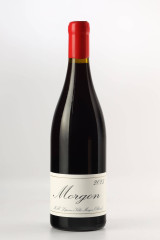
Beaujolais produced an early, high-quality vintage whose growing season the regional wine trade body compared with that of 2015, a vintage still regarded as a benchmark for its depth and finesse. Volumes are more modest, but Gamay produced wines with vibrant fruit, fresh acidity and fine tannins. Morgon, one of the region's ten crus, confirms its resurgence: its schist and volcanic soils yield structured reds, deeper and better suited to ageing than Beaujolais's sometimes lightweight image might suggest.
A pioneer of natural wine based in Villié-Morgon, Domaine Marcel Lapierre remains one of its benchmarks: a 100% Gamay Morgon, made with very little sulphur, with pure fruit and silky texture. It is a characterful, easy-drinking red that expresses both Gamay's generous appeal and the cru's potential. An excellent way to discover 2025 through a lively, accessible wine with character.
Ageing potential: enjoyable already; Morgon wines made for ageing will easily keep for five to eight years, or longer for the most structured.
Bordeaux experienced one of its earliest and hottest vintages, but late-summer rain brought the grapes to balanced ripeness. Yields were among the lowest ever recorded in Gironde, concentrating the juice. Growers report dense reds with ripe yet fresh tannins and moderate alcohol for such a sunny year — an aromatic intensity many compare with the excellent 2022. The dry whites of Graves, picked early, stand out for their brightness and clarity; in Sauternes, conditions favoured botrytis, the ‘noble rot’ behind great sweet wines. Success is clear at the top, but more uneven in lesser appellations: careful selection is therefore essential.
Among the year's benchmarks, Cos d'Estournel in Saint-Estèphe and La Conseillante in Pomerol embody this balance of density and tension, while Pichon Longueville Comtesse in Pauillac carries forward the fine tannic structure sought in the vintage. Among the sweet wines, the vintage's Sauternes promise sweetness and acidity in harmony, with very long ageing potential.
Ageing potential: the great reds are worth waiting five to fifteen years for; drink the dry whites while their freshness shines; the sweet wines can age for a very long time but are already approachable for their fruit.
Burgundy harvested healthy grapes, with low yields but widely praised quality. The regional wine trade body (BIVB) sums up the year well: a vintage for the cellar, to put aside while enjoying more approachable years. The reds show balance, concentration and promise; the whites combine appealing richness with elegance. In Chablis, Chardonnay retained its mineral tension despite the heat, producing concentrated juice from thick-skinned grapes — a sign of ageing potential.
In the Côte de Nuits, Domaine Armand Rousseau remains a benchmark for the finesse and depth of the year's great reds. For whites to lay down, Chablis offers one of the best combinations of precision, longevity and accessibility, well worth putting in the cellar without rushing to open it.
Ageing potential: drink village-level whites over the next few years, but wait for the grands crus; keep reds for five to fifteen years, depending on the appellation level.
The Rhône Valley harvested early in a vintage considered precocious, high-quality and balanced, with volumes slightly down. The northern Rhône promises great Syrahs in small quantities, dense and deep; in Châteauneuf-du-Pape, a hot summer tempered by the mistral produced harmonious reds with fine tannins and fresh whites. In Champagne, harvesting began as early as mid-August and yielded harmonious, elegant and expressive wines in moderate volumes. In the Loire, the early, healthy growing season produced lively, precise whites and light, easy-drinking reds.
In Châteauneuf-du-Pape, Clos des Papes remains a benchmark for balance and longevity when exploring the vintage in the southern Rhône. And to mark an occasion today, a Champagne from a leading house such as Dom Pérignon combines the year's ripeness with the freshness expected of a great cuvée.
Ageing potential: Champagne and Loire whites are already enjoyable; keep northern Rhône Syrahs for five to fifteen years; open Châteauneuf after a few years in the cellar.
2025 appeals to two kinds of buyer. For those wanting to drink well without waiting, Roussillon and Beaujolais offer generous, fresh wines for immediate enjoyment at moderate prices. For those building a cellar, Bordeaux, Burgundy and the Rhône offer concentrated, balanced reds from a small harvest that will reward patience. The smart approach is to mix the two, using the SoDivin Vintage Guide to compare 2025 with great years and choose bottles at the right time. Every bottle offered is assessed by experts and kept under our cellar conditions, so you can buy with confidence, whether it is a wine to open tonight or one to lay down for twenty years.