 /
/ 


















Receive our latest arrivals of 1967 Wine by email!
Sign up and be the first to know about new arrivals.

Would you like to create your own composition? Contact us!
 Contact us

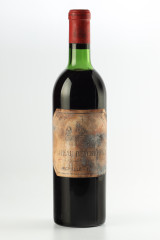
In 1967, it is the sweet wines that reign. The late September rains, followed by fine sunshine, established ideal noble rot (botrytis): Sauternes and Barsac produced one of the finest years of their decade, with rich, unctuous wines of remarkable freshness, built for ageing. Two bottles embody this success: Château Gilette Crème de Tête 1967, singular for its very long ageing in vat before bottling, and Château Suduiraut 1967, Sauternes 1er Cru Classé. The reds, meanwhile, play a secondary role: diluted by an abundant harvest and by the rains, they remained light and supple, with the right bank — Saint-Émilion and Pomerol, richer in merlot — clearly ahead of the Médoc. To place 1967 among the great sweet wine years, consult our Vintage Guide.
Read moreFiltrer
Products (29)
Sign up and be the first to know about new arrivals.
The 1967 vintage shines above all in Sauternes and Barsac, where climatic conditions allowed perfect botrytisation. This phenomenon of noble rot, born from a warm and misty October, gave birth to wines of exceptional concentration.
The 1967 Sauternes are among the finest of the entire 20th century: rich, luminous, perfectly balanced between sugar, acidity and freshness.
The absolute pinnacle is reached with the legendary Château d'Yquem 1967, rated 100/100 by many experts — a liquid gold wine with sumptuous texture and infinite finish. Alongside it, estates such as Château Gilette Crème de Tête 1967, Château Suduiraut 1967, Château Rieussec 1967, Château de Fargues 1967, Château Caillou 1967 and Lafaurie-Peyraguey 1967 have produced sumptuous, complex wines of phenomenal longevity.
The climate of the 1967 vintage was mixed. A favourable spring and a hot summer heralded a fine harvest, but September rains disrupted the ripening of red grapes. Conversely, these conditions favoured the development of botrytisation in the Sauternais, producing legendary 1967 sweet wines. In Burgundy and the Loire, the late-season coolness produced balanced and elegant 1967 white wines.
Yes, it is possible to enjoy certain 1967 wines, but this depends greatly on the producer, the appellation and the storage conditions. Grand crus from reputable estates or sweet wines may still offer gustatory interest, particularly when they have been stored in optimal conditions.
The 1967 vintage is a year of contrasts. A generous harvest and a rainy September diluted the red grapes, which produced light, supple wines of moderate ripeness — pleasant, but lacking the density of great years. The end of the month, sunnier, triggered ideal noble rot (botrytis) in the Sauternais: the 1967 sweet wines rank among the most successful of their decade, carried by a rare balance between richness and freshness. For the buyer, the reading is simple: target the sweet wines for ageing and emotion, the right bank of Bordeaux for reds to enjoy today. Beyond Bordeaux, the Rhône Valley produced one of its finest years and the Loire great sweet wines from chenin, while Burgundy and Champagne, more discreet, reserved their successes for the finest terroirs.
The Sauternais achieved its greatest vintage of the period in 1967. The late September rains, followed by fine sunshine, favoured the development of regular noble rot, which concentrated the grapes without weighing them down. The result is rich, unctuous sweet wines with a generous sweetness underpinned by an acidity that gives them brilliance and remarkable longevity. This is a profile built for long ageing, where the botrytis unfolds its aromas of honey, candied apricot and orange peel.
The benchmark of the vintage remains Château d'Yquem 1967, rated 100/100 by international critics and considered one of the greatest sweet wines ever produced. Alongside it, Château Gilette Crème de Tête 1967 occupies a singular place: aged for a long time in vat before bottling, it retains a disconcerting youthfulness. Château Suduiraut, Sauternes 1er Cru Classé, and Château Rabaud-Promis, also a 1er Cru Classé, complete the great sweet wines of the year, while Château Caillou delivers a livelier, more digestible Barsac.
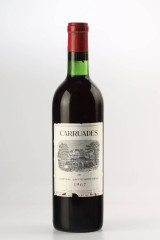
On the right bank, merlot withstood the September rains better than the cabernet of the Médoc. Saint-Émilion and Pomerol therefore produced the most accomplished reds of the year: supple, rounded and charming wines, with melted tannins and fruit still present. Without the depth of a great vintage, they offer immediate pleasure and a drinkability that age has rendered silky. These are the reds to seek out in 1967.
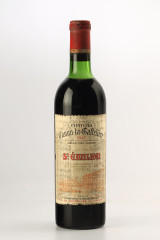
In Saint-Émilion, Château Pavie and Château Ausone, both Premiers Grands Crus Classés A, lead the hierarchy, surrounded by Château Troplong-Mondot and Château Canon-la-Gaffelière. In Pomerol, where merlot reigns supreme, the success is even more pronounced: Château L'Évangile and Château La Conseillante are fine ambassadors, alongside Château Nenin. The flagship estates of the appellation, Pétrus and Trotanoy, remain the benchmarks of the right bank in 1967.
On the left bank, cabernet sauvignon suffered more from dilution. The Médoc produced pale, fine and aromatic reds, but of light structure, now fully evolved. These are wines of elegance rather than power, marked by notes of cedar, blond tobacco and melted red fruits. The best-born and best-preserved retain genuine finesse, but the time is for drinking, not waiting.
Among the classified growths of the Médoc, Château Gruaud-Larose (Saint-Julien) and Château Rauzan-Ségla (Margaux) rank among the reliable values of the year, alongside Château Talbot, Beychevelle, Brane-Cantenac and Giscours. In Graves, Domaine de Chevalier, Cru Classé de Pessac-Léognan, stands out for its classicism and composure. These bottles offer a fine testament to the classic Bordeaux style of the 1960s, ideal as a first approach to old Médoc.
In Burgundy, 1967 is a lighter and more uneven vintage than the great 1966 that preceded it. A May frost reduced the harvest, a very hot July–August hastened ripening, then around ten days of rain in September diluted the grapes. The whites fared better than the reds: chardonnay proved more resilient and produced fine, balanced wines, while some pinot noirs, over-chaptalized at the time, aged prematurely. The best reds nonetheless retain genuine elegance.
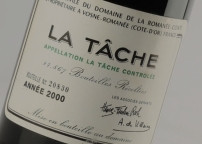
The Côte de Beaune, led by Volnay, produced the most successful reds, while in white, the Meursault, Puligny and Chassagne-Montrachet offer fine tension. Domaine Leflaive, in Puligny-Montrachet, embodies this success of the great whites, while Domaine de la Romanée-Conti, in Vosne-Romanée, remains the reference for age-worthy reds from the Côte de Nuits.
The Rhône Valley is one of the finest achievements of 1967, removed from the difficulties of northern France. A dry, sunny climate allowed full ripening: the reds are more structured and richer than in Bordeaux that same year. In the north, syrah produced deep Hermitage and Côte-Rôtie, with aromas of black fruit, leather and black olive; in the south, the Châteauneuf-du-Pape wines are generous, rounded and spiced.
Hermitage La Chapelle by Paul Jaboulet Aîné ranks among the benchmarks of the region in this period, alongside the Hermitage wines of Jean-Louis Chave, the Côte-Rôtie of Guigal and the Châteauneuf-du-Pape of Beaucastel. In our selection, the Châteauneuf-du-Pape from Bérard Père et Fils illustrates this southern success of the vintage.
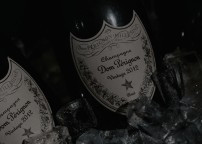
In Champagne, 1967 was not declared as a vintage by most houses. Winter frosts, followed by the development of grey rot, weighed on quality: the grapes fed mainly into non-vintage blends. The rare vintage Champagnes from 1967 are therefore sought-after pieces for lovers of old bubbles, with an evolved finesse and aromas of dried fruit and toasted bread. For an old bottle of Champagne, Dom Pérignon remains the reference house, vintage after vintage.
The Loire benefited from the same botrytis conditions as the Sauternais: 1967 is a great year for sweet chenin wines. The Coteaux du Layon, Quarts de Chaume and moelleux Vouvray from this vintage, sustained by the vibrant acidity of chenin, rank among the sweet whites best suited to very long ageing. Their sweetness remains held in check by a remarkable freshness, with aromas of quince, honey and candied fruits that gain in complexity over time.
Choosing a 1967 wine means choosing between two very different pleasures. On one side, the sweet wines of Sauternes and Barsac, the heart of the vintage, made for both ageing and emotion, led by a Yquem that has entered legend. On the other, the reds from the right bank of Bordeaux, supple and fully mature, to be opened for the pleasure of an accessible old wine. To compare 1967 with neighbouring vintages and refine your choice, consult the SoDivin Vintage Guide.


