 /
/ 










Receive our latest arrivals of 1946 Vintage wine by email!
Sign up and be the first to know about new arrivals.

Would you like to create your own composition? Contact us!
 Contact us

The 1946 vintage is a rare wine, born in the immediate post-war period, between the two legends that are 1945 and 1947. A cold and wet start to the year encouraged coulure and disease, but a hot, dry summer saved the harvest, yielding fine, upright wines that today display pure tertiary elegance. The Right Bank of Bordeaux and the finest terroirs produced the greatest successes, with Château Mouton Rothschild 1946 and Château Cheval Blanc 1946 as the most sought-after witnesses.
In 2026, the 1946 wine celebrates its 80th anniversary: it is the ideal 80th anniversary wine, as rare as it is moving to give as a gift.
Filtrer
Products (1)
Sign up and be the first to know about new arrivals.
The 1946 vintage is not a uniformly great year, but it offers some very fine wines from exceptional terroirs.
Yes, some wines from 1946 are still perfectly drinkable when they have been stored in good conditions.
The low production of the time and the losses related to time explain the great rarity of wines from 1946.
The 1946 vintage holds a distinctive place in the history of French wine. It came in the immediate post-war period, when wine estates were slowly emerging from shortages and constraints on labour and materials, while regaining some agricultural stability. Weather conditions in 1946 varied considerably between regions: a relatively cool spring was followed by a more favourable summer, allowing the grapes to ripen gradually. Yields remained moderate, sometimes low, but fruit quality proved satisfactory in several major terroirs.
The effect on ripeness depended heavily on soil and exposure. The best-situated vineyards produced balanced wines, supported by firm acidity and moderate alcohol levels. The overall style of the 1946 wines favours finesse, precision and honest expression, far removed from the opulent profiles of great sun-drenched vintages. Historically, this vintage is now valued more for its heritage and emotional significance than for any universal acclaim. When stored in good conditions, some 1946 wines still show remarkable resilience, their ageing potential now fully realised and offering a valuable glimpse into the passage of time.
In Bordeaux, a harsh winter and late spring delayed the growing cycle before a warm summer allowed gradual ripening — but rain in the first half of September and a harvest beginning on 7 September meant some grapes were underripe. Overall quality is considered average to poor, with wines often light in concentration. The 1946 reds have a fine structure, tannins that have now fully softened and tertiary aromas of leather, tobacco and undergrowth. The Right Bank, in Saint-Émilion and Pomerol, produced the finest wines, thanks to rigorous selection and Merlot being better suited to the year than Cabernet.
In stock in our cellar, Château Mouton Rothschild 1946 remains the most emblematic Bordeaux wine of the vintage. On the Right Bank, Château Cheval Blanc and Petrus 1946 are among the most sought-after bottles, while Château Latour, alongside Margaux and Léoville Las Cases, embodies the Médoc’s consistency in a difficult year.
In Burgundy, a more favourable summer in 1946 than in 1945 allowed Pinot Noir and Chardonnay to ripen more evenly. The limestone soils helped regulate water availability, yielding healthy grapes despite modest yields. The wines are distinguished by delicate structure, lively acidity and aromas now dominated by dried fruit, humus and gentle spice. Chablis, more precise and expressive than average, was among the most successful areas of the vintage.
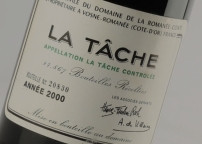
Domaine de la Romanée-Conti and Armand Rousseau from 1946 are, alongside Leroy and Comte Georges de Vogüé, among the very few producers whose bottles from that year merit collectors’ attention — testament to the ability of Burgundy’s great terroirs to age gracefully for decades, even in less exceptional years.
In the Rhône Valley, 1946 was more favourable in the north than in the south. Moderately warm summers allowed Syrah to ripen adequately on northern granite terroirs, while Grenache sometimes lacked concentration in southern areas. The wines stand out for their aromatic finesse, softened tannins and still-perceptible freshness; the northern crus have fully demonstrated their ageing potential.
The 1946 Hermitage from Domaine Jean-Louis Chave, grown on the granite slopes of Tain, exemplifies the northern Rhône’s success in this vintage, alongside Côte-Rôtie from Guigal and Jamet and Châteauneuf-du-Pape from Rayas. These bottles, now extremely rare, appeal more for their balance and clarity of expression than for their power.
In Champagne, 1946 brought difficult conditions and uneven ripeness; yields remained low, and few houses declared a vintage. The surviving 1946 vintage Champagnes are now extremely rare: their highly evolved style — dried fruit, honey, toast and a vinous texture — makes them collectors’ bottles. Krug 1946, alongside Bollinger, Pol Roger and Louis Roederer, is among the few bottles from this era still sought after at auction, prized more for their historical and emotional significance than for drinking.
Looking for a fine 1946 wine? Want to give a 1946 wine as a gift, or simply enjoy one yourself? Explore our unique cellar and find your bottle. A fine wine from someone’s birth year makes an original, memorable gift. A wedding anniversary, the year you met, a retirement gift… So many occasions to mark with a vintage wine.
A 1946 wine is the perfect gift for an 80th birthday.