 /



















Receive our latest arrivals of 1974 Wine by email!
Sign up and be the first to know about new arrivals.

Would you like to create your own composition? Contact us!
 Contact us

1974 was one of Bordeaux’s most difficult years of the decade: after a promising summer, September rain swelled the grapes and diluted the harvest, producing reds that are often light and lacking concentration. But this vintage rewards buyers who choose by producer rather than by year. Graves and Pomerol fared better than the Médoc, and a handful of exceptional terroirs produced wines that remain fresh and enjoyable: Château Latour 1974 remains one of the year’s most accomplished successes, while La Mission Haut-Brion 1974 shows what a great Pessac-Léognan terroir can achieve in a difficult year. This is a vintage to approach one estate at a time, ideal for marking a birth year or a special date. To see how 1974 compares with other vintages, consult the Vintage Guide.
Filtrer
Products (15)
Sign up and be the first to know about new arrivals.
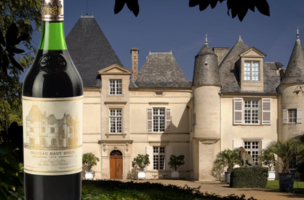
Yes, provided you choose carefully. 1974 was never a great year: rain during the harvest diluted most of the reds, and time has taken its toll on the more fragile wines. The appeal lies in a small number of estates whose terroir and rigorous selection have helped their wines stand the test of time, particularly in Graves and Pomerol. A name such as Château Haut-Brion shows how the finest terroirs have endured where the average wine from that year has declined. This is a purchase for the connoisseur, to be judged bottle by bottle rather than on the vintage alone.
For many, the drinking window has passed: made from grapes that struggled to ripen, ordinary 1974 reds are now tired and should be approached with caution. The exceptions come from the finest terroirs and impeccably stored bottles, where the wines had enough substance to last through the decades. They are enjoyed for the experience of drinking an old wine, with tertiary aromas of leather, forest floor and tobacco, rather than for their power. The best-preserved Bordeaux classified growths remain the safest choices from the vintage. Carefully checking the fill level, colour and cork is essential before buying.
To celebrate someone born in 1974 — turning fifty-two in 2026 — the choice depends as much on the sentiment as on the condition of the bottle. A perfectly preserved classified growth from Graves or a fine Pomerol makes a particularly meaningful gift: it honours the year and can be saved for a special occasion. Our birth-year wines bring together bottles suited to occasions like these, from birthdays to retirements. In every case, a high fill level in the neck and impeccable provenance are more reliable guides than the vintage itself.
The 1974 vintage was one of the truly difficult years of the decade in France. An encouraging spring and early summer had raised hopes of a return to form after two lacklustre years, but repeated rain in September and October swelled the grapes and diluted the harvest at the crucial moment. The result was a plentiful but thin harvest, with quality depending above all on the winemaker’s skill and the rigour of selection. This is not a year to seek out for power, but it still offers the occasional characterful bottle from the finest terroirs — and, for buyers, an ideal hunting ground for a birth-year wine or a special date.
In Bordeaux, September’s rain did the sorting for the winemakers: Médoc reds, often light and green, rarely have the depth of great years. Attention turns instead to the early-ripening, well-drained terroirs of the Right Bank and Graves, which resisted dilution better. Pomerol, helped by its Merlot, produced the year’s fullest-bodied bottles, while Pessac-Léognan offers wines with taut elegance. The sweet wines of Sauternes fared slightly better than the reds, without reaching great heights. Here more than anywhere, the name on the label matters more than the year beside it.
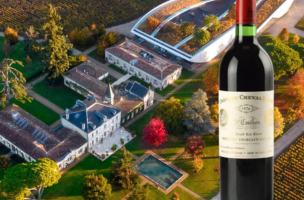
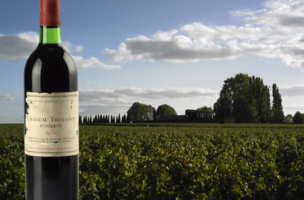
In Pomerol, Château Trotanoy is regarded as the appellation’s finest success in this vintage, concentrated and surprisingly ripe for the year. In Saint-Émilion, Château Cheval Blanc remains the benchmark, its terroir and expertise transcending weaker years. In Graves, Château Pape Clément is among the classified growths worth seeking out, while on the Left Bank Château Pichon Longueville Baron shows what rigorous winemaking at a great Pauillac estate could still achieve. These few names, more than the appellation alone, make Bordeaux 1974 worth exploring.
Ageing potential: limited to grands crus from Graves and Pomerol with perfect fill levels; wines to savour for the occasion, to be opened without delay after inspecting the bottle
Burgundy was not spared: at times torrential rain made harvesting difficult and left the grapes with excessive acidity. Overall quality was poor, so much so that some estates chose not to bottle their wines. The whites fared a little better than the reds, with slightly fruitier wines, but overall they lack body and length. This is a vintage where only the pedigree of a truly great estate, coupled with impeccable storage, can still justify opening a bottle.
In these circumstances, only the finest climats of the Côte de Nuits and Côte de Beaune warrant attention: in sound bottles, their best cuvées retain a trace of the finesse of their terroirs. To explore the region’s leading producers, our Burgundy wines bring together estates whose names remain a guide even in the most challenging years. Buying a 1974 is more a matter of collecting a piece of history than seeking immediate drinking pleasure.
Ageing potential: limited to impeccably stored grands crus from leading estates; drink without delay.
The Rhône Valley produced mixed wines from disappointing grapes. The north suffered most: Syrah struggled to ripen, and many cuvées have the diluted, easy-drinking character of wet years. The south fared a little better, thanks to producers who sorted their grapes rigorously and made fairly satisfying reds. Overall, though, it remains a minor vintage, best approached for the pleasure of discovery rather than for ageing.
A few northern Syrahs from the most conscientious producers have nevertheless survived the decades: a house such as Paul Jaboulet Aîné remains the benchmark for anyone seeking a northern red from this vintage that is still showing signs of life. In the south, the great estates of Châteauneuf-du-Pape made the best of unpromising fruit through rigorous selection. In both cases, each bottle must be judged on its merits, with fill level and provenance foremost in mind.
Ageing potential: a few northern Syrahs and carefully selected southern reds remain enjoyable; check the fill level and serve soon.
Champagne first suffered late-March frosts, which damaged more than 1,500 hectares in the Aube and the Montagne de Reims. Pinot Meunier proved light, and Pinot Noir was the only grape variety to give real cause for satisfaction. With ripeness neither sufficient nor consistent, very few major houses chose to produce a vintage cuvée in 1974. In Champagne, then, the year remains more of a collector’s curiosity than a great vintage.
For anyone seeking a sparkling bottle from 1974, the choice is limited to rare bottles from houses that dared to declare the vintage, best reserved for enthusiasts seeking that particular year. Our Champagnes bring together leading houses whose vintage cuvées from great years merit quite different attention. With 1974, caution and a careful inspection of the bottle are essential before buying.
Ageing potential: more a collector’s curiosity than a wine for drinking pleasure; only worth trying if the bottle has been impeccably stored.
In Alsace, the year brought a harvest limited in both quantity and quality, producing wines often marked by acidity and with little ageing potential. Yet, across France, it was one of the regions whose white wines suffered least from the vintage. The wines were generally crisp and lively, made for early enjoyment rather than cellaring. Half a century later, their appeal is chiefly historical, for enthusiasts with an attachment to that particular year.
For a vintage like this, look to the more structured grape varieties — Riesling and Pinot Gris from good producers — and bottles with impeccable storage histories. Our Alsace wines showcase the region’s leading producers, whose wines from great years reveal an altogether different ageing potential. As for 1974, these whites are best opened out of curiosity, and without delay.
Ageing potential: most are past their peak; open for the story, not for further ageing.
Buying a 1974 wine means accepting a difficult year and focusing on its exceptions: a Pomerol grand cru with well-preserved Merlot fruit, a Graves with taut elegance, a distinguished Saint-Émilion or a rare Burgundy from the finest climats. Every bottle in our selection is assessed by experts, checked for authenticity and provenance, then stored under controlled conditions until dispatch. To compare years and refine your choice, consult the SoDivin Vintage Guide.
Our team will help you choose the bottle best suited to your occasion and check its fill level and condition with you before dispatch. Secure packaging, fast delivery and high-definition photography: everything is designed to help you buy an old wine with confidence.