 /
/ 



















Receive our latest arrivals of Biodynamics by email!
Sign up and be the first to know about new arrivals.

Would you like to create your own composition? Contact us!
 Contact us

Biodynamics is a natural viticultural approach that harmonises the vine with lunar cycles and preparations derived from plants and minerals. This demanding method, based on strict specifications, aims to reveal the purest expression of the terroir. Great estates such as Chapoutier, Leflaive and Romanée-Conti are its ambassadors. In Bordeaux, many châteaux – including Pontet-Canet, certified in 2010 – now embrace this philosophy.
Filtrer
Products (168)
Sign up and be the first to know about new arrivals.
Some GREAT ESTATES in Biodynamics....
A biodynamic wine is produced from grapes cultivated according to the principles of biodynamic viticulture. This approach considers the vineyard as a living organism, interacting with its environment and natural cycles, particularly lunar. It excludes synthetic chemical products and favours natural preparations designed to strengthen the vitality of the soil and the vine. In the cellar, intervention is generally measured in order to preserve the authentic expression of the terroir and the vintage.
An organic wine complies with specifications prohibiting synthetic pesticides and chemical fertilisers. Biodynamics goes further by integrating a holistic and energetic dimension of the vineyard. It requires the use of specific preparations, a calendar of interventions based on natural cycles and the pursuit of overall balance of the estate. All biodynamic wines are organic, but not all organic wines are biodynamic.
Choosing a biodynamic wine means favouring a demanding approach that aims to reveal the purest expression of the terroir. Enthusiasts often appreciate the aromatic precision, natural freshness and sense of energy that these wines convey. Biodynamics promotes living soils and deep root penetration of the vine, contributing to a balanced maturity of the grapes and a remarkable ageing potential for the great cuvées. It is also a committed choice in favour of environmentally friendly and sustainable viticulture.
Biodynamic wines today occupy a major place in the world of great vintages and exceptional estates. More than just a cultivation method, biodynamics is a comprehensive philosophy that aims to strengthen the vitality of soils, the balance of the vine and the purest expression of the terroir. Adopted by some of the greatest French estates, this practice appeals to discerning enthusiasts seeking authentic, precise wines that are deeply rooted in their origin.
In a context where the search for naturalness and respect for the environment is becoming central, biodynamic wines are establishing themselves as a qualitative benchmark. Their identity is based on attentive viticulture, controlled yields and a refined understanding of natural cycles.
Biodynamics is an agricultural method inspired by the work of Rudolf Steiner in the 1920s. It considers the vineyard as a living organism, integrated into its environment and influenced by cosmic rhythms, particularly lunar ones. In biodynamic viticulture, every intervention in the vineyard – pruning, treatments, harvests – is planned according to a precise calendar aimed at optimising the energy and natural balance of the plant.
Unlike conventional agriculture, biodynamics excludes synthetic chemical products. It is based on the use of natural preparations made from plants, minerals and specific composts, designed to stimulate the microbial life of soils and strengthen the natural resistance of the vine. The objective is not only to produce healthy grapes, but to reveal with finesse the identity of the terroir.
The practice of biodynamics in vineyards is based on several essential pillars. Working the soils encourages deep rooting of the vine and microbial biodiversity. Biodynamic preparations, such as the famous horn manure or horn silica, are applied in homeopathic doses to energise the soils and the plant.
Biodiversity occupies a central place. Hedgerows, trees, cover crops and the presence of animals contribute to the natural balance of the estate. This diversity limits diseases, encourages natural pest regulation and contributes to the aromatic richness of the grapes.
In the cellar, the vinification of biodynamic wines tends towards minimal intervention. Indigenous yeasts are favoured, extractions are gentle and the use of sulphur is often reduced. The objective remains constant: to preserve the purity of the fruit and the readability of the terroir.
Wines produced using biodynamics are often distinguished by their aromatic intensity and precision. Enthusiasts often speak of a sensation of energy, vibration and depth. Reds display finer tannins, a silky texture and a vibrant fruity expression. Whites seduce with their tension, minerality and saline length.
This qualitative perception is explained by the vitality of the soils and the balanced ripeness of the grapes. By encouraging deep rooting and microbial life, biodynamics enables better nutrient absorption and a more nuanced expression of geological characteristics.
Great biodynamic wines also possess remarkable ageing potential. Their natural balance, preserved acidity and the quality of their raw materials give them the ability to evolve harmoniously over several decades for the most ambitious cuvées.
Biodynamic viticulture is regulated by recognised certification bodies such as Demeter or Biodyvin. These labels impose strict specifications, going beyond the requirements of organic agriculture. Controls cover both cultivation practices and vinification.
Over the years, biodynamics has become established in France's greatest wine regions. Bordeaux, Burgundy, the Rhône Valley, Loire and Alsace now count numerous certified estates. This international recognition testifies to the credibility and rigour of this approach.
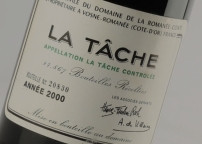
Several emblematic estates have played a decisive role in the recognition of biodynamic wines. In Burgundy, Domaine Leflaive was one of the pioneers in the 1990s, helping to demonstrate that biodynamics could sublimate the greatest terroirs of Puligny-Montrachet. Domaine de la Romanée-Conti has also adopted these practices, reinforcing the image of excellence associated with biodynamics.
In the Rhône Valley, Michel Chapoutier committed to this path very early on, progressively converting all of his vineyards. Domaine Zind-Humbrecht in Alsace is also among the pioneers, as is Château Pontet-Canet in Pauillac, the first grand cru classé of the Médoc to obtain biodynamic certification.
In the Loire, Domaine Huet in Vouvray has helped to popularise this demanding approach, demonstrating that biodynamics adapts equally well to great age-worthy whites and sparkling wines. These pioneering estates have paved the way for many other producers convinced of the relevance and depth of this method.


