/






















Receive our latest arrivals of 1983 Wine by email!
Sign up and be the first to know about new arrivals.

Would you like to create your own composition? Contact us!
 Contact us
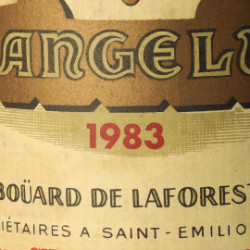
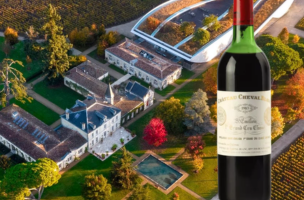
The 1983 vintage long lived in the shadow of the legendary 1982, undeservedly so: a hot summer followed by a dry autumn produced a great classic year with a firm tannic structure, though careful selection by commune is essential. The hierarchy is clear. Margaux is at the top, often judged better than 1982, ahead of a strong Right Bank in Saint-Émilion and Pomerol and some fine Saint-Julien wines; the year's sweet wines are superb, from Sauternes to Alsace's late-harvest wines, while the northern Rhône Valley produced its best vintage since 1978. A standard-bearer for the year, Château Margaux 1983 narrowly leads the elegant Château Cheval Blanc 1983 on the Right Bank. To see how 1983 compares with other years and refine your choice, consult the SoDivin Vintage Guide.
Filtrer
Products (27)
Sign up and be the first to know about new arrivals.
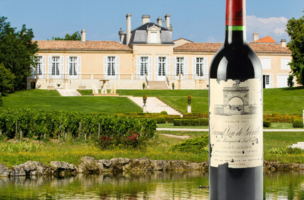
The finest bottles of 1983 are found first and foremost in the Margaux appellation, whose gravelly, well-drained soils coped better with the damp August weather: Château Margaux and Château Palmer are two benchmarks from the year. The Right Bank follows closely, with Cheval Blanc in Saint-Émilion and the great Pomerols. In Saint-Julien, Château Léoville Las Cases exemplifies the structure and ageing potential of this classic vintage. Beyond Bordeaux, the northern Rhône Valley (Hermitage, Côte-Rôtie) and Alsace’s late-harvest and noble-grain wines rank among the year’s highlights. In every case, 1983 rewards careful selection, growth by growth.
It all depends on what you are looking for. 1982 remains the spectacular, rich and generous vintage, acclaimed across the Bordeaux wine region. 1983 is more classic, with firmer acidity and tannins, and calls for more careful selection - but in the Margaux appellation, it often surpasses 1982 and represents the commune’s finest achievement of the decade. For a dependable purchase, focus on Bordeaux classified growths from the best-situated communes. In short: 1982 for immediate power, 1983 for the classic elegance of Margaux at its best.
Yes, and it is a dependable choice for a gift. At 43 years old, most of the great 1983 reds have reached maturity and are a pleasure to drink, making them a birth-year wine ready to open. For a celebratory bottle, choose a well-structured Margaux, a fine Right Bank wine or an Hermitage from the northern Rhône, all made to last. Alsace’s sweet late-harvest and noble-grain selection wines offer a rare alternative that is easy to share. Simply check the bottle’s fill level and provenance before buying.
A hot summer, a humid August that brought a risk of rot, then a dry autumn that saved the best areas: 1983 is a mixed year, with quality depending on the commune and producer. Here is how to buy wisely, region by region, according to the style you seek and its ageing potential.
In Bordeaux, 1983 was a good to very good year, long overshadowed by 1982. The hot, humid summer encouraged overripening but also some pockets of rot; dry weather in September and October turned things around and allowed great wines to be made where sorting was rigorous. High yields diluted the less ambitious wines, so most reds are now at their peak. Margaux is the exception: its well-drained gravel soils coped better with the humidity, and the commune is considered the year's standout for reds, often ahead of 1982.
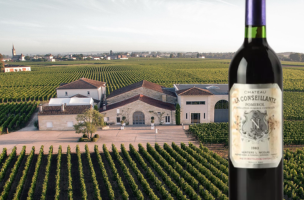
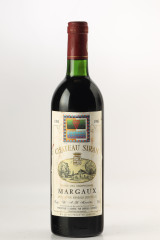
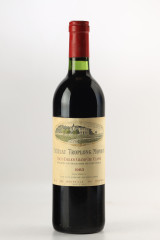
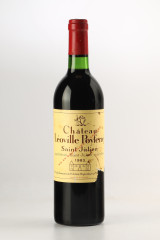
Château Margaux and Château Palmer lead the appellation, followed in Margaux by Château Giscours 1983 and Château Kirwan 1983. On the Right Bank, Château La Conseillante 1983 in Pomerol and Château Troplong Mondot 1983 in Saint-Émilion offer richness and finesse, alongside Cheval Blanc. The Médoc adds some fine Saint-Julien wines, including Léoville Las Cases and Beychevelle, as well as Duhart Milon in Pauillac and Meyney in Saint-Estèphe; in Pessac-Léognan, there are Smith Haut Lafitte and de Fieuzal. The sweet wines of Sauternes were also remarkable that year — the region's best vintage since 1975 — a profile echoed here by Alsace's great bottles.
Ageing potential: at 43 years old, most 1983s are at their peak and ready to drink; the best-structured Margaux wines and classified growths will hold for a few more years — check fill level and provenance before buying.
1983 is an exceptional vintage in Alsace. The warm, dry autumn produced intense, concentrated wines and, above all, allowed botrytis to develop late — the ‘noble rot’ that shrivels the grape and concentrates its sugars. The region thus produced one of its greatest years for late-harvest wines (made from overripe grapes) and selections of noble grains (sorting only botrytised grapes, berry by berry), among the world's finest sweet wines. For buyers, it offers an accessible, reliable introduction to wines for ageing: rich yet balanced bottles that are easy to appreciate and share.
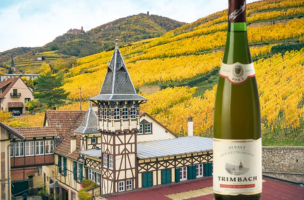
Trimbach offers two complementary expressions: the Cuvée Frédéric Emile Vendanges Tardives 1983, a taut Riesling whose sweetness is underpinned by firm acidity, and the Gewurztraminer Sélection de Grains Nobles 1983, more opulent and spicy, praised by international critics. The house's pure style keeps the sweetness from feeling heavy: these wines retain remarkable freshness despite the passing decades.
Ageing potential: these late-harvest and noble-grain wines can keep for decades; now mature, they can be enjoyed without delay — a reliable choice to give or to open.
The northern Rhône Valley was the great success of 1983. After a rainy start to summer, heat and drought shaped dense, deep reds with powerful tannins, built for very long ageing — the best vintage since 1978, according to Decanter. Hermitage leads the way, followed by impressive Côte-Rôtie and Crozes-Hermitage; the whites showed more freshness than in 1982. The south produced good wines without reaching the north's standard.
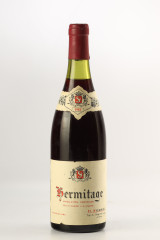
On the hill of Hermitage, Domaine Marc Sorrel 1983 exemplifies this deep, structured style: a Syrah made for ageing whose tannins have now softened. It is the kind of bottle to favour from this vintage, offering concentration, complexity and length from an appellation that performed particularly well.
Ageing potential: the best 1983 Hermitage wines were made for very long ageing and remain vibrant; the vintage's more modest wines should be opened without delay.
Burgundy 1983 is a vintage in which careful selection is paramount. Hailstorms in May in Vosne-Romanée, Chambolle-Musigny and Nuits-Saint-Georges, followed by late-summer rain that encouraged rot in Gevrey-Chambertin, made it a highly uneven year: only producers who sorted rigorously avoided musty notes. Drought also produced rich, full-bodied wines with high alcohol and pronounced tannins. The greatest reds are concentrated in the Côte de Nuits; the whites, opulent and sometimes affected by botrytis, are generally ready to drink. The Côte de Beaune was more consistent.
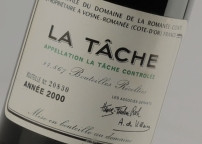
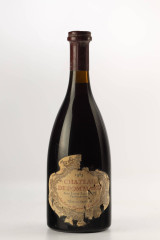
The year's pinnacle is Domaine de la Romanée-Conti, La Tâche 1983, a Vosne-Romanée grand cru that embodies the depth the Côte de Nuits could achieve in this vintage. For a more accessible, reliable introduction, Domaine Jacqueson, Les Nauges 1983 from Mercurey offers a fruity, straightforward Pinot Noir and a good entry point to the year. Elsewhere, the producer's name matters more than the appellation: it is the key to buying well in 1983.
Ageing potential: choose this vintage by producer; the great reds of the Côte de Nuits are still holding up, but most 1983 Burgundies are ready to drink — check provenance and fill level.
1983 rewards the methodical buyer: seek out Margaux and Bordeaux's best classified growths, the Right Bank for richness, northern Rhône Hermitage for ageing, and Alsace late-harvest and noble-grain wines for a rare, reliable sweet wine. As the reds are largely mature, always check fill level and provenance. To compare 1983 with other great years and put together your selection, consult the SoDivin Vintage Guide.