 /










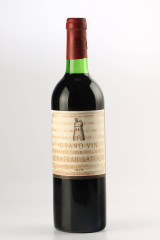
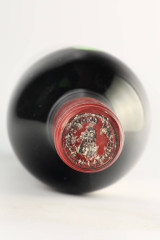
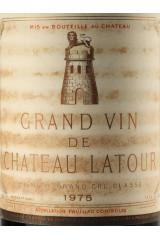
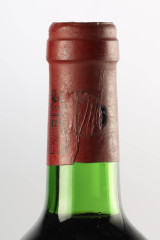
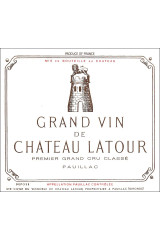

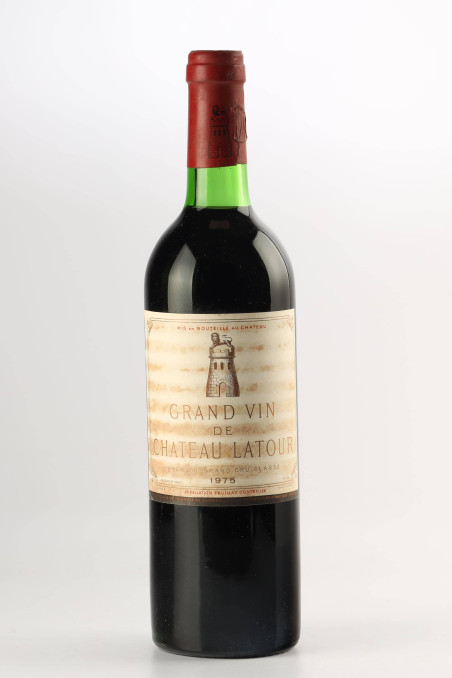
If several bottles are in stock, the photo is non-contractual and illustrates the condition of the bottle.

-
-
-
-
- 1735
- 1748
- 1860
- 1863
- 1879
- 1893
- 1895
- 1897
- 1900
- 1903
- 1904
- 1905
- 1906
- 1908
- 1911
- 1912
- 1913
- 1914
- 1918
- 1920
- 1921
- 1922
- 1923
- 1924
- 1926
- 1927
- 1928
- 1929
- 1930
- 1931
- 1932
- 1933
- 1934
- 1935
- 1936
- 1937
- 1938
- 1939
- 1940
- 1941
- 1942
- 1943
- 1944
- 1945
- 1946
- 1947
- 1948
- 1949
- 1950
- 1951
- 1952
- 1953
- 1954
- 1955
- 1956
- 1957
- 1958
- 1959
- 1960
- 1961
- 1962
- 1963
- 1964
- 1965
- 1966
- 1967
- 1968
- 1969
- 1970
- 1971
- 1972
- 1973
- 1974
- 1975
- 1976
- 1977
- 1978
- 1979
- 1980
- 1981
- 1982
- 1983
- 1984
- 1985
- 1986
- 1987
- 1988
- 1989
- 1990
- 1991
- 1992
- 1993
- 1994
- 1995
- 1996
- 1997
- 1998
- 1999
- 2000
- 2001
- 2002
- 2003
- 2004
- 2005
- 2006
- 2007
- 2008
- 2009
- 2010
- 2011
- 2012
- 2013
- 2014
- 2015
- 2016
- 2017
- 2018
- 2019
- 2020
- 2021
- 2022
- 2023
- 2024
- 2025
-
-
-
-
 Guides of Vintages
-
-
-
-
-
Châteaux
- Angelus
- Ausone
- Beychevelle
- Branaire Ducru
- Calon Segur
- Cheval Blanc
- Cos d'Estournel
- Coutet
- Ducru Beaucaillou
- Figeac
- Giscours
- Grand Puy Lacoste
- Gruaud Larose
- Haut Brion
- La Conseillante
- La Fleur Petrus
- La Mission Haut Brion
- Lafite Rothschild
- Lafleur
- Latour
- Leoville Las Cases
- Lynch Bages
- Margaux
- Montrose
- Mouton Rothschild
- Pavie
- Petrus
- Pichon Longueville Baron
- Pichon Longueville Comtesse
- Pontet Canet
- Rayne Vigneau
- Talbot
- Yquem
-
-
-
-
MAGNUMS
-
-
-
-
-
Producers
- Bouchard Père Et Fils
- Domaine Armand Rousseau
- Domaine Arnoux Lachaux
- Domaine Bernard Dugat Py
- Domaine de la Romanée Conti
- Domaine des Comtes Lafon
- Domaine Des Lambrays
- Domaine Dujac
- Domaine Georges Roumier
- Domaine Jean Grivot
- Domaine Leflaive
- Domaine Méo Camuzet
- Domaine Mongeard-Mugneret
- Jean Louis Trapet
- Maison Louis Jadot
- Mommessin
-
-
-
-
MAGNUMS
-
-
-
-
-
-
-
MAGNUMS
-
-
-
-
-
-
MAGNUMS
-
-
-
-
-
-
-
MAGNUMS
-
-
-
-
-
Guides of Vintages
-
-
-
-
-
-
-
-
Assortments by Region
-
Current Assortments
-
Selections by price
-
-
Create your own assortment
Would you like to create your own composition? Contact us!
-
-
-
-
-
-
Guides of Vintages
-
 Contact us
1975
CHÂTEAU LATOUR 1975
To drink between 1990 and 2035
Quite similar to the 1955 and 1947 vintages, the Château Latour 1975 develops a thick and silky texture with a beautiful robe. Various aromas affirm the masculinity of the wine. A pleasant Château Latour to taste.
Read more
Other vintages of Château Latour in stock:
Do you have a copy to sell?
Get the best market price offer.
Contact us
expert's opinions

Fascinating aromas of plums, minerals and mint, with a hint of peat. Medium- to full-bodied, with firm tannins and a long finish. Plenty of life left in it. This was rather controversial at the NY tasting, but I loved it.
Read more

Firm, masculine and old school in style, the wine offers what you'd expect in an older Pauillac, with its cassis, lead pencil, tobacco, cigar box and earthy character. There is depth to the fruit, along with some roughness to the tannins, but that does not take anything away from its charm. The wine is mature and ready to drink.
Read more

1975 was a great vintage apart from rains in mid-September and into the harvest period. Brick coloured, the 1975 Latour has a mature nose of fallen leaves, tobacco, figs and oolong tea with a savoury/meaty core and wafts of dried fruitcake. The palate is medium-bodied, elegant, refreshing and softly textured with a long, mineral-laced finish.
Read more

Wonderful combination of oyster-shells aroma and lovely rich, fully evolved, complex fruit that is recognisably Ch Latour. The tannins have disappeared. Long, layered. Really mature, even in the big bottle. My favourite wine of this tasting, though I'm sure it would have shown even better had the bottle been freshly opened.
Read more
Product specifications
Vintage
Wine
1975
Classification
Médoc - 1er Cru Classé
Region
Bordeaux
Appellation
Pauillac
Colour
Red
Volume
0.75 l
Country
France
Alcohol content
13.00% vol
Château informations
Château Latour is one of the most iconic estates of the Pauillac appellation and a founding reference in the history of Bordeaux viticulture. Its name appears as early as the 14th century, linked to the presence of a watchtower on the Gironde estuary, whose proximity still profoundly shapes the identity of the vineyard. As early as the 18th century, the wines of Château Latour were recognised for their consistency and their capacity for ageing, establishing themselves among the greatest wines of the Médoc.
Classified as a Premier Grand Cru Classé in the official 1855 classification, Château Latour holds a central place at the very top of the Bordeaux hierarchy. The estate is built on a particularly homogeneous terroir of deep gravels, dominated by Cabernet Sauvignon, which lends the wines a powerful structure, remarkable depth and a great consistency of expression.
The signature of Château Latour is defined by a dense tannic architecture and an exacting construction, favouring precision and longevity over immediate seduction. The estate has withdrawn from en primeur sales: it keeps its bottles at the property and releases them only at maturity. This patience is evident in its legendary years — from the 1945 vintage to the wine of 1961, from 1982 to 1990 through to 2009 — all of which illustrate the estate's ability to express with consistency the excellence of the Pauillac terroir and the singularity of its style.
You will also like