 /
/ 

























Receive our latest arrivals of 2009 Wine by email!
Sign up and be the first to know about new arrivals.

Would you like to create your own composition? Contact us!
 Contact us

Bathed in sunshine from spring through to harvest, the 2009 vintage ranks among the decade’s most generous. Heat and dry weather brought the grapes to full ripeness, producing opulent wines with velvety texture and rounded tannins, appealing when young but built to age. In Bordeaux, both banks reached exceptional heights, particularly Saint-Estèphe and Pomerol; Château Cos d’Estournel produced one of the greatest wines in its history. But the success extends beyond the Gironde: in the northern Rhône, Côte-Rôtie and Hermitage rival the greatest vintages, while Domaine Guigal takes Syrah to its zenith. To see how 2009 compares with other years and refine your choice, consult the SoDivin Vintage Guide.
Read moreFiltrer
Products (37)
Sign up and be the first to know about new arrivals.
Across France, 2009 ranks among the century’s great sun-drenched vintages. A mild spring, a hot, dry summer and ideal late-season weather brought the grapes to full ripeness in remarkably healthy condition. The result is generous, rich, velvety wines, appealing in their youth yet with genuine ageing potential. Its success extends far beyond Bordeaux: the northern Rhône, Burgundy, Champagne and the South all benefited. It is a vintage that is easy to love and dependable for cellaring, with the quality of the terroir the first consideration when choosing a bottle.
In Bordeaux, 2009 ranks among the greatest modern vintages. A hot, dry summer followed by an ideal end to the season brought the grapes to exceptional ripeness. The resulting wines are generous and profound, with velvety texture and ripe tannins, their high alcohol levels held in fine balance. Both banks excel, each in its own way: the left bank brings structure and definition, the right bank exuberant fruit. Saint-Estèphe and Pomerol produced some of the year’s finest bottles, with the latter appellation perhaps enjoying its greatest modern vintage.
In Saint-Estèphe, Château Montrose reached an exceptional level in 2009, with power held in check. In Pessac-Léognan, the great wines combine sun-ripened fruit with mineral freshness, while in Pomerol Château Lafleur exemplifies the right bank’s velvety density. The ripe, fleshy Cabernets of the Médoc yield Pauillacs and Saint-Juliens built for long ageing. In Sauternes, the year’s warmth produced rich, balanced sweet wines supported by fine acidity: Château d’Yquem sets the standard, combining opulent sweetness with aromatic brilliance.
Ageing potential: second wines and right-bank wines are opening up now; allow ten to twenty years for the first growths and great sweet wines, checking the fill level and condition of the cork.
In the northern Rhône, 2009 was an outstanding success. Abundant sunshine and perfectly ripe grapes produced dense, fleshy, profound Syrahs that winemakers readily compare with the great 1990 vintage. Côte-Rôtie is generous and open, Hermitage magnificent and profound; Cornas follows suit. The more uneven whites require greater selectivity. In the south, Châteauneuf-du-Pape offers rich, full wines from low yields. For SoDivin, this is one of the vintage’s standout regions.
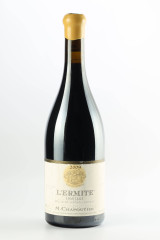
In Hermitage, M. Chapoutier takes 2009 to exceptional heights with its remarkably concentrated single-vineyard cuvées. In Côte-Rôtie, the great hillside Syrahs combine ripe fruit and supple tannins in some of the year’s finest expressions. Further south, Château Rayas and its family of wines carry this sun-ripened character into a southern, Grenache-led style. Those looking to cellar wine will find bottles for the very long term alongside more approachable cuvées to open sooner.
Ageing potential: Saint-Joseph and Crozes-Hermitage are ready to drink within five to eight years; the great Côte-Rôtie, Hermitage and Cornas wines are only just entering their drinking window and will last for decades.
In Burgundy, 2009 produced ripe, fleshy reds with immediate appeal, generous fruit and supple tannins. Perfectly healthy grapes and excellent ripeness won widespread praise, although sometimes moderate acidity makes the most structured terroirs the best choice for long ageing. The Côte de Nuits stands out: Gevrey-Chambertin, Morey-Saint-Denis and Vosne-Romanée offer profound grands crus, some rivalling 2005. The whites are more variable and call for careful selection, as Burgundy’s wine trade body, the BIVB, points out.
In Gevrey-Chambertin, Domaine Bernard Dugat-Py expresses the vintage through dense, velvety wines that are benchmarks for the appellation. The grands crus of the Côte de Nuits — Charmes-Chambertin, Chambertin-Clos de Bèze and Latricières — offer the essence of 2009 Burgundy, combining sun-ripened richness with a long finish. In the Côte de Beaune, the reds are supple and rounded, ready to enjoy sooner. It is an ideal vintage for discovering Burgundy without waiting, while keeping the finest bottles in the cellar.
Ageing potential: most reds can be enjoyed now; allow eight to fifteen years for the grands crus of the Côte de Nuits, which offer the most reliable ageing potential.
In Champagne, 2009 was a ripe, sun-drenched year. Plenty of sunshine produced rich, generously ripe grapes and rounded, fruity, approachable champagnes. The style contrasts with the firmer tension of 2008: here, richness and charm take the lead, with enough acidity to retain vibrancy. It is a vintage that appeals early, whether as an aperitif or with food, while the top cuvées can age comfortably for longer.
Champagne Philipponnat exemplifies this success with its generous, vinous single-vineyard cuvée, rooted in an exceptional terroir. The vintage 2009 cuvées from the major houses, aged for a long time on their lees, gain depth and complexity. Rich and approachable, they are equally suited to a festive meal or a memorable gift.
Ageing potential: already delicious, the 2009 champagnes can be kept for ten to fifteen years in the case of prestige cuvées; check the disgorgement date.
The sun-drenched character of 2009 also benefited the South. In Languedoc-Roussillon and Provence alike, the heat and drought produced concentrated reds with dense texture and ripe black fruit, supported by firm tannins. These are wines for ageing, often made from old vines with low yields, that gain complexity over time. They offer a different way into the vintage, away from the well-trodden Bordeaux path, and are among the most distinctive aspects of SoDivin’s selection.
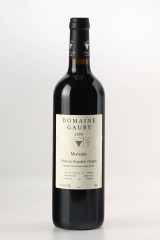
In Roussillon, Domaine Gauby produces terroir-driven wines of great finesse, both dense and easy-drinking. In the Hérault hinterland, Domaine de la Grange des Pères combines power and elegance in a recognised age-worthy style. Old-vine Coteaux du Languedoc and the great wines of Provence complete this southern picture, all made for the cellar.
Ageing potential: the best southern reds of 2009 will keep for ten to fifteen years; decant them generously if you open them young.
The 2009 vintage is ideal for anyone who loves generous, ripe, profound wines: ready to delight today yet promising many fine years in the cellar. Think opulent Bordeaux from both banks, sun-ripened Syrahs from Côte-Rôtie and Hermitage, fleshy Burgundy reds, rounded champagnes and great age-worthy wines from the South. To compare vintages and identify 2009 bottles at their peak, consult the SoDivin Vintage Guide. Every bottle is carefully selected, inspected and stored, then dispatched with care in secure packaging.


