 /
/ 




















Receive our latest arrivals of 1981 Wine by email!
Sign up and be the first to know about new arrivals.

Would you like to create your own composition? Contact us!
 Contact us

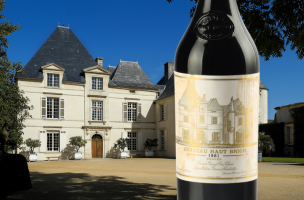
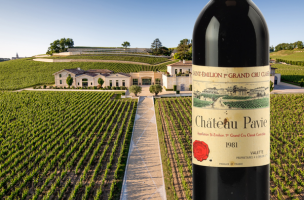
The 1981 vintage saw an ideal summer give way to rain at harvest, diluting what had promised to be a truly great year. What remains is Bordeaux defined by finesse rather than power: elegant, medium-bodied reds with supple structure and a distinctly classic style, now fully mature. The hierarchy is clear for buyers: the classified growths of the Médoc and, even more so, Graves made the finest reds, while the aromatic Sauternes sweet wines, with their shorter ageing potential, are ready to enjoy now. Château Haut-Brion 1981 illustrates the success of Pessac-Léognan, while Château Pavie 1981 offers a velvety expression of the Right Bank. To see how 1981 compares with other years, explore our Vintage Guide.
Read moreFiltrer
Products (24)
Sign up and be the first to know about new arrivals.
The story of the 1981 vintage is one of a truly great year that narrowly missed its potential. After a sunny summer that raised high hopes, rain at harvest diluted the grapes and brought the year back towards a more classic style. The result is a distinctive profile: elegant, medium-bodied wines built on freshness and finesse rather than concentration, the best of which are now drinking at their peak. In Bordeaux, where most of the year's successes are found, quality is real but selective: it rewards great terroirs and careful winemaking, from the Médoc and Graves to the Right Bank.
On the Left Bank, 1981 produced poised reds with noticeable acidity and fine tannins, closer to the classic style than to opulent vintages. Pauillac and Saint-Julien stand out as the year's most consistent appellations, with balanced wines that have aged gracefully. Dilution late in the harvest chiefly affected the less ambitious wines; the best-sited classified growths retained lovely definition. These are wines to savour today, now at the peak of their development.
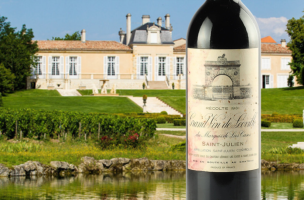
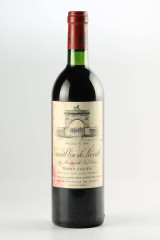
In Saint-Julien, Château Léoville Las Cases 1981 illustrates the appellation's disciplined style, with a tightly knit structure that has stood the test of time. In Pauillac, Château Pontet-Canet 1981 shows mellowed classicism, with cedar and light tobacco notes. In Margaux, Château Lascombes 1981 offers a more fragrant, supple expression of the vintage. Beyond these examples, the Médoc's classified growths confirm that success on the Left Bank in 1981 depended on well-sited terroirs and rigorous selection.
Ageing potential: drink now. The best classified growths are at their peak; favour bottles with good fill levels over further time in the cellar.
It may be south of Bordeaux that 1981 fared best. Graves and Pessac-Léognan often outperformed the Médoc that year, producing reds that are fresh and refined, with the mineral and smoky character typical of these terroirs. The vintage's restrained style is ideally suited to these appellations, where complexity matters more than power. The finest bottles have aged with great elegance and are now drinking at full maturity.
The benchmark south of Bordeaux remains Château Haut-Brion, mentioned above, whose 1981 embodies the estate's characteristic smoky finesse. For a more accessible option, Château Carbonnieux 1981 offers a reliable, easy-drinking introduction to the vintage, with notes of ripe fruit and woodland undergrowth. These wines show that, in 1981, choosing the right appellation mattered as much as the name of the estate.
Ageing potential: drink now. Well-preserved Graves wines are in their prime drinking window; check the fill level of older bottles.
On the Right Bank, Merlot produced supple, fleshy and aromatic wines in 1981, often more immediately appealing than their Médoc counterparts. Saint-Émilion and Pomerol produced wines of moderate ripeness, made to develop sooner, that have now softened beautifully. Here, the vintage favours charm and fine texture over power. The best limestone and clay terroirs preserved a freshness that still supports the wines beautifully.
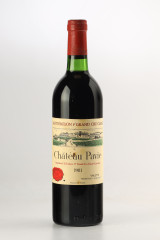
Château Pavie, mentioned above, offers one of the most accomplished expressions of Saint-Émilion in this vintage. Alongside it, Château Angélus 1981 confirms the appellation's consistency in a fragrant, approachable style. In Pomerol, Château L'Évangile 1981 reveals a velvety texture and a truffle-scented finish, typical of mature wines from the plateau. These bottles are ready to enjoy now.
Ageing potential: drink now. The Right Bank wines are mature and supple; open well-stored bottles rather than keeping them in the cellar any longer.
In 1981, the sweet wines of Sauternes tell a more uneven story, but one far from negligible. Botrytis, the ‘noble rot’ that concentrates the grapes and gives Sauternes its luscious sweetness, did not develop under ideal conditions, so the wines lean more towards fruit and aromatic expression than power and very long ageing. Nevertheless, the best châteaux made balanced sweet wines with delicate sweetness and refreshing acidity. These are wines for immediate enjoyment, best appreciated now rather than kept for later.
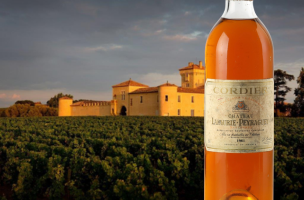
In Sauternes, Château Lafaurie-Peyraguey 1981 is one of the year's finest sweet wines, with notes of candied apricot and honey supported by lovely freshness. Château Filhot 1981 offers a lighter, more elegant expression, true to the estate's airy style. Sought after by lovers of mature sweet wines, these bottles offer an accessible, reliable introduction to the vintage.
Ageing potential: drink now. The 1981 sweet wines are at their aromatic peak; serve well chilled and choose bottles with excellent fill levels.
The northern Rhône Valley also suffered from late-season rain, resulting in a mixed year, less ripe and less structured than the great neighbouring vintages of 1978 and 1983. The northern Syrahs of 1981 tend to be light and quick to develop, and the best examples are now showing tertiary aromas. Cornas, whose terroir generally ripens well even in cooler years, remains one of the appellations most likely to have retained its structure. This is a choice for the curious enthusiast keen to taste the northern Rhône's 1981 vintage.
In Cornas, Domaine Beliando 1981 exemplifies this profile: Syrah ripened just enough, with spiced black fruit and a hint of game. Open a well-preserved bottle now. This is a bottle for the curious collector rather than a wine for long-term ageing.
Ageing potential: drink now. The northern Rhône's 1981 wines have reached maturity; reserve them for knowledgeable enthusiasts and choose only impeccably stored bottles.
Choosing a 1981 wine from SoDivin means access to mature bottles selected for their provenance, fill level and drinking condition. A specialist in older vintages, SoDivin offers a core selection of Médoc classified growths from this year, fine wines from Graves and the Right Bank, and sweet wines from Sauternes chosen for their balance. It is an ideal vintage for anyone seeking mature, classic Bordeaux to open over a fine meal or give as a birth-year gift. To identify the most successful appellations of 1981 and compare vintages, consult our Vintage Guide. Every order comes with same-day dispatch when placed before 2 pm, secure packaging and systematic authentication.