 /
















There are no products here at the moment.
You can use the search bar or the menu to find others, or send us a message.
Back to homepage Write to us
Would you like to create your own composition? Contact us!
 Contact us
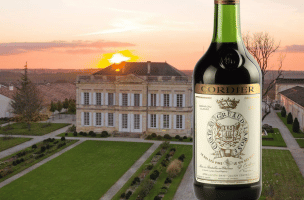
The 1973 vintage is best understood by the colour of the wine. A very abundant harvest followed by late-season rain produced light, supple Bordeaux reds: charming, but best opened without waiting too long, with more convincing results from estates that sorted rigorously. Burgundy followed the same pattern, with diluted reds and far more successful whites. The year’s real triumph lay elsewhere: in Champagne, where almost every house declared the vintage and produced cuvées with remarkable longevity, led by Dom Pérignon. 1973 also marked a milestone in Médoc history: that year, Mouton Rothschild was elevated to Premier Cru Classé status, celebrated with a label designed by Picasso. To explore every region and wine colour in this vintage, browse our Vintage Guide.
You can use the search bar or the menu to find others, or send us a message.
Back to homepage Write to usSign up and be the first to know about new arrivals.
A few GREAT WINES from 1973...
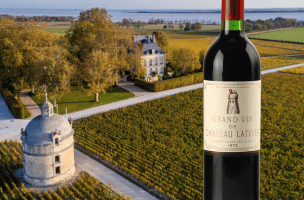
It depends on the wine’s colour and region. In Bordeaux, the abundant harvest and late-season rain produced light, supple reds with already mellowed tannins: enjoyable, but not made for long ageing. The best came from estates that selected their grapes rigorously, in Saint-Julien, Saint-Estèphe, Pomerol and Graves. The year’s great success was Champagne: generous and ripe, with a vintage declared by almost every house. In Burgundy, the whites have held up best. Among the year’s most successful wines, Château Latour remains one of the most reliable choices.
Yes, provided you choose the bottle carefully. Someone born in 1973 turns 53 in 2026: it is not a milestone birthday, but giving a bottle from their birth year remains a powerful gesture. Given the style of the 1973 vintage, two options offer reassurance: a Champagne from that year, made to last, or a well-kept Bordeaux grand cru from one of the best appellations. With wines this old, provenance and fill level make all the difference between a tired bottle and a memorable experience. Our bottles are checked and ready to give.
Look for terroirs that best resisted dilution and estates that maintained high standards. Saint-Julien, Saint-Estèphe, Pomerol and Graves produced the best results, ahead of a more uneven Médoc. Among the year’s Bordeaux classified growths, the best-preserved bottles still offer delicate reds with ripe fruit and tertiary notes. Above all, choose a good fill level and impeccable storage, as a light red is particularly vulnerable to poor storage conditions. These are wines to drink now, for pleasure and the occasion rather than to lay down for years to come.
1973 is a vintage of contrasts, with success depending above all on the region and the colour of the wine. A hot summer had raised hopes, before late-season rain swelled the grapes and left the reds lighter. The outcome is clear: supple, approachable reds in both Bordeaux and Burgundy, driven by fruit rather than structure, while whites and Champagne made much more of the year. For buyers, the priorities are clear: Champagne first, followed by the best carefully selected Bordeaux reds and Burgundy whites; the rest are chiefly of interest as curiosities.
Bordeaux produced one of its most abundant harvests of the decade in 1973, before rain diluted the water-laden grapes. The result was light reds with charming fruit but a fine tannic structure, made for early drinking rather than ageing. There are real differences between estates, however: only those that sorted rigorously produced clean, enjoyable wines. The successes are concentrated in Saint-Julien, Saint-Estèphe, Pomerol and the Graves, where drainage and selection limited dilution.
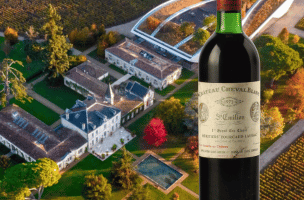
On the Right Bank, Château Cheval Blanc is among the year’s most accomplished wines in Saint-Émilion, while in Pomerol, Château La Conseillante offers supple, fragrant richness. Also in Saint-Émilion, Château Figeac retains its characteristic finesse and length. On the Left Bank, Château Gruaud Larose exemplifies Saint-Julien’s success with a classic, graceful red. Beyond these names, the best-preserved Médoc wines confirm that Bordeaux’s 1973 vintage depended on well-exposed terroirs and careful winemaking.
Ageing potential: these wines are mature and should be opened without delay; check the fill level and provenance before buying, as light reds do not tolerate poor storage well.
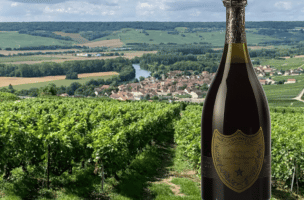
Champagne is where 1973 shines brightest. After a hot, dry summer followed by rain in September, yields were generous but quality was strong enough for almost all the major houses to declare the vintage. The wines combine roundness, balance and a freshness that has given them unusual longevity for the appellation. The finest cuvées, kept on their lees for many years, have developed mature notes of brioche, dried fruit and candied fruit without losing their vibrancy.
Among the wines that represent this great year, Pommery produced a precise, elegant vintage Champagne true to the house’s finely etched style. More broadly, our range of Champagnes from 1973 offers the safest introduction to the vintage: mature, ready-to-drink bottles that suit both a special meal and a memorable gift.
Ageing potential: the best-preserved bottles remain lively and distinguished; insist on impeccable provenance, as old Champagne is sensitive to storage and cork condition.
In Burgundy, the hot summer had encouraged ripening before a very wet end to the season. High yields diluted the reds, leaving them supple but lacking concentration and now in decline. The whites fared considerably better: pleasant, supple and well-defined, they produced some lovely bottles, particularly around Puligny. For buyers, the rule of thumb for this vintage is simple: look first at the colour, then at the producer.
The golden rule for 1973 is to seek out the best winemakers, who alone mastered a difficult year. Whites are the priority, and the most reliable names in Burgundy are the place to look for bottles that still have life in them. The more fragile reds are mainly of interest as curiosities and require impeccably stored bottles.
Ageing potential: drink whites from the best estates while they retain some freshness; reserve the reds for lovers of mature wines, and choose only impeccable bottles.
The Rhône Valley produced a satisfactory vintage, though not an outstanding one. Here too, rain disrupted a season that had started well, producing fairly light, generous wines built on fruit rather than power. There were nevertheless some successes in Côte-Rôtie, Hermitage and Châteauneuf-du-Pape, at estates that managed to preserve depth. These are wines for immediate enjoyment, to open without hesitation.
In the southern valley, the year’s best Châteauneuf-du-Pape wines retain a pleasant, spicy roundness, while the north offers a few delicate Syrahs from the most conscientious winemakers. As elsewhere in 1973, the choice of producer and the bottle’s condition matter more than the appellation’s name.
Ageing potential: drink these wines now for their fruit; little scope for further development, so check the fill level before buying.
Buying a 1973 wine from SoDivin means choosing from mature bottles selected for their provenance, fill level and drinking appeal. In this vintage, where the colour of the wine is key, our selection brings together the year’s great Champagnes, the best carefully selected Bordeaux reds and a few intriguing bottles from Burgundy and the Rhône. Whether you are looking for a ready-to-drink bottle for a special meal or a birth-year wine to give as a gift, our Vintage Guide helps you identify the most successful 1973 appellations. Every order comes with same-day dispatch when placed before 2 pm, secure packaging and systematic authentication.