 /
/ 









There are no products here at the moment.
You can use the search bar or the menu to find others, or send us a message.
Back to homepage Write to us
Would you like to create your own composition? Contact us!
 Contact us

The 2008 vintage owes everything to patience. After a damp spring and an inverted summer — cool in June and August, without excessive heat — a long, sunny late season that set in from the end of August allowed the grapes to ripen slowly through to October. The result is 2008 wines of moderate alcohol, driven by a vibrant acidity and precise aromatic definition, the very opposite of the sunny years. On the right bank of Bordeaux, Château Ausone 2008 produces one of the finest bottles of the year, while in Pessac-Léognan Château Haut-Bailly 2008 embodies this fresh and distinguished elegance. Champagne, for its part, holds here a benchmark vintage. To place 2008 alongside other years and refine your choice, consult the SoDivin Vintage Guide.
Read moreYou can use the search bar or the menu to find others, or send us a message.
Back to homepage Write to usSign up and be the first to know about new arrivals.
Some GREAT WINES FROM 2008 ...
Le vin 2008 se caractérise par une grande droiture. Les vins rouges offrent des structures fines, des tanins élégants et une aromatique progressive, tandis que les vins blancs se distinguent par leur tension, leur pureté et leur longueur. Le style privilégie l’élégance et la complexité à long terme plutôt que l’opulence immédiate.
Pour conserver une bouteille du millésime 2008 dans des conditions optimales, il est essentiel de maintenir une température stable, idéalement autour de 10 à 12 °C, sans variations brusques. L’hygrométrie doit être suffisante pour éviter le dessèchement du bouchon, tout en garantissant une position horizontale de la bouteille afin de maintenir le liège en contact avec le vin. À l’abri de la lumière, des vibrations et des odeurs parasites, les vins 2008, souvent bâtis sur la fraîcheur et l’équilibre, pourront ainsi évoluer lentement et révéler toute leur complexité aromatique au fil des années.
In France, the 2008 vintage is one shaped by weather that ran counter to the sunny years. A damp spring threatened by mildew, a cool summer in both June and August, then a luminous late season that set in from the end of August produced wines of moderate alcohol, tightened by a fine acidity. Growers who waited until mid-October harvested ripe and healthy grapes; others sometimes fell short of full ripeness. It is a vintage of definition and freshness, more classical than powerful, whose finest cuvées are ageing with confidence. In the coolest regions, whites and champagnes moreover frequently outperformed the reds.
In Bordeaux, 2008 initially caused concern: April frost on some merlots, coulure and mildew pressure in spring, then a summer lacking any notable warmth. Salvation came with a long Indian summer from 26 August onwards, which extended ripening until mid-October on the left bank. The cabernet sauvignons of the Médoc, dominant in the blends, reached full ripeness at restrained alcohol levels of around 13 to 13.5%. On the right bank, the merlots from the early-ripening and well-drained terroirs of Pomerol and Saint-Émilion made better use of the year.
On the left bank, Château Léoville Las Cases delivers in 2008 a precise and distinguished Saint-Julien, whose second wine Clos du Marquis extends the style in a more accessible register. In Pauillac, Château Lafite Rothschild produces a first growth of great finesse, while its second wine, the Carruades, seduces with its pure fruit and freshness. In Margaux, Château Brane-Cantenac stands out for its perfume of blackcurrant, tobacco and truffle and its supple, elegant texture. In Sauternes, Château d'Yquem carries the year through to its dry cuvée Y d'Yquem 2008, whose tension and freshness extend the vintage's signature into the dry white wines of Bordeaux.
In Burgundy, 2008 tested the patience of the winemakers: they had to wait until mid-September for a drying northerly wind and the return of sunshine to restore the health of the vines. Sorting was rigorous and yields were among the lowest of the decade, according to the Burgundy inter-professional body. The white wines display remarkable freshness and minerality, particularly in Chablis and on the Côte de Beaune. The reds, with their deep colour and a nose of pleasing floral and fruity clarity, favour tension over power.
In the Côte de Nuits, Domaine Armand Rousseau carries the vintage to its summit with a Chambertin-Clos de Bèze 2008 of remarkable purity and depth, the benchmark wine of the year in Gevrey-Chambertin. In the Côte de Beaune, Bouchard Père et Fils produces a Beaune Grèves Vigne de l'Enfant Jésus 2008 with delicate fruit and a fresh, lingering finish. The whites from Meursault and Puligny, like the terroir Chablis, confirm the ageing potential of the great 2008 Burgundies.
Champagne holds in 2008 one of its greatest recent vintages. A dry and cool end to the season, driven by a northerly wind, preserved a brilliant acidity while allowing the grapes to reach fine ripeness. This rare marriage of tension and concentration places 2008 among the benchmark years for both chardonnay and pinot noir. The vintage-dated cuvées, aged for an extended period on the lees, draw from this a straightness and an energy that promises them a very long life.
Champagne Philipponnat illustrates this success with its Cuvée 1522 2008, broad and creamy yet tightened by the freshness of the year. The great houses that waited before releasing their wines delivered 2008 champagnes of remarkable purity, as convincing as an aperitif as at the table alongside a dish of character.
Already enjoyable, they can still age for ten to twenty years in the case of the greatest cuvées.
In the Rhône Valley, 2008 was a difficult year, marked by rainfall and heavy mildew pressure, with a harvest around a quarter below normal. In the north, heavy rainfall at the start of September caused the syrah to swell before the mistral and the mid-September sun finally concentrated the berries. The resulting wines are fresh and mineral, with softer tannins than usual and fruit that leans towards red rather than black. Success depended far more on the choice of harvest date than on the appellation.
M. Chapoutier ranks among the reliable values of the year in Hermitage, with a Le Pavillon from old vines and a L'Ermite blanc with the saline tension characteristic of the vintage. The most patient domaines of the northern Rhône delivered elegant and digestible wines, with Jean-Louis Chave confirming the consistency of his signature on Hermitage. In the south, several producers chose to downgrade their prestige cuvées, but the finest Châteauneuf-du-Pape wines retain their balance and drinkability.
The coolness of 2008 particularly suited the northern vineyards. In the Loire, sustained acidity produced incisive and saline Sancerre sauvignons, finely chiselled Vouvray chenins and digestible cabernet francs from Chinon and Saumur. In Alsace, the year combined ripeness and nervosity, yielding rieslings and pinot gris of great precision. These are terroir wines, driven by their acidity towards a long life.
In Alsace, Domaine Marcel Deiss expressed in 2008 its vision of co-planting and terroir in wines of remarkable density and freshness. In the Loire, the great dry and off-dry chenins of Vouvray and the sauvignons from the bank rank among the finest wines for cellaring from this vintage, while the sweet wines, more discreet, favour finesse over power.
Dry whites from Alsace and the Loire to be cellared without concern for ten to fifteen years; to be opened today at a fine table.
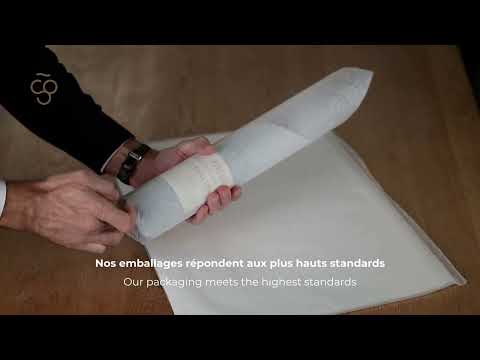
The 2008 wine is the ideal vintage for the enthusiast seeking balance and freshness rather than showmanship: classic and digestible Bordeaux, taut Burgundies, Champagnes built for long ageing and northern whites of fine energy. To compare vintages and identify the 2008 bottles that have reached their peak, consult the SoDivin Vintage Guide. All our bottles are selected, assessed and carefully stored; same-day dispatch before 2 pm, secure packaging and high-definition photographs available for each bottle.


