 /
/ 























Receive our latest arrivals of 1991 Wine by email!
Sign up and be the first to know about new arrivals.

Would you like to create your own composition? Contact us!
 Contact us

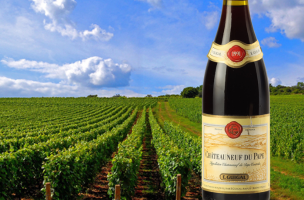
In 1991, two contrasting stories unfolded across France's vineyards. April's frost, one of the century's most severe, cut Bordeaux's harvest, while the northern Rhône, spared its effects, enjoyed a great year. In Côte-Rôtie and Hermitage, the 1991 Syrah wines combine richness, fragrance and freshness, with moderate acidity that makes them approachable: they are the vintage's buying priority. In Bordeaux, success was concentrated in terroirs near the estuary and where the grapes were most rigorously sorted; in Burgundy, the Côte de Nuits harvested before the rain and produced precise reds. Domaine Guigal and Domaine Jean-Louis Chave epitomise the northern Rhône's achievements. To see how 1991 compares with other years and refine your choice, consult the SoDivin Vintage Guide.
Read moreFiltrer
Products (18)
Sign up and be the first to know about new arrivals.
A few GREAT WINES from 1991...
The 1991 vintage was a year of contrasts in France. On the night of 20–21 April, a severe frost — the worst since 1945 — devastated Bordeaux's vineyards and parts of the south, sharply reducing the harvest, particularly on the Right Bank. The northern Rhône escaped the frost and enjoyed a hot, dry summer: it produced a great vintage, its fourth in a row after 1988, 1989 and 1990. Burgundy fared well in the Côte de Nuits, where the grapes ripened before the rains. Elsewhere, the year remained difficult: Sauternes, Champagne and the Loire produced less impressive wines. For buyers, 1991 is therefore a vintage that demands careful selection, with region and producer diligence more important than ever.
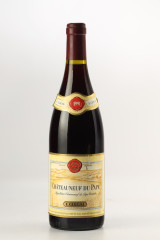
The northern Rhône was the great success of 1991. Spared the frost that struck elsewhere in France, it enjoyed a hot, dry summer, followed by September rains that strong winds quickly dried out. The resulting Syrah wines are rich and fragrant, with a supple structure and vibrant fruit; their moderate acidity made them approachable fairly early. Côte-Rôtie and Hermitage stand out clearly, continuing the run of great northern vintages. The southern Rhône, by contrast, suffered rain during the harvest and produced lighter wines that should be drunk without delay.
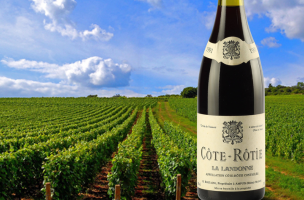
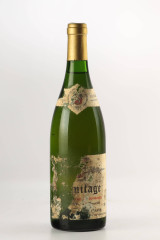
In Côte-Rôtie, the slopes of Ampuis produced the year's finest wines, with deep wines from the appellation's leading estates; Guigal and René Rostaing are among the benchmarks, alongside Chapoutier, Jaboulet and Jasmin. In Hermitage, the hill was likewise spared and produced elegant reds and generous whites; Domaine Jean-Louis Chave once again showed its consistency with a fragrant, taut Hermitage. Cornas completes the picture with concentrated wines true to its granite terroir.
Ageing potential: the great Côte-Rôtie and Hermitage wines are at their peak and will hold for some time yet; check the fill level of older bottles and decant them.
In Bordeaux, 1991 will be remembered as the year of the frost. On the night of 20–21 April, temperatures fell to almost −9 °C, destroying young buds; the harvest was reduced by half to more than two-thirds, depending on the area. The Right Bank, in Pomerol and Saint-Émilion, was hardest hit, as was the Sauternes area. Vines close to the Gironde in the northern Médoc fared better: together with rigorous sorting to counter the rain at the end of harvest, they produced the most balanced wines. Overall, it was a modest year, with only the best growths worth buying today.
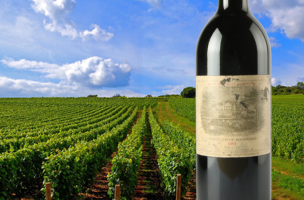
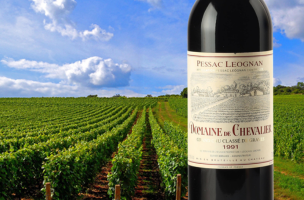
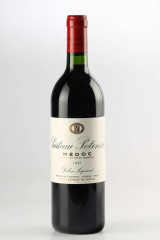
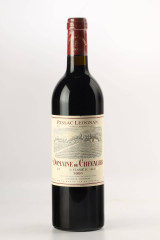
In Pauillac, the growths near the estuary made the most of the vintage; Château Lafite Rothschild offers a fine, distinguished expression in an understated style. In Pessac-Léognan, Domaine de Chevalier produced a fresh, focused red among the year's successes, while its white affirms the estate's aptitude for white wine. In Saint-Julien, Château Gruaud Larose demonstrates the consistency of the area's great growths in a demanding year. Latour, Haut-Brion and Pichon Lalande complete the short list of Bordeaux wines worth seeking out from 1991.
Ageing potential: only well-preserved classified growths from near the estuary are worth considering, and they should be drunk now; other Bordeaux from the year have little to gain from further ageing.
Burgundy had a quiet but successful year for reds, particularly in the Côte de Nuits. The grapes ripened before the autumn rains, and healthy bunches produced precise wines with clear fruit and a strong sense of terroir; the best sometimes rival 1990. The Côte de Beaune, more exposed to frost and hail, proved less consistent. The whites attracted little attention and should now be drunk without delay. The reds of the Côte de Nuits are therefore the priority.
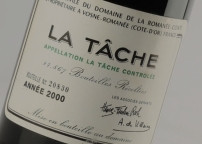
In Gevrey-Chambertin, the hillside climats produced structured, deep reds, with Armand Rousseau among the year's most reliable producers. The terroirs of Vosne-Romanée and Chambolle-Musigny also yielded fine wines for ageing, despite August hail in the latter. Among the whites, Chablis offers the vintage's most precise, mineral expressions; look to the premiers crus.
Ageing potential: great Côte de Nuits reds remain vibrant when the bottles have been well stored; open the whites without delay.
The 1991 vintage rewards the methodical buyer. The northern Rhône — Côte-Rôtie, Hermitage and Cornas — comes first, having produced the year's greatest success; next are the best Côte de Nuits reds and the classified growths from near the Bordeaux estuary, all to be chosen with care. To compare 1991 with other vintages and find bottles at their peak, consult the SoDivin Vintage Guide. Every bottle is selected, assessed and stored with care; orders placed before 2 pm are dispatched the same day, with secure packaging and high-definition photographs of each bottle.