 /
/ 














There are no products here at the moment.
You can use the search bar or the menu to find others, or send us a message.
Back to homepage Write to us
Would you like to create your own composition? Contact us!
 Contact us

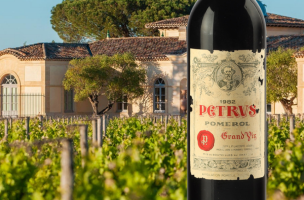
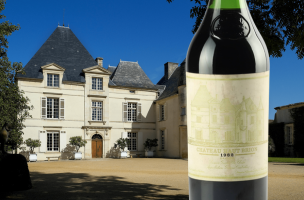
The 1982 vintage is one of the great warm-weather years for French wine. In Bordeaux, a hot summer and perfectly ripe harvest produced rich, fleshy reds with supple tannins, reshaping the very idea of great Bordeaux. It is primarily a year for reds, with success on both banks, from the profound wines of the Médoc to the velvety wines of Pomerol and Saint-Émilion. The sweet wines of Sauternes, hindered by autumn rains, call for greater discernment. Beyond Bordeaux, the northern Rhône Valley and Champagne also produced fine age-worthy cuvées, now mature. The year’s finest wines bear names familiar to enthusiasts, from Château Haut-Brion on the left bank to Petrus on the right. To see how 1982 compares with other great years, consult our Vintage Guide.
Read moreYou can use the search bar or the menu to find others, or send us a message.
Back to homepage Write to usSign up and be the first to know about new arrivals.
A few GREAT WINES from 1982...
Because nature brought together a rare set of conditions that year. A hot, dry summer brought the Cabernet and Merlot grapes to full ripeness, producing deeply coloured, rich and supple wines with ripe tannins. Exceptionally, the vintage was a success across the board, from the humblest estates to the Grands Crus Classés, on both banks. These reds, cellared for many years, have now reached full maturity, making 1982 a vintage that is both legendary and ready to drink. A well-preserved Château Gruaud-Larose illustrates this balance of richness and classicism.
Yes, for two reasons. First, 1982 is a year whose reputation speaks for itself, even to those who know little about wine: giving a great 1982 wine is giving a legend. Second, its best reds are now at their peak and can be enjoyed together without waiting. It is an ideal gift to mark a birth year, a wedding anniversary or another significant date. Every bottle offered in our cellar is checked for authenticity and provenance and carefully stored, so you can give a bottle over forty years old with confidence.
The great red wines of Bordeaux, from both banks, are the first choice: the Left Bank for power and length, the Right Bank for velvety texture and generosity. Beyond Bordeaux, the northern Rhône Valley, with its Côte-Rôtie and Hermitage wines, and vintage Champagnes made for ageing are among the year’s safest choices. Sauternes sweet wines, the southern Rhône and Burgundy were more uneven in this vintage and call for more careful selection. If you are buying one of the year’s Bordeaux Grands Crus Classés, always check the fill level, colour and condition of the label for signs of good storage.
Few vintages have left as great a mark on recent wine history as 1982. Born of a hot summer and a ripe harvest, it gave Bordeaux reds a richness and roundness unusual at the time, permanently changing perceptions of its great wines. But each region experienced the year differently: abundance in Burgundy, brilliance in the northern Rhône, a large and generous harvest in Champagne, and more mixed results elsewhere. Understanding 1982 means choosing carefully, region by region, knowing where the vintage reached its heights and where greater selectivity is needed.
In Bordeaux, 1982 is above all a magnificent year for reds. Summer heat brought the grapes to exceptional ripeness, producing deeply coloured, full and fleshy wines whose ripe tannins have softened over time. The left bank reached great heights: Pauillac, Saint-Julien and Saint-Estèphe produced a succession of complete, profound wines, while the best estates in Graves also excelled. On the right bank, Pomerol and Saint-Émilion offer velvety, enticing wines, among the most supple of the year. The sweet wines of Sauternes, however, suffered from autumn rains that hampered botrytis, the ‘noble rot’ that concentrates great sweet wines: this is a more challenging vintage there, best reserved for reliable producers such as Doisy-Daëne or Coutet.
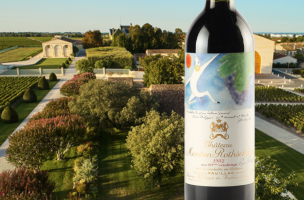
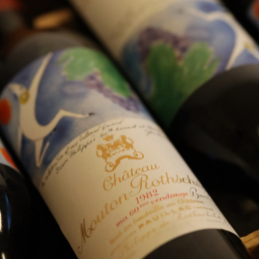
On the left bank, Château Mouton Rothschild made a remarkably dense wine in Pauillac, while its neighbour Château Lynch-Bages embodies the vintage’s fragrant generosity at a more accessible price. The year’s opulent style lifted many Médoc classified growths to heights they had rarely reached before. On the right bank, Château Trotanoy expresses the velvety depth of the great 1982 Pomerols, while Château Clinet offers a concentrated, silky interpretation. After decades of patient cellaring, most of these wines are now at their peak.
Ageing potential: the best reds from both banks are at their peak and ready to drink now, while the grands crus still have some life ahead of them; check fill levels and provenance before buying.
In Burgundy, 1982 was a year of great abundance. Early flowering and a fine summer boosted yields, but at the expense of concentration: the reds are supple, fruity and approachable rather than powerful. Growers who controlled their yields and sorted the harvest made elegant wines with fine texture, though without the substance of the greatest vintages. The ripe, appealing whites proved more consistent than the reds. Overall, this is a vintage for drinking pleasure rather than cellaring, best enjoyed for its fruit.
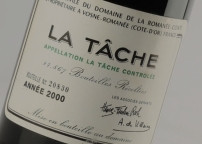
At the very top, Domaine de la Romanée-Conti made grand cru wines that retained their finesse despite the generous character of the year. In Gevrey-Chambertin, Domaine Trapet exemplifies the success of the Côte de Nuits terroirs, which fared better than the Côte de Beaune in this vintage. In 1982 more than ever, the specific vineyard site and the winemaker’s skill make the difference, rather than the appellation alone.
Ageing potential: most 1982 Burgundies should be drunk without delay; limit purchases to grands crus from the most meticulous estates, and favour bottles in impeccable condition.
In the Rhône Valley, 1982 brought a clear divide between north and south. The northern Rhône benefited from well-ripened Syrah: its Côte-Rôties and Hermitages are rich, deep and structured, built to age and often still vibrant today. The south, hit by the same intense heat, produced less consistent wines, sometimes heavy and slightly overripe, that have aged less well. It is therefore in the north that the Rhône’s 1982 vintage shows its greatest promise.
The Guigal estate leads the northern Rhône with Côte-Rôties of outstanding depth and ageing potential, among the year’s finest successes. The best Syrah vineyards on prime sites produced wines that have lost none of their brilliance. In the south, only the most meticulous estates preserved freshness and balance; elsewhere, it is best not to wait to open the wines.
Ageing potential: the great Côte-Rôties and Hermitages of the north are still going strong; in the south, stick to the most reliable estates and drink soon.
Champagne produced one of its finest vintages of the decade in 1982. After several disappointing years, a hot summer and a harvest that was both ripe and abundant yielded rich, generous, full-bodied wines with impressive substance. Notably for the region, this generosity did not come at the expense of quality: the best vintage cuvées have gained depth over time while retaining their freshness and poise. It is a vintage built to age and now fully mature.
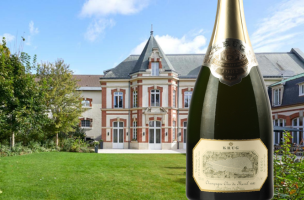
The Krug house demonstrates the vintage’s capacity to age, with remarkably dense cuvées made for long development. Supported by the ripeness of the harvest, the year’s prestige cuvées rank among the most accomplished Champagnes of their era. An ideal vintage for discovering what an age-worthy Champagne can offer after forty years.
Ageing potential: well-sourced 1982 vintage Champagnes are mature and ready to enjoy now; serve chilled and do not wait too long to open cuvées that are already fully developed.
Beyond Bordeaux, 1982 offers wine lovers two appealing avenues to explore. In the Jura, Château-Chalon vin jaune is aged for several years beneath a film of yeast before bottling and is, by its nature, relatively unaffected by the vagaries of any one year. These oxidative wines, with aromas of walnuts, curry and spice, have almost unlimited longevity and offer a distinctive introduction to age-worthy wines. In Piedmont, 1982 was a great year for Barolo and Barbaresco, producing rich, round wines that are more approachable today than the region’s most tannic vintages.
The Château-Chalon is among the most faithful expressions of vin jaune; open it several hours in advance to release its full complexity. In Italy, the great 1982 Barolos appeal for their maturity and roundness without sacrificing their tannic backbone. These two regions offer a welcome change of pace alongside the year’s Bordeaux reds, and their wines are sought-after collectors’ bottles.
Ageing potential: vin jaune can be kept almost indefinitely and enjoyed without haste; the great 1982 Barolos are at their peak and benefit from lengthy decanting.
Choosing a 1982 wine means looking first to Bordeaux’s great reds — powerful on the left bank, velvety on the right — now at their peak after decades of patient cellaring, while also considering northern Rhône Côte-Rôtie, age-worthy Champagnes and intriguing wines from the Jura and Piedmont. Every bottle is assessed by an expert, checked for authenticity and provenance, then stored in optimal conditions before dispatch — on the same day for orders confirmed before 2 pm. To place 1982 among the great vintages and find the right bottle, consult the SoDivin Vintage Guide.