 /














There are no products here at the moment.
You can use the search bar or the menu to find others, or send us a message.
Back to homepage Write to us
Would you like to create your own composition? Contact us!
 Contact us
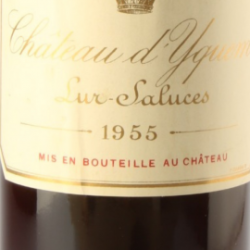
The 1955 vintage is one of the great classics of the 20th century. A hot, dry summer followed by well-timed September rain brought the grapes to full ripeness in almost every region, producing a generous year of rare consistency. Long overshadowed by 1959 and 1961, it is now being rediscovered for its balance and longevity. In Bordeaux, the Right Bank and the Graves produced the finest wines, exemplified by Château La Mission Haut-Brion, often cited as the wine of the vintage, while Sauternes sweet wines reached exceptional heights. This was also the year Saint-Émilion made history with its first official classification, in which Château Cheval Blanc was named Premier Grand Cru Classé A. To see how 1955 compares with other years of its era, consult our Vintage Guide.
You can use the search bar or the menu to find others, or send us a message.
Back to homepage Write to usSign up and be the first to know about new arrivals.
Yes, many wines from 1955, especially those from renowned appellations and producers, and particularly those that have been stored under ideal conditions, are not only still drinkable but can even offer exceptional and memorable tasting experiences.
To fully appreciate a 1955 wine, proper storage is essential. It is also crucial that the wine level is correct to ensure that the wine has not experienced premature oxidation.
In such a well-rounded year, several types of wine have held up remarkably well. The sweet wines of Sauternes and Barsac, benefiting from ideal botrytis (the ‘noble rot’ that concentrates the grapes), are among the most reliable for very long ageing, alongside vintage Champagnes and the finest Bordeaux classified growths. The best Right Bank and Médoc reds are now at their peak, while the drinking window remains open for Burgundy’s finest growths. Before buying any bottle more than sixty years old, check the fill level, colour and condition of the label for signs that it has been stored well.
The 1955 vintage is a benchmark year that produced great wines in many regions.
Its reputation is based on the exceptional quality of the climatic conditions that allowed for the creation of structured and elegant red wines, and sweet wines of rare finesse.
The 1955 vintage holds a special place among post-war years: a balanced classic that succeeded across France’s wine regions. After a hot, dry summer and welcome September rains, the grapes reached full ripeness and yields were generous — a complete contrast to the preceding 1954 vintage. The wines combine structure and harmony rather than sheer power, which explains how remarkably well they have endured. The year is also associated with a milestone in wine history: on 16 June 1955, a century after the 1855 classification had left out the Right Bank, the first official classification of Saint-Émilion wines was published. This combination of great quality and historical significance makes 1955 such a compelling vintage for wine lovers today.
In Bordeaux, 1955 was a great year on both banks and in the Graves. Ripe, healthy grapes produced deep reds with firm but rounded tannins. Over the decades, they have softened and now show fine balance. The Right Bank shines particularly brightly, buoyed by the first Saint-Émilion classification, published that year: Cheval Blanc and Ausone were awarded the highest rank, with Figeac and Pavie among the premiers crus. Their now-tertiary aromas bring together truffle, woodland floor, leather and ripe fruit.
On the Saint-Émilion plateau, Château Ausone embodies the finesse of the Right Bank, while in Pomerol, Pétrus is among the year’s finest wines. In the Médoc, Château Mouton Rothschild produced one of its great 1955s, with exotic spice and blackcurrant notes, while in Saint-Estèphe, Château Cos d’Estournel confirms the vintage’s consistent quality. These bottles are for lovers of old Bordeaux who pay as much attention to each bottle’s condition as to the name of the estate.
Ageing potential: the best, well-preserved wines are at their peak; check the fill level before buying and decant gently.
In the Sauternes area, 1955 was one of the year’s great successes. Autumn morning mists followed by fine sunny days encouraged ideal development of botrytis, the ‘noble rot’ that concentrates the grapes and gives great sweet wines their richness. The wines combine generous sweetness with an acidity that has kept them poised for decades, alongside notes of honey, candied apricot and citrus. Together with the Right Bank, this is where the vintage reached its fullest expression.
The appellation’s ultimate benchmark, Château d’Yquem produced a 1955 sweet wine that some rank among the greatest, with mellow richness and remarkable length. In Barsac, Château Climens offers a lighter, more ethereal counterpart, full of finesse and freshness. Alongside it, other classified growths from the Sauternes area are among the year’s most dependable wines to drink.
Ageing potential: the great sweet wines remain among the vintage’s safest choices; serve them chilled, after checking the fill level.
Burgundy benefited from a fine late season that allowed Pinot Noir and Chardonnay to ripen in good conditions, producing one of the decade’s better vintages. The reds are supple, fragrant and appealing, enjoyable to drink today, though the lighter cuvées can sometimes have a rather short finish. It is the whites, above all, that stand out: unusually ripe for their time, they combine richness and freshness and have often kept beautifully, with Corton-Charlemagne leading the way.
Among the notable names of the year, Domaine Comte Georges de Vogüé in Chambolle-Musigny exemplifies the finesse of the great Côte de Nuits reds, while Domaine Leflaive in Puligny-Montrachet shows why the 1955 whites are held in such high regard by the specialist press. These bottles demand impeccable provenance, but reward wine lovers with an undiminished sense of wonder.
Ageing potential: the drinking window remains open for the great wines, especially the whites; favour the most reliable estates and check the fill level.
In Champagne, 1955 was a declared vintage, born of favourable weather that yielded an abundant, high-quality harvest. The year’s vintage cuvées combine the power of a wine built to age with freshness preserved by fine acidity. Their mature character now reveals aromas of brioche, dried fruit and candied citrus, accompanied by a mousse that has become fine and vinous.
The house of Bollinger is one of the benchmark names of this vintage. Its finest bottles remain sought after by lovers of old Champagne for their rarity and staying power. These are wines to savour as well as collectors’ pieces, provided the bottles have a well-documented history.
Ageing potential: only for perfectly preserved bottles; open for the experience of a mature Champagne, served lightly chilled.
The Rhône Valley produced a solid 1955 vintage, a notch below the heights reached in Bordeaux and Burgundy but reliable and full of character. The granite soils of the north yielded the most convincing wines: Syrah-based Hermitage and Côte-Rôtie offer depth, length and aromas of black fruit, pepper and violet. In the south, Châteauneuf-du-Pape appeals with its ripe roundness and spicy finish.
On the northern slopes, Paul Jaboulet Aîné is among the producers whose 1955 bottles still deserve attention, offering wines that combine density and freshness. These bottles are among the most consistent of the period and can be enjoyed after extended decanting.
Ageing potential: the best wines from the north have stood the test of time; decant for an extended period and check the fill level before serving.
Choosing a 1955 wine means opting for a consistently successful vintage: a great Bordeaux from the Right Bank or the Graves, a mellow Sauternes, a brilliant white Burgundy, a mature Champagne or a distinguished Rhône wine — with the story of the first Saint-Émilion classification as an added attraction. Every bottle in our selection is expertly assessed, checked for authenticity and provenance, then stored in optimal conditions before dispatch. Orders placed before 2 pm are sent the same day, with careful, secure packaging and high-definition photographs. To compare years and refine your choice, consult the SoDivin Vintage Guide.