 /
/ 
















There are no products here at the moment.
You can use the search bar or the menu to find others, or send us a message.
Back to homepage Write to us
Would you like to create your own composition? Contact us!
 Contact us

The 2003 vintage will be remembered as the heatwave year: a hot, dry summer that produced ripe, fleshy and sun-drenched wines, with low acidity and a supple structure. The usual hierarchy was turned upside down. In Bordeaux, it is the clay soils of the northern Médoc, in Pauillac and especially in Saint-Estèphe, that best withstood the drought and produced the most complete reds; the right bank, more uneven, requires careful selection. The sweet wines of Sauternes reach a rare richness, while the Rhône Valley delivers opulent and generous wines, often seductive from today. Among the successes, Château Montrose and Château Cos d'Estournel stand at the summit of their appellation. To place 2003 in relation to other years, rely on our Vintage Guide.
Read moreYou can use the search bar or the menu to find others, or send us a message.
Back to homepage Write to usSign up and be the first to know about new arrivals.
2003 is a solar vintage, marked by the heatwave, excellent at its peak but uneven elsewhere. The finest successes come from the northern Médoc, where clay soils protected the vines from drought: Château Latour and its neighbours in Pauillac and Saint-Estèphe produced rich, deep reds. Elsewhere, quality depends greatly on the terroir and the rigour of the harvest sorting. It is therefore a vintage to choose with discernment, appellation by appellation. When well selected, it offers generous, fleshy and immediately seductive wines.
A 2003 wine is a wonderful idea to mark a birth year, a wedding anniversary or an event connected to that year. Its rich and warming style makes it a convivial bottle, easy to share. For a safe gift, favour the great reds from the northern Médoc or a sweet wine from Sauternes, which age consistently. Remember to check the wine level and the condition of the label before offering a bottle of more than twenty years old.
In 2003, Bordeaux's successes were concentrated in the northern Médoc, in Pauillac and Saint-Estèphe, where the Bordeaux grands crus classés best weathered the heatwave thanks to their cooler clay soils. The Right Bank is more contrasted: Saint-Émilion produced some fine bottles on its deep limestone terroirs, while Pomerol suffered more from the drought. Sauternes, for its part, achieved an exceptional vintage. To choose well, rely first on the appellation and the terroir rather than on the estate name alone.
The summer of 2003 brought exceptional heat and drought to France. The resulting wines are ripe, dense and sun-drenched, with high alcohol and low acidity. This character changes how best to buy: rather than following the usual rankings, look for terroirs that retained freshness and balance. Here is a region-by-region guide to the successes and how to choose.
The heatwave put the vines under stress, but the clay soils of the northern Médoc retained water and allowed the grapes to ripen. It is here, in Pauillac and especially Saint-Estèphe, that the most complete reds are found: deep colour, powerful yet supple body and ripe tannins. The southern Médoc, around Margaux, is more uneven. On the Right Bank, Pomerol was scorched by drought and Pessac-Léognan struggled; Saint-Émilion succeeded selectively on its best limestone terroirs. It is therefore a vintage that divided critics and must be judged terroir by terroir.
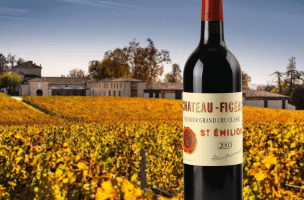
The year’s greatest successes came from the northern Médoc, where Montrose, Cos d’Estournel, Lafite and Latour produced wines built for ageing. On the Right Bank, Château Figeac and Château Ausone produced some of Saint-Émilion’s finest bottles that year. With such a distinctive vintage, careful selection matters most: choosing wines that have retained their freshness is the best way to ensure enjoyment.
In Sauternes, the summer heat first concentrated the grapes, then September rain triggered pure, even botrytis — noble rot, the fungus that concentrates sugars and shapes these sweet wines. The result was a series of sweet wines of rare richness, among the most opulent ever produced in the appellation — a level of concentration not seen since great years such as 1929, according to Decanter. These are full-bodied, intensely sweet wines with aromas of apricot and candied fruit.
The reliable names of Sauternes and Barsac performed particularly well: Yquem, Climens, Suduiraut, Rieussec and Coutet all made the most of ideal harvest conditions. For buyers, this is a benchmark vintage, whether to enjoy now or to add to a cellar for ageing.
A naturally warm region, the Rhône weathered the heatwave well, producing rich, structured wines with an exotic character. In the north, the Hermitage hill produced powerful reds built for very long ageing, while Côte-Rôtie was more uneven. In the south, refreshing rain in mid-August helped: the Châteauneuf-du-Pape wines are generous and opulent, with most now at their peak.
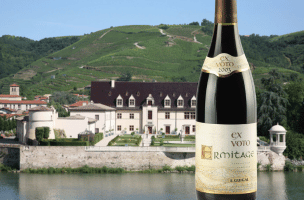
The great Hermitage wines made by Guigal (Ex-Voto) and Chapoutier (L’Ermite) show what the northern valley achieved. In the south, Beaucastel, Rayas and Pégau are among the standout Châteauneuf-du-Pape wines of the vintage. Buyers will find generous, warming wines here: enjoyable young and, in the best cases, capable of ageing for years.
In Burgundy, the heatwave brought a very early harvest, beginning in mid-August, and a reduced crop. The reds are atypical: rich, dense and low in acidity, far from the classic Pinot Noir profile. Their success depended above all on the winemaker’s skill in extracting flavour without making the wine harsh. The whites, often heavy and lacking acidity, are more problematic: only the finest terroirs, such as the best Chablis vineyards, retained their freshness and tension.
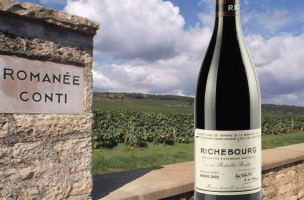
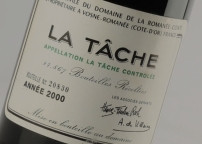
With such an unusual vintage, it is best to seek out the most reliable producers. Domaine de la Romanée-Conti, Mugneret-Gibourg and Dugat-Py managed to make great reds in this sun-drenched year, while the finest whites retained the balance many others lack. In Burgundy more than anywhere else, 2003 rewards choosing the right producer.
The 2003 vintage rewards the discerning buyer: superb at its best but more uneven elsewhere, it calls for a focus on the right terroirs and each region’s drinking window. Every bottle offered by SoDivin is inspected by experts and stored in optimal conditions, so you can enjoy it with confidence. To compare 2003 with other years and refine your choice, browse our Vintage Guide.