 /
















There are no products here at the moment.
You can use the search bar or the menu to find others, or send us a message.
Back to homepage Write to us
Would you like to create your own composition? Contact us!
 Contact us
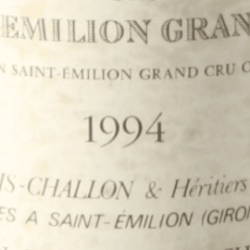
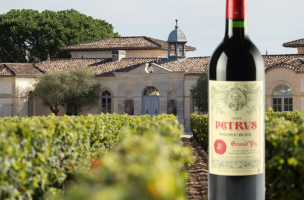
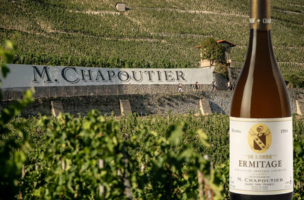
After three difficult vintages, 1994 initially held great promise: a hot, dry summer raised hopes of an outstanding year. Then rain set in over Bordeaux in early September, diluting the Médoc’s later-ripening Cabernets. Estates that had already harvested their Merlots fared best, and Pomerol, picked first, produced the right bank’s most complete wines. The northern Rhône delivered the year’s other success, with impressively dense Hermitage and Côte-Rôtie wines, including the whites. Across the regions, 1994 rewarded careful sorting and meticulous work rather than high yields. Pétrus 1994 and Chapoutier Ermitage De l’Orée Blanc 1994 epitomise these two centres of quality. To see how 1994 compares with neighbouring years, consult our Vintage Guide.
You can use the search bar or the menu to find others, or send us a message.
Back to homepage Write to usSign up and be the first to know about new arrivals.
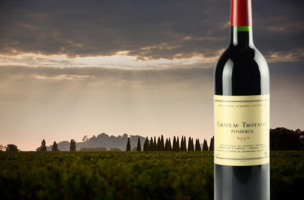
Yes, provided you focus on the right areas. September rain caught the late-ripening Cabernets of the Médoc, which often retain a hint of greenness. Pomerol, meanwhile, harvested its ripe Merlots first and produced the most accomplished wines on the right bank. Pessac-Léognan also stood out for both its reds and dry whites. The best bottles come from estates that sorted their grapes rigorously to avoid dilution; Château Trotanoy exemplifies Pomerol’s success with a dense, complete wine. So 1994 was a genuinely good Bordeaux vintage, but one that calls for careful selection.
For 1994, the rule is to follow the regions that fared best: Pomerol and Pessac-Léognan in Bordeaux, then the Northern Rhône, where Hermitage and Côte-Rôtie — including the whites — lead the field. The Bordeaux classified growths give the clearest picture of the vintage on the Left Bank, provided you focus on the terroirs that held up well. Right Bank reds have entered their prime drinking window, while the best Northern Rhône Syrahs can still be cellared. To compare 1994 with neighbouring years, consult our Vintage Guide.
It's a reliable choice: the best 1994 wines are now mature yet still have structure. A Right Bank Pomerol, a fine Northern Rhône Hermitage or a rare Provence wine each offers a different character to suit the occasion. For a birth-year gift, it's best to choose a recognised appellation and a bottle whose condition has been checked. Every bottle is inspected before dispatch, so you can give an authentic reminder of the year with confidence. Same-day dispatch for orders placed before 2 pm helps you plan for a specific date.
1994 was the year that almost brought a return to great vintages after three difficult harvests. A hot, dry summer had encouraged good ripeness, before rain arrived in early September and changed the picture according to harvest date. In Bordeaux, Pomerol’s early-ripening Merlots came out ahead, while the Médoc’s later-ripening Cabernets had to contend with dilution. In the Rhône, the north clearly outperformed the south and produced the year’s finest wines. Burgundy, hit by the same rain, yielded lighter reds to drink without delay, while Champagne struggled to achieve ripeness. This is therefore a vintage to judge by its terroirs, with the best results concentrated in a few specific areas.
After a promising summer, rain set in during early September and diluted the Cabernets still on the vine in the Médoc, which often retain a slightly green finish in this vintage. Pomerol, harvested first thanks to its early-ripening Merlots, escaped most of the rain and produced the right bank’s most complete wines. Pessac-Léognan maintained its consistency, producing ripe reds and very good dry whites. On the left bank, success varied from estate to estate: those that sorted their grapes rigorously preserved concentration, while the others suffered from dilution.
The year’s leading wines reflect this divide. In Pomerol, Pétrus, Trotanoy, Lafleur and Vieux Château Certan rank among the finest, while Château Certan de May expresses the density of the appellation’s Merlots and Château Nenin offers a more accessible introduction to the right bank. In the Médoc, success is more selective: in Saint-Estèphe, Château Lafon Rochet shows what a classified growth harvested at the right time could achieve that year, with a classic, fresh tannic structure.
Ageing potential: right-bank and Pessac-Léognan wines are in a fine drinking window and can be opened now; for Médoc wines, check the fill level and favour crus that sorted their grapes rigorously.
It is in the northern Rhône that 1994 truly comes into its own. Spared the rainy spell that troubled Bordeaux at the same time, the north brought its Syrahs to good ripeness and produced dense, spicy Hermitage and Côte-Rôtie wines with a firm structure. The year’s whites are a revelation here: the great white Hermitages, led by Marsanne, rank among the vintage’s finest wines. The more uneven south suffered more from the rain, although the best Châteauneuf-du-Pape wines remain full and generous.
The Jean-Louis Chave estate produces a white Hermitage of rare depth, a benchmark for the appellation in this vintage, while Domaine Jamet captures the finesse and tension of the north’s great Syrahs in its Côte-Rôtie. At Chapoutier, the white Ermitage De l’Orée and the Châteauneuf-du-Pape Barbe Rac extend this success from the north’s granite slopes to the south’s rounded stones; Guigal’s Côte-Rôtie completes the picture of the year’s reliable choices.
Ageing potential: the great northern whites and best Syrahs can still age; open southern Châteauneuf-du-Pape without too much delay.
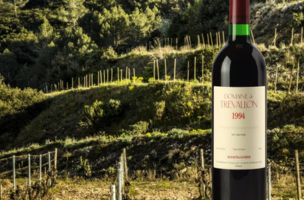
Provence contributes one of 1994’s most sought-after curiosities. At the foot of the Alpilles, Domaine de Trévallon makes a red with equal parts Cabernet Sauvignon and Syrah, an unusual blend that placed it outside the appellation and earned it cult status. In this vintage, it offers ripe, spicy yet fresh fruit and, as is often the case at this estate, is built to age. It is an accessible, reliable choice for anyone looking beyond Bordeaux without giving up the structure of a great age-worthy wine.
Ageing potential: a wine still youthful for its age; decant it, or keep well-stored bottles for a few more years.
Champagne’s 1994 season ended under difficult conditions, with grapes struggling to ripen and most houses choosing not to declare a vintage. The year therefore remains a quiet one, represented by a few carefully made prestige cuvées from the best plots. They are now fully mature, showing a vinous character rather than tautness.
The Perrier-Jouët Belle Epoque cuvée is among these exceptional bottles: save it for a special occasion, but do not wait to open it.
Ageing potential: prestige cuvées are mature; serve now if the bottles have been impeccably stored.
Choosing a 1994 wine means focusing first on Pomerol and Pessac-Léognan in Bordeaux, then on the great wines of the northern Rhône — Hermitage and Côte-Rôtie, including the whites — now in a fine drinking window, without overlooking Provence’s distinctive Trévallon. For a vintage more than thirty years old, bottle condition matters as much as the label: check the fill level, colour and cork before buying. Every bottle is assessed by experts, checked and stored in optimal conditions, then dispatched the same day for orders placed before 2 pm. To compare 1994 with neighbouring vintages and find the right bottle, consult the SoDivin Vintage Guide.