 /
/ 












Receive our latest arrivals of 1957 Wine by email!
Sign up and be the first to know about new arrivals.

Would you like to create your own composition? Contact us!
 Contact us

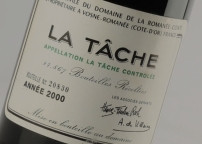
The 1957 vintage is one of renaissance: following the historic frost of February 1956, the French vineyards suffered another severe blow with the April 1957 frosts and a mixed summer. Yields remained very low, but the finest terroirs produced wines of remarkable finesse: straightforwardness, freshness, aromatic elegance. In Bordeaux, Château Haut-Brion 1957, alongside a rare bottle of Domaine de la Romanée-Conti La Tâche 1957. A classic vintage, more moving than powerful, ideal for lovers of old wines built for ageing; consult our Vintage Guide to place 1957 among the years of its era.
Read moreFiltrer
Products (4)
Sign up and be the first to know about new arrivals.
The 1957 vintage was marked by a cool and late year, a direct consequence of the historic frost of 1956. The spring, cold and dry, delayed vegetation, whilst the moderate and changeable summer allowed for slow and balanced ripening of the grapes. The late harvests, often wet in Bordeaux and Burgundy, produced fine, light and highly aromatic 1957 wines. In the Rhône, the drier climate produced more structured wines, whilst the Sauternes 1957 benefited from beautiful purity and moderate botrytis.
In summary, 1957 was a vintage of elegance and freshness, favouring finesse over power, with a remarkable balance between acidity and maturity.
Buying a 1957 wine means owning a fragment of history. This vintage marks the rebirth of the vine after the 1956 frost and illustrates the expertise of the winemakers of the time. These wines, now rare, are sought after for their authenticity, freshness and finesse, perfect for celebrating a 1957 anniversary or enriching a collector's cellar. At SoDivin, each bottle of 1957 wine benefits from rigorous traceability and optimal storage.
In summary, 1957 was a vintage of elegance and freshness, favouring finesse over power, with a remarkable balance between acidity and maturity.
Sweet wines and certain highly structured wines are generally those that age best over long periods. Great naturally sweet wines or certain sweet wines from renowned terroirs often possess remarkable longevity, allowing them to sometimes cross several decades with elegance.
The 1957 vintage belongs to those pivotal years in which climate reshuffles the usual hierarchy of regions. The second consecutive cold blow after the catastrophe of 1956, it suffered a severe spring frost, a dreary summer and a burst of heat in October. The harvest, late and meagre, produced tense wines everywhere, marked by high acidity. This signature penalised the lightest reds but ensured the longevity of the most complete wines. Tasted today, 1957 rewards patience: its finest bottles have gained in complexity what they never promised in power.
In Bordeaux, 1957 remains a difficult year for the reds. The cold and humidity of the summer, combined with the replanting that followed the 1956 frost, produced low yields and wines of modest structure, with lively acidity and sometimes austere substance. The Graves and the finest terroirs of the Médoc fared best, with fine reds showing notes of blond tobacco, acidic red fruits and undergrowth. The sweet wines, however, fared considerably better: botrytis, this "noble rot" that concentrates the sugars, progressed sufficiently to produce balanced Sauternes of fine freshness.
Among the most reliable names of the vintage, Château La Mission Haut-Brion and Château Lafite Rothschild illustrate the success of the great growths in a tense year, while Latour and Haut-Brion confirm the consistency of the left bank in difficult years. On the sweet wine side, Château d'Yquem and the finest growths of the Sauternais produced wines of delicate texture, with aromas of honey, candied citrus and dried fruit, sustained by an acidity that still preserves them.
In Burgundy, the cool year succeeded better than in Bordeaux. Pinot noir, a variety at ease in cool climates, found a structuring acidity there that produced straight reds, with a pale colour and an expressive nose of morello cherry, blackberry and spices. The palate is taut and salivating, made for the table and for ageing rather than for power. The whites rank among the successes of the vintage: Meursault, Puligny and Chablis display a crystalline vivacity, aromas of fresh hazelnut, citrus and wet stone, with a tension that has aged very well.
The great terroirs of the Côte de Nuits dominate the hierarchy of the year. Domaine Armand Rousseau in Gevrey-Chambertin and Domaine Leflaive in Puligny-Montrachet rank among the houses for which a bottle of this vintage deserves the attention of collectors, alongside the greatest names of the Côte. These are wines of finesse and precision, whose finest examples retain a remarkable freshness nearly seven decades later.
The Rhône Valley is undoubtedly the most favoured region of 1957. Its drier, windier climate allowed slow, complete ripening, where northern France struggled to ripen. The wines are more structured than elsewhere, endowed with firm tannins and a longevity that places them among the most reliable of the era. In the north, the syrahs from granite hillsides offer aromas of black fruit, leather and black olive; in the south, the wines play on roundness and a peppery finish. This is the vintage where the Rhône gains the upper hand over more prestigious regions.
The Hermitage of Domaine Jean-Louis Chave, from the hillsides of Tain, embodies this northern success: density, freshness and great ageing potential. The finest Côte-Rôtie and the most complete Châteauneuf-du-Pape share this longevity, with certain bottles continuing to impress with their balance. In a contrasted decade, the Rhône 1957 offers one of the surest combinations of tasting pleasure and reliability at opening.
In Champagne, 1957 is a small year. The spring frost hit the vineyards hard and reduced the harvest to among the lowest volumes of the post-war period. Few houses produced a vintage cuvée that year, which makes these bottles rare today. The rare bottles show a lively acidity and a bubble that has become discreet, with an evolved profile of dried fruit, honey, toasted bread and brioche.
These vintage Champagnes are above all collector's pieces, to be reserved for lovers of very old bottles and for bottles with an irreproachable storage history. A house such as Krug, renowned for the longevity of its wines, is one of the rare names for which a 1957 may still hold pleasant surprises.
Choosing a 1957 wine means betting on finesse rather than power, and rediscovering a year in which the Rhône, Burgundy and the sweet wines of the Sauternais took precedence over the red wines of Bordeaux. It is also a fragment of history: the testimony of a vineyard that, two years after the catastrophe of 1956, was learning to cope with adversity. To place 1957 among the great and lesser years of its era, rely on the SoDivin Vintage Guide.


