 /


















Receive our latest arrivals of Wine 1954 by email!
Sign up and be the first to know about new arrivals.

Would you like to create your own composition? Contact us!
 Contact us
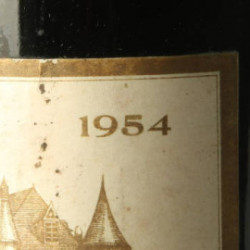
The 1954 vintage bears the mark of a cold, very wet summer: in Bordeaux, harvesting did not begin until 10 October, with underripe grapes yielding diluted, light reds. It is a modest vintage in which the appellation and careful storage matter far more than the year itself. The buying priorities are clear: seek out impeccably stored Médoc first growths and a carefully selected Burgundy grand cru; the rest is of interest mainly as a curiosity. The bottles that have stood the test of time come from the finest terroirs, such as Château Latour and Château Lafite Rothschild, two Pauillac wines whose structure has held up better than average. To place 1954 alongside neighbouring years and compare regions, SoDivin’s Vintage Guide offers a reliable reference before choosing.
Filtrer
Products (4)
Sign up and be the first to know about new arrivals.
No, 1954 is not a great vintage. A cold summer and a rainy autumn produced diluted red wines in Bordeaux, while Burgundy, though slightly better off, produced only modest wines. Interest therefore centres on a handful of bottles: wines from great terroirs, better equipped to withstand a difficult year, and bottles that have been impeccably stored. A wine such as Château Cheval Blanc, on the Right Bank, illustrates the rarer successes that reward careful selection.
For 1954, the choice narrows to the Bordeaux classified growths, the only wines with the substance and consistency lacking in the vintage. In the Médoc, the first growths of Pauillac and Margaux remain the safest bets, while the Right Bank, in Pomerol and Saint-Émilion, sometimes made better use of the year. To compare these appellations vintage by vintage and see how 1954 stands beside 1953 or 1955, the Vintage Guide remains the most practical tool. Before buying any old wine, check the fill level and the condition of the cork.
Giving someone a wine from their birth year remains a meaningful gesture, even when the vintage is unremarkable: the bottle bears the year, and that is what you are celebrating. For 1954, it is better to choose a bottle from a great terroir with reliable provenance than to seek a power the vintage never had. A Médoc first growth in a magnum, a format that ages more slowly, is a sound choice to mark the occasion. The key is to focus on the producer and how the wine has been stored, as these are what give a bottle of this age its value.
The 1954 vintage belongs to the run of difficult post-war years. A late spring, cold summer and wet autumn delayed ripening and diluted the grapes, so the year must be judged appellation by appellation, bottle by bottle. Today, 1954 is more a vintage for collectors and birth-year gifts than for drinking: it is bought for the estate’s name and the emotional significance of the date, and only if it has been impeccably stored. The sections below explain, region by region, where the rare successes lie and what to check before buying.
In Bordeaux, 1954 remains a modest vintage. The cold summer held back ripening, and September rain swelled grapes that lacked concentration; harvesting did not begin until 10 October. The resulting reds are pale and supple, and most should have been drunk long ago. The gap between an ordinary estate and an outstanding terroir is therefore wider than in a good year: only the most dependable sites produced wines that are still holding up. The most reliable bottles are found among the Médoc’s first growths, particularly in Pauillac.
Among them, Château Margaux and the leading Pauillac wines produced the best-structured bottles, capable of lasting several decades when properly stored. On the Right Bank, the year was sometimes a little kinder: Pomerol and Saint-Émilion had a few successes, including a Cheval Blanc harvested as early as 5 October. The sweet wines of Sauternes, hampered by a small crop of uneven quality, are best left to experienced enthusiasts. The rule remains simple: aim for the very top of the hierarchy, check provenance and fill level, and regard these wines as collector’s pieces.
Ageing potential: most 1954 reds are in decline; only well-preserved Médoc first growths retain interest. Open them fairly soon or give them as birth-year bottles. Check the fill level and condition of the cork.
Burgundy weathered the year better than Bordeaux, though it did not produce a great vintage. The same cool, wet summer yielded rather thin Pinot Noirs and a generous crop by volume. The whites lack richness and the reds depth, but the best Côte de Nuits vineyards retained freshness and clear fruit. As in Bordeaux, the year rewarded terroir and skill more than nature’s generosity. The focus should therefore be on grands crus and estates whose exacting standards made the difference.
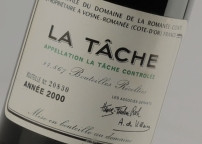
At the top end, Domaine de la Romanée-Conti produced its Vosne-Romanée cuvées in 1954 — Romanée-Conti, Richebourg and La Tâche — which remain rarities prized by collectors more for their origin than for the strength of the vintage. In Morey-Saint-Denis, the Clos de Tart made by Mommessin shows what the year could achieve at its best in a grand cru: a fine, mature wine to open for a special occasion. Elsewhere, caution is needed, as many bottles have declined. Once again, provenance and storage make all the difference.
Ageing potential: this vintage should now be drunk; reserve well-preserved Côte de Nuits grands crus for drinking soon. Favour bottles with a documented storage history.
In the Rhône Valley, 1954 was an uneven vintage. The northern Rhône, better drained and accustomed to cool summers, produced Syrahs more respectable than the year’s average, while the more varied South often yielded diluted wines. As elsewhere in 1954, success depended more on the producer and careful winemaking than on the vintage itself. Enthusiasts should look to the North first.
The hillside terroirs of Hermitage and Côte-Rôtie, on their granite slopes, produce the most structured wines with the best potential to last. Bottles still showing life are rare collector’s curiosities: they are chosen for their historical interest, with the year’s inherent inconsistency accepted. Here more than anywhere, storage condition matters more than the name on the label.
Ageing potential: best left to the curious and to collectors; favour the northern Rhône and check the fill level carefully before buying.
In Champagne, the great houses did not declare 1954 as a vintage. The plentiful harvest yielded grapes of average weight, most of which went into non-vintage blends. There is therefore virtually no vintage 1954 Champagne to seek out, unlike declared years such as 1952 or 1955. Anyone looking for a bottle of fizz tied to a birth year should bear this in mind before starting their search.
Anyone set on a 1954 bottle should look for the very rare, little-known cuvées and regard them as collector’s pieces rather than Champagnes to drink. For a celebratory gift, it is often wiser to choose a great house from a year officially declared as a vintage, even if that means moving a few years away from 1954. The world of age-worthy Champagnes is worth exploring in any case, to understand what sets an exceptional vintage apart.
Ageing potential: 1954 was not declared as a Champagne vintage; for an exceptional bottle, choose an officially declared vintage and check its freshness before buying.
1954 can be summed up in one sentence: a modest vintage bought for the estate and the date, not for its power. The right approach is to aim for the very best of each appellation, insist on clear provenance and impeccable storage, and regard these wines as witnesses to an era. To compare 1954 with neighbouring years and identify, year by year, the vintages genuinely suited to ageing, SoDivin’s Vintage Guide remains the best starting point before buying.