 /














Receive our latest arrivals of 1943 Wine by email!
Sign up and be the first to know about new arrivals.

Would you like to create your own composition? Contact us!
 Contact us
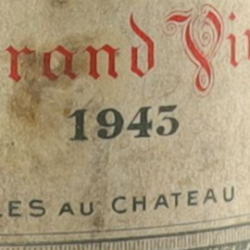
Born under the Occupation, 1943 was a bright exception among the war years. Early flowering and a hot, dry summer ripened healthy grapes, despite yields reduced by powdery mildew in the absence of copper treatments. The vintage shines first and foremost through its reds: rich, fruity and built to age in Bordeaux and Burgundy alike, while Champagne produced one of its finest vintages of the decade. The fine, clean sweet wines of Sauternes round out the year without being its greatest achievement. In the Médoc, Château Mouton Rothschild ranks among Pauillac’s successes, while Château Margaux produced, by the estate’s own account, its greatest wine since 1934. To see where 1943 stands among the vintages of its century, consult our Vintage Guide.
Filtrer
Products (2)
Sign up and be the first to know about new arrivals.
Because nature was generous when the times were not. Early flowering followed by a hot, dry summer produced healthy, fully ripe grapes, although powdery mildew limited yields because copper needed for treatments was scarce under the Occupation. Harvested and matured by the women, older people and young people who remained at home, the resulting wines were rich and firmly structured. In Bordeaux, the great reds of the left bank and Libourne area rival the best pre-war years; the vintage was just as successful in Burgundy and Champagne. In Pessac-Léognan, Château Haut-Brion exemplifies this success in both its red and dry white wines.
Yes, from the best terroirs and provided it has been carefully stored. The year’s richness and structure gave its great wines genuine longevity: the finest from the Médoc, Pessac-Léognan and Côte de Nuits remain suitable for drinking, with tertiary aromas of woodland, leather and dried fruit. As with any very old vintage, the fill level and provenance matter more than the name, and variation between bottles is normal. The best of the Bordeaux classified growths, if perfectly stored, remain the most reliable choices.
Yes, for two reasons. First, its rarity: more than eighty years after the harvest, few bottles from 1943 remain, making each one a distinctive way to mark a birth year or wedding anniversary. Second, its staying power: the great reds of Bordeaux and Burgundy retain real vibrancy, while the sweet wines of Sauternes age consistently well. A wine made that year also carries a sense of history that a recent vintage never could. We always prioritise the most reliable fill levels and provenance, helping ensure a tasting worthy of the occasion.
Few wartime vintages are sought after as much for their wine as for their history. 1943 is one of them. While vineyards were short of labour and copper treatments, an early, sunny season produced healthy, beautifully ripe grapes, albeit in smaller quantities. Its strength lies chiefly in its full-bodied, age-worthy reds, from Bordeaux to Burgundy, complemented by benchmark Champagne and generous wines from the northern Rhône. Fine, approachable sweet wines complete the picture. Here is what to look for, and what to check, region by region.
In Bordeaux, 1943 was the most accomplished vintage of the Occupation. Early flowering and a hot, dry summer brought ripe, healthy grapes to harvest; without treatments, powdery mildew mainly reduced yields. The resulting reds were rich, fruity and well structured, with the substance needed to age well. The Left Bank excelled in Pauillac, Margaux and Pessac-Léognan, while the Libournais, around Saint-Émilion and Pomerol, produced some of the finest bottles of the year. Nearly eighty years later, the best are at full maturity, with softened tannins and notes of cedar, tobacco and woodland floor.
In the Médoc, Château Latour embodies Pauillac’s pedigree in this vintage, while Château Pichon Longueville Baron confirms the appellation’s fruit-driven vigour. On the Right Bank, Château Cheval Blanc is a shining example of Saint-Émilion’s success, alongside Château Figeac, whose gravel soils lend finesse and length. These grands crus are among the most reliable examples of a vintage long overshadowed by the war, then by the legendary nearby vintages of 1945, 1947 and 1949.
Ageing potential: the best Pauillac, Margaux, Pessac and Saint-Émilion wines are at their peak; check the fill level and provenance, and decant with care.
The sweet wines of 1943 owe their character to noble rot, the botrytis that concentrates the grapes and gives Sauternes and Barsac their luscious sweetness. Despite late hail in Sauternes, the harvest yielded powerful, distinctive wines that were fine and well balanced. They are not the year’s crowning achievement — that belongs to the reds — but they are a reliable style and, today, one of the most accessible ways into the vintage. Sweet wines from Sainte-Croix-du-Mont, on the right bank of the Garonne, offer a more immediately approachable expression of the same character.
The Sauternes appellation offers the most reliable choices here, led by Yquem, often cited among the finest bottles of the period, followed by the powerful, still vibrant wines of Suduiraut and Climens. In Barsac, the year’s great sweet wines retain surprising freshness and a clean, luscious character, making them an excellent way to discover 1943 without waiting for a special occasion.
Ageing potential: fully mature sweet wines that remain vibrant; open for pleasure after checking the fill level and colour.
Burgundy’s 1943 was its finest wartime vintage. Ideal conditions alternated sunshine with rain at just the right times, bringing the Pinot Noir grapes to full ripeness. The resulting Côte de Nuits reds had body, depth and remarkable ageing potential; many remain delicious and surprisingly lively today. The whites, with less staying power, have not weathered the decades as well and are now chiefly curiosities.
In a year like this, the greatest estates stand apart. Domaine de la Romanée-Conti produced Richebourg, Échezeaux and Romanée-Conti in 1943 that rank among the Côte d'Or’s finest, with an aristocratic poise. The age-worthy cuvées of Bouchard Père et Fils, a house with a long history of Côte grands crus, extend that success for lovers of Pinot Noir mellowed by time.
Ageing potential: limited to Côte de Nuits grands crus with impeccable provenance; the whites are best regarded as curiosities.
In Champagne, cool weather and showers complicated flowering, but the vintage was ultimately of very high quality. The 1943 wines are concentrated, with firm acidity and a structure built for long ageing: alongside 1945 and 1949, it ranks among the decade’s finest Champagne vintages. Few houses declared it, making the rare vintage cuvées all the more prized by enthusiasts.
The Veuve Clicquot house is among the benchmark names of the vintage, alongside Pommery and Lanson. These mature bottles combine candied citrus, dried fruit, honey and toast, with bubbles that have softened but are still present. At this age, only bottles with fully documented provenance are worth opening.
Ageing potential: primarily collectors’ bottles; open only those with an impeccable history.
In the Rhône Valley, the harvest was excellent in the north. The granite slopes of Hermitage, Côte-Rôtie and Cornas yielded powerful, generous Syrahs: true wines for ageing that can still give great pleasure. The vintage was more consistent here than in neighbouring Bordeaux, and the best bottles retain a distinctive spicy vitality.
The Chapoutier house, long established in Tain-l'Hermitage, embodies the northern Rhône’s tradition of wines made to age. The rare bottles of Syrah from this year still in circulation are for lovers of mature wines, with stewed black fruit, leather and spice notes that prolonged decanting helps bring out.
Ageing potential: the best-provenance bottles can still offer real pleasure; prolonged decanting is recommended.
Choosing a 1943 wine means choosing a vintage in which nature defied the times: a year of full-bodied, age-worthy reds in Bordeaux and Burgundy, supported by benchmark Champagne and a generous northern Rhône, with fine, approachable sweet wines alongside them. It also makes a rare and meaningful birth-year gift. Our cellar highlights sweet wines from Sauternes and the right bank of the Garonne as readily enjoyable introductions to the vintage, alongside listings for the year’s emblematic great reds. Each bottle is assessed and checked — fill level, label and provenance — before dispatch. To compare vintages and refine your choice, consult the SoDivin Vintage Guide. Same-day dispatch for orders placed before 2 pm, careful, secure packaging and high-definition photographs.