 /
/ 













Receive our latest arrivals of 1938 Wine by email!
Sign up and be the first to know about new arrivals.

Would you like to create your own composition? Contact us!
 Contact us

The 1938 vintage is the last harvest brought in during peacetime, one year before mobilisation. In Bordeaux, the grapes lacked sunshine and late September rains forced estates to sort tirelessly to eliminate rot: the harvest was average, correct but without distinction. The reds, supple and fragile, were for the most part drunk during the war, so the bottles that survive the decades today are primarily profiles built to last — concentrated sweet whites, fortified wines and spirits. Château d'Yquem 1938 remains the most moving testament to the Sauternes of the year, while Château Latour 1938 embodies the constancy of the Médoc in delicate vintages. To place 1938 among the years of its century, consult our Vintage Guide.
Read moreFiltrer
Products (2)
Sign up and be the first to know about new arrivals.
A few GREAT WINES FROM 1938 ...
The 1938 vintage is considered a decent year, with variable results depending on the region. In several French wine regions, climatic conditions allowed for the production of well-balanced wines, sometimes light in their youth but capable of evolving with finesse over the decades.
Yes, some bottles from 1938 can still be enjoyed today, provided they have been stored in good conditions. The best-structured wines from the outset, particularly those from great estates or regions renowned for their ageing potential, can still offer an interesting tasting experience, marked by tertiary aromas and a delicate texture.
In general, it is best to avoid prolonged decanting for such an old wine. A gentle opening and a brief aeration in the glass is often sufficient, as these wines are fragile and can quickly lose their aromas after opening.
The 1938 vintage closes a contrasted decade just before the war disrupted the French wine industry. The year does not have the stature of its great neighbouring vintages: a grey summer and late-season rains produced wines of average character, often drunk young during the years of Occupation. What makes 1938 appealing today has less to do with its intrinsic quality than with its rarity and the natural selection operated by time — only bottles designed to last have survived. This is why the page reads region by region, from the Médoc to the fortified wines of the South-West, distinguishing in each case what still merits opening from what belongs purely to the realm of collecting.
The Bordeaux harvest began around 13 September with a crop of average size and quality. The lack of sunshine delayed ripeness, and late September rains forced estates to work hard to avoid rot, sorting out affected grapes. The left bank reds emerged firm but lacking concentration, supported by an acidity that ensured the longevity of the most rigorous; many, however, were consumed during the war. The sweet whites of Sauternes, harvested at the end of September, fared better than the reds without reaching the brilliance of the great neighbouring 1937.
On the best-drained gravelly terroirs, Château Lafite Rothschild and Château Haut-Brion rank, alongside Latour and Margaux, among the rare names whose well-preserved 1938 still merits attention. In sweet whites, Yquem remains the reference of the year, supported at Barsac by Château Coutet, whose taut style suited this cool vintage. The lesson of 1938 in Bordeaux can be summed up in one word: the producer's selection makes all the difference, and each surviving bottle is a case unto itself.
Burgundy experienced a hostile spring, marked by frost and hail, before a sunny late season partially made up for the cycle. The Pinot Noirs ripened slowly and the harvest stretched into early October, with grapes that took time to reach their optimum. The moderate yields produced reds built on tension and delicacy rather than substance, of a quality judged correct but without brilliance. The whites, also honest, lacked the same extra spark.
In such a context, only the greatest terroirs produced wines capable of spanning the decades. The Domaine de la Romanée-Conti and Domaine Armand Rousseau, whose estate bottlings from this era stand as landmarks, rank among the rarest 1938 Burgundies worthy of attention for the enthusiast. These bottles can be counted on the fingers of one hand and are appreciated more for their aromatic evolution — undergrowth, dried fruits, gentle spices — than for their power.
The Rhône Valley is among the most penalised regions of 1938, ranked as a weak year. The north, cooler, yielded strict and sometimes lean Syrahs, while the south, better sunlit, brought its Grenaches to a more convincing ripeness without reaching the generosity of the great solar vintages. Consistency was not the order of the day, and bottles built for ageing remain the exception. The finest examples owe their survival to a firm structure and careful storage.
In Châteauneuf-du-Pape, one name dominates the memory of these years: Château Rayas. In the Northern Rhône, Côte-Rôtie and Hermitage produced a few solid cuvées, but their presence today is more a matter of discovery than regular availability.
In Champagne, at Louis Roederer notably, 1938 was above all a year of high yields, disrupted by coulure and millerandage at flowering. Few houses claimed a vintage that year: the bulk of the grapes went into non-vintage blends. The vintage-dated 1938 cuvées that survive display a highly evolved profile sought after by lovers of old Champagne when the bubble has retained its finesse.
This is where 1938 takes on its full meaning for today's enthusiast. Where the still wines of the year run out of steam, spirits and fortified wines are built to defy time: the sugar richness of Port and the strength of old Armagnac act as natural preservatives, capable of carrying a vintage well beyond eighty years. It is precisely these profiles that survive in good condition for the year 1938, and that make them the finest choice for a birth year gift.
The old Armagnac Gelas 1938, a Gascon house of long ageing, illustrates this longevity of South-West spirits; on the Portuguese side, a Reserva de Porto from the same year extends the demonstration.
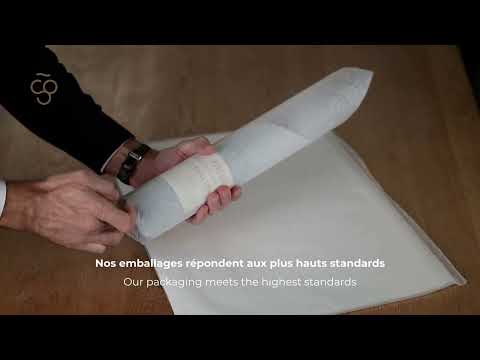
Choosing a 1938 wine means accepting the rule of old vintages: quality depends less on the reputation of the year than on the terroir of origin and the conditions of storage. Bottles from this harvest appear only as and when we acquire cellars; create an alert on this page to be notified of each new arrival, and place 1938 among the years of its century with the SoDivin Vintage Guide. Each bottle offered is expertised and checked — level, label, provenance — then dispatched the same day before 2pm in secure packaging, supported by high-definition photographs.


